


COLLECTABLE STORIES: WHY DID YOU COME BACK EVERY SUMMER

WHY DID YOU COME BACK EVERY SUMMER
Short Talk with Juli Suàrez (director)
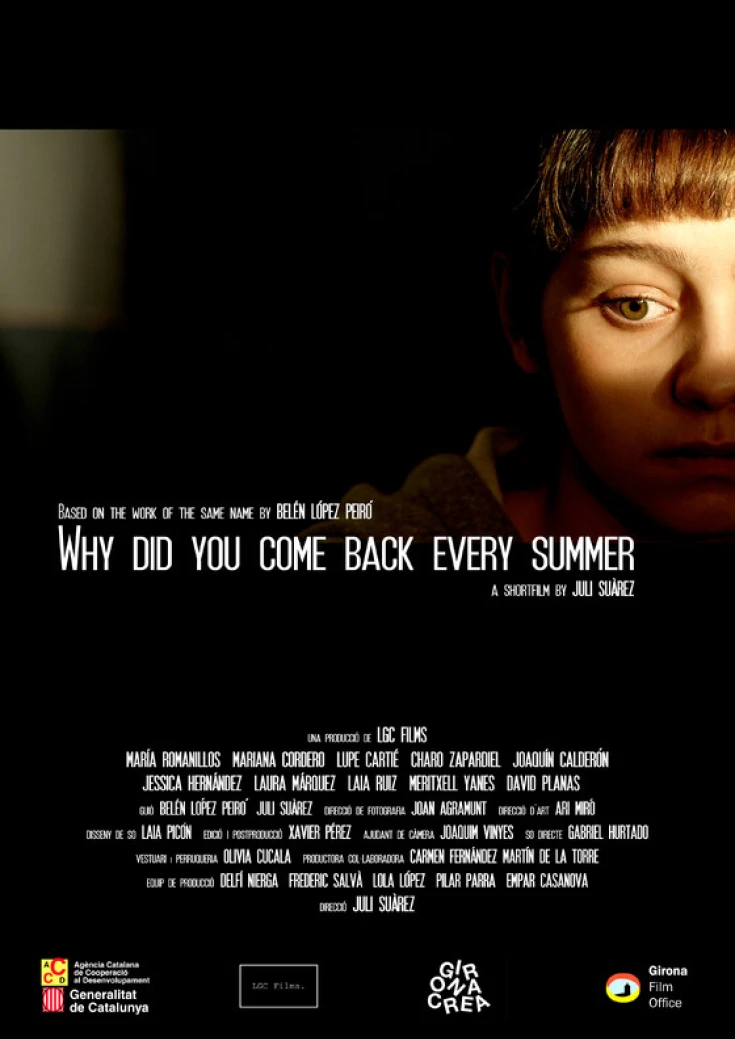
BEST SHORT FICTION FILM Category
22nd IN THE PALACE International Short Film Festival 2025
Spain, Fiction, Spanish, 00:18:31, 2024
Synopsis: Based on the worldwide bestseller of the same name written by Belén López Peiró, the short film shows Lucía (alter ego of the author of the book), a 22-year-old student, who reveals the abuse she suffered as a child. A trip to the town of her childhood will be the beginning of a process of resilience, but the silence and family hypocrisy she will encounter will be her greatest obstacle.
Biography: Juli Suárez is a filmmaker. Producer and screenwriter. Graduated in audiovisual communication and creative documentary film at the ERAM-University of Girona. And he has completed his audiovisual training in different referential seminars with Abbas Kiarostami, Patricio Guzmán, Asghar Farhadi and Isabel Coixet. He is the founder of the production company LGC Films, based in Banyoles (Spain).
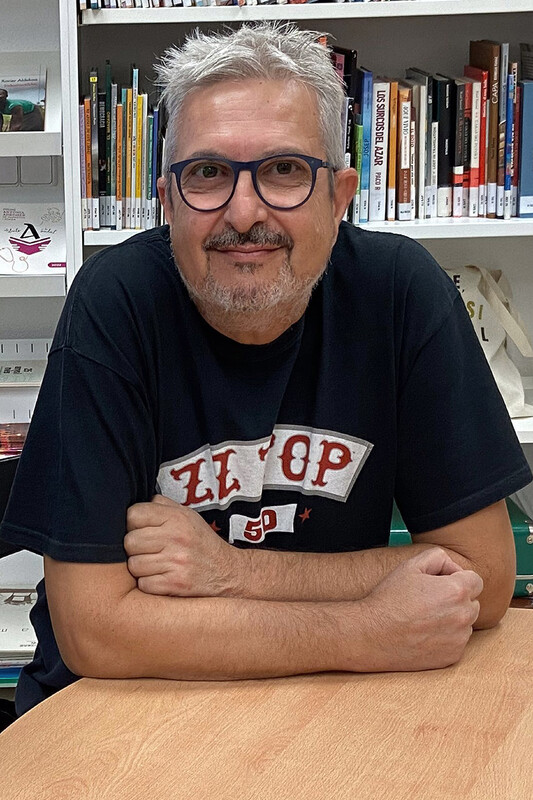 Juli Suàrez, director
Toma Manov: When you read Belén’s book, you started researching intrafamilial abuse. Can you tell us more about how that led to the making of this film?
Juli Suàrez: After reading Belén’s book, he conducted research on abuse within the family nucleus. The results showed that 80% of abuse happens within the family core. So I spoke with Belén, and we agreed to make a short film based on her work to raise public awareness about these situations.
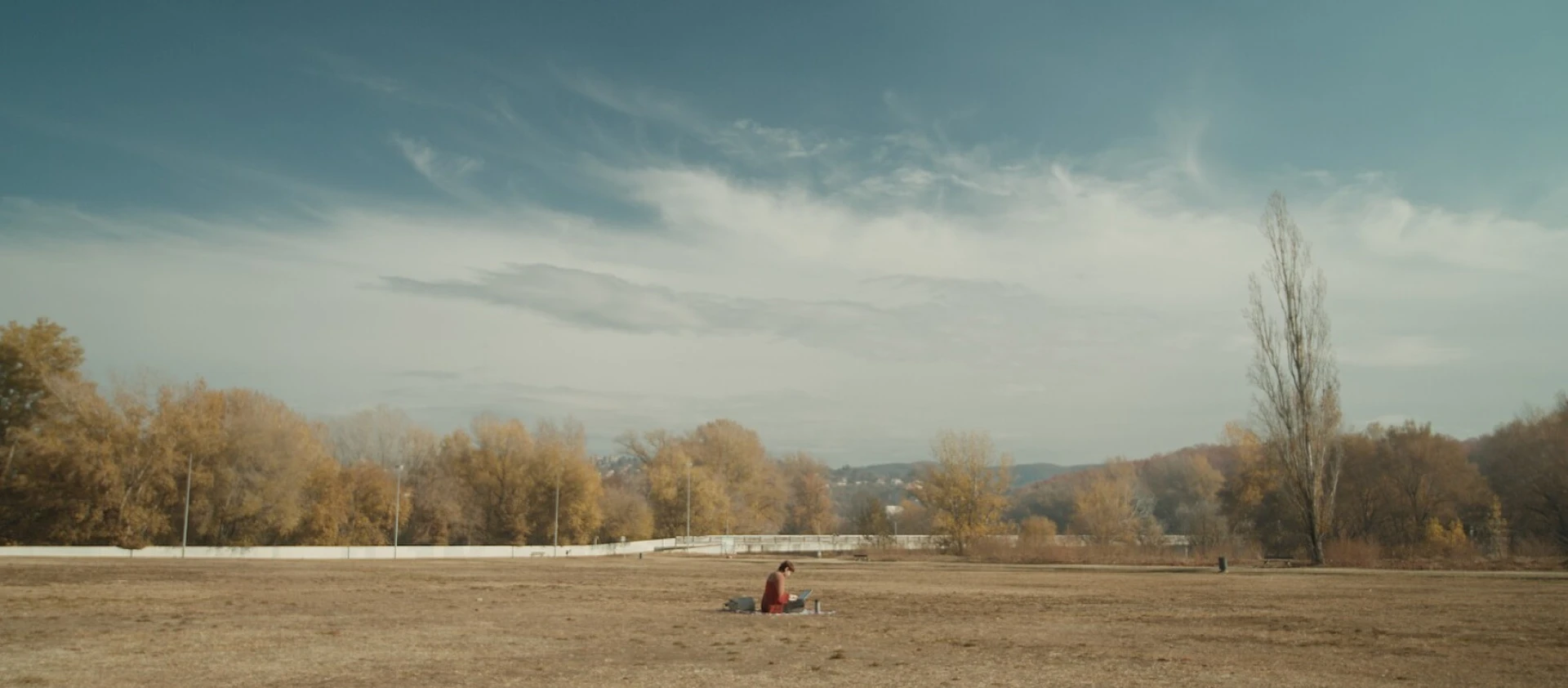
Toma Manov: The film carries such a powerful message. Was there anything you wanted to do differently on screen compared to what was in the book?
Juli Suàrez: When we discussed the adaptation with Belén, we decided to center the film around what they felt was most important: the silence within the family. For Belén, the silence is what allows these things to continue happening.
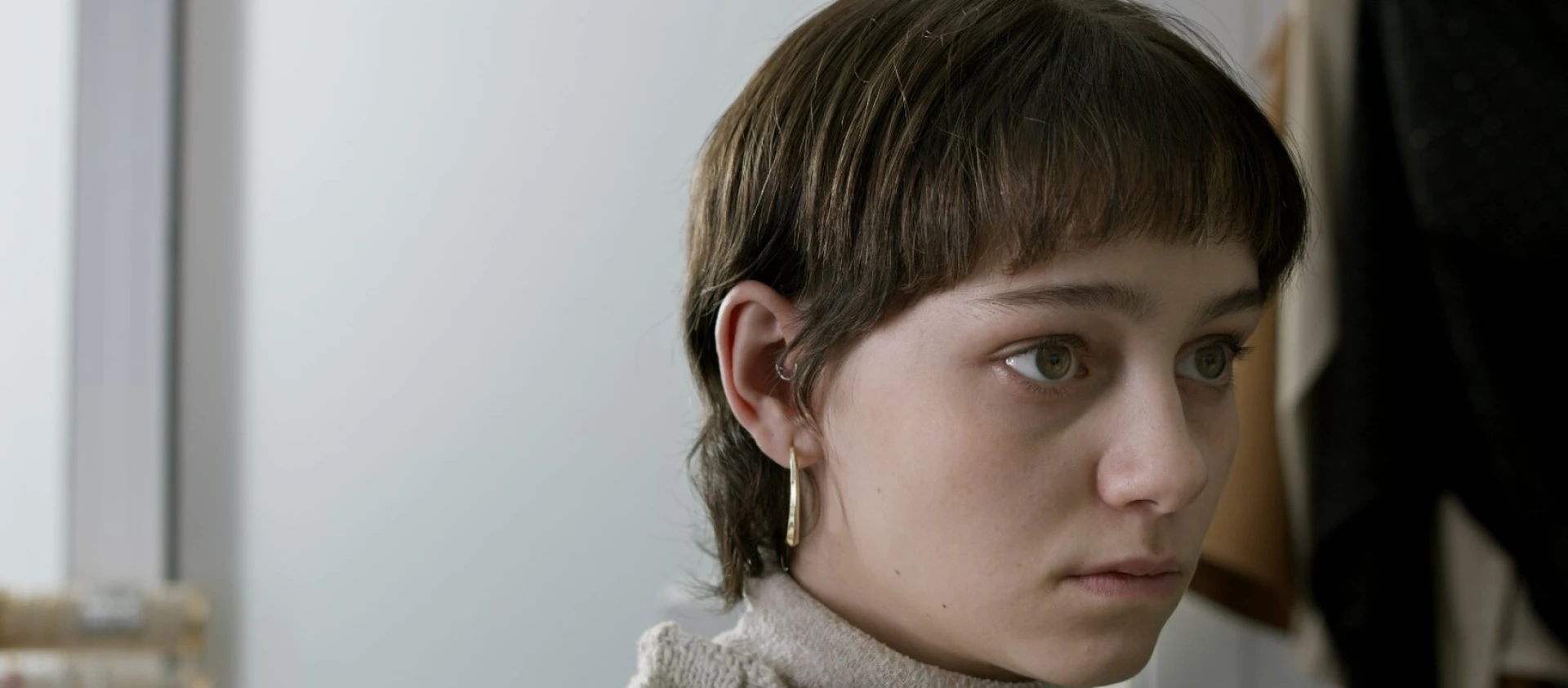
Toma Manov: Would you say one of the key messages is that words are stronger than physical power?
Juli Suàrez: Yes, speaking up is the first step toward healing and resilience.
Interviewer: Toma Manov
Editor: Martin Kudlac
Toma Manov’s Take
Juli Suàrez’s short film Why Did You Come Back Every Summer takes direct inspiration from the book with the same title written by Belén López Peiró and published in 2018. The plot tells the story of a young girl who was sexually abused by her uncle during the summers she spent with him.
This film was the fruit of Suàrez’s interest in representing the voices who are left unheard, lost in the silence imposed by trauma. He shares that when doing research for the project, he became aware that 80% of the cases of sexual violence happen within the walls of familial households.
When adapting the story which is based on real events for the screen, the director avoided directly depicting any of the violence that has taken place. Instead, its lingering effects are represented by the complex dynamics of a whole family who has fallen victim to multiple forms of abuse behind closed doors. The cinematography employs tightly framed shots, focusing on the characters’ facial expressions and therefore the performance of the actors, which creates a predominant sentiment of intimacy, a window into the characters’ internal worlds.
The plot is evenly paced, creating a dynamic unfolding of events within its short runtime, effectively summarizing the significant events of the book it adapts. There are three main moments in the plot, the introduction of the problem and the characters, the acknowledgement of the abuse that took place and the familial confrontation that follows, and then the resolution, carrying an emotionally powerful message of hopefulness and the need to speak up.
Why Did You Come Back Every Summer is a powerful adaptation that handles an extremely sensitive subject with restraint, emotional depth, and purpose. Its strength lies in its emotional power and the director’s decision to focus not on the acts of violence themselves, but on their psychological aftermath and the complex, often painful, dynamics within a family marked by silence and denial.
What distinguishes the film is its intimate cinematography, which prioritizes performance and emotional nuance, as well as its narrative structure, which manages to condense and convey the essence of a deeply traumatic story within a short format. It joins a growing movement of socially conscious cinema that brings attention to gender-based violence and systemic silencing.
This film would resonate with audiences engaged in feminist cinema, human rights discussions, and storytelling that deals with trauma. It is especially suited for festivals that highlight social justice, survivor narratives, or literature adaptations.


