


COLLECTABLE STORIES: ULTRAPOLICE

ULTRAPOLICE
Short Talk with Thibault Fauconnet (director) and Valentin Guyard (cinematographer)
BEST SHORT FICTION FILM Category
22nd IN THE PALACE International Short Film Festival 2025
France, Fiction, 00:05:30, 2024
Synopsis: On a crime scene, a forensic’s man find out that one of his colleague erase an evidence. Caught red handed, he chase his colleague who’s running away.
Biography: Assistant director since 4 years on a dozen projects for cinema and television. He directs, produces, writes and edits videos from an early age, and since several years he develops short films in parallel with his assistant career on fictional project.
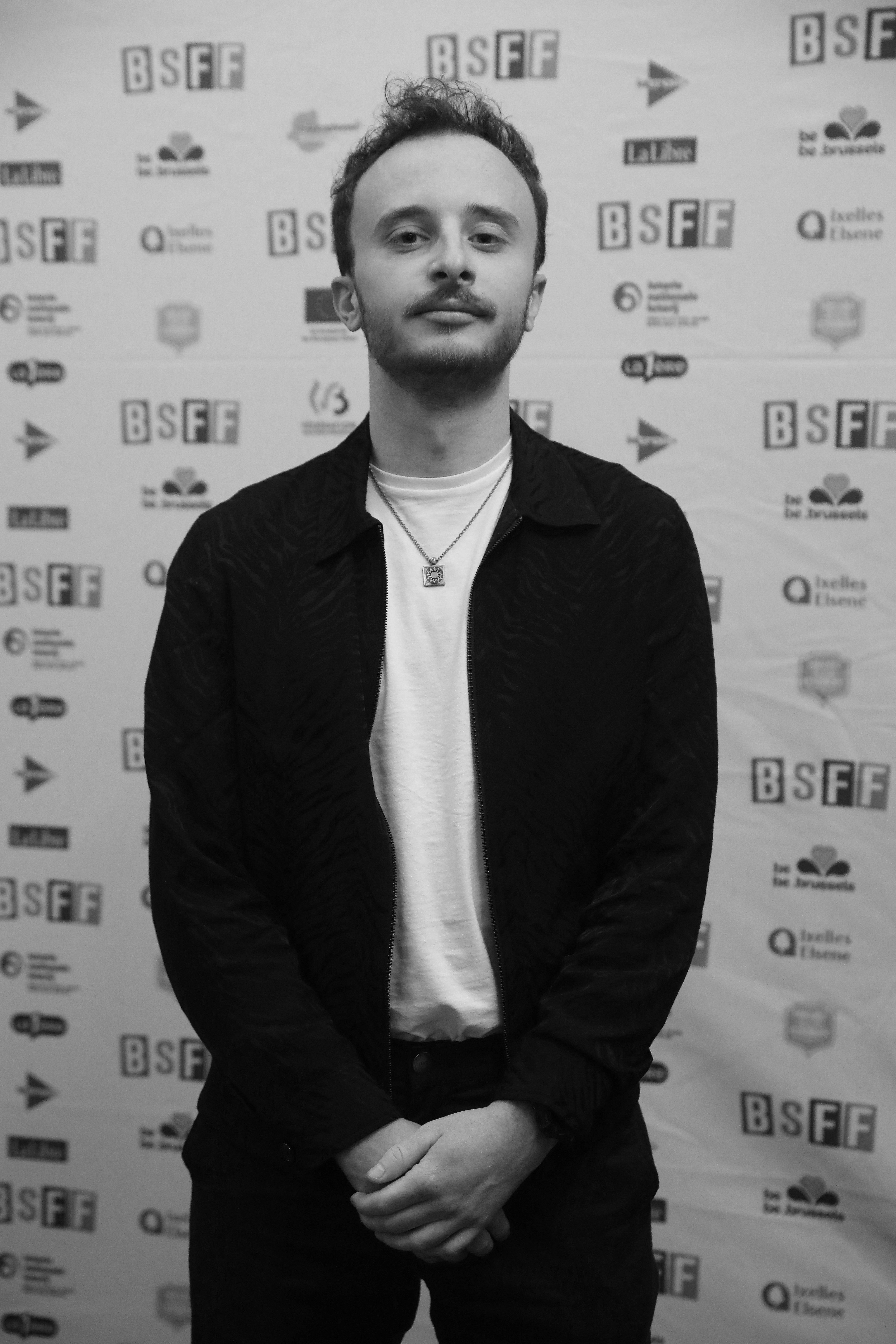
Thibault Fauconnet, director
Raya Hristova: The events unfold on a crime scene. How did you prepare for all of this, the blood stains, costumes, and making everything look real?
Thibault Fauconnet: First, to create the right atmosphere, we searched for a set that was really creepy, something dark, where we could control the lighting. We found an artistic squat that worked perfectly. After that, it was mostly about finding police equipment.
Raya Hristova: Where did you find it? Through a costume shop?
Thibault Fauconnet: We rented it from a costume and accessories company. For the wardrobe, interestingly, we worked with a construction company, it was originally made for a painter.
Raya Hristova: And where exactly was the location we see in the film?
Thibault Fauconnet: Near Paris, in that same artistic squat.
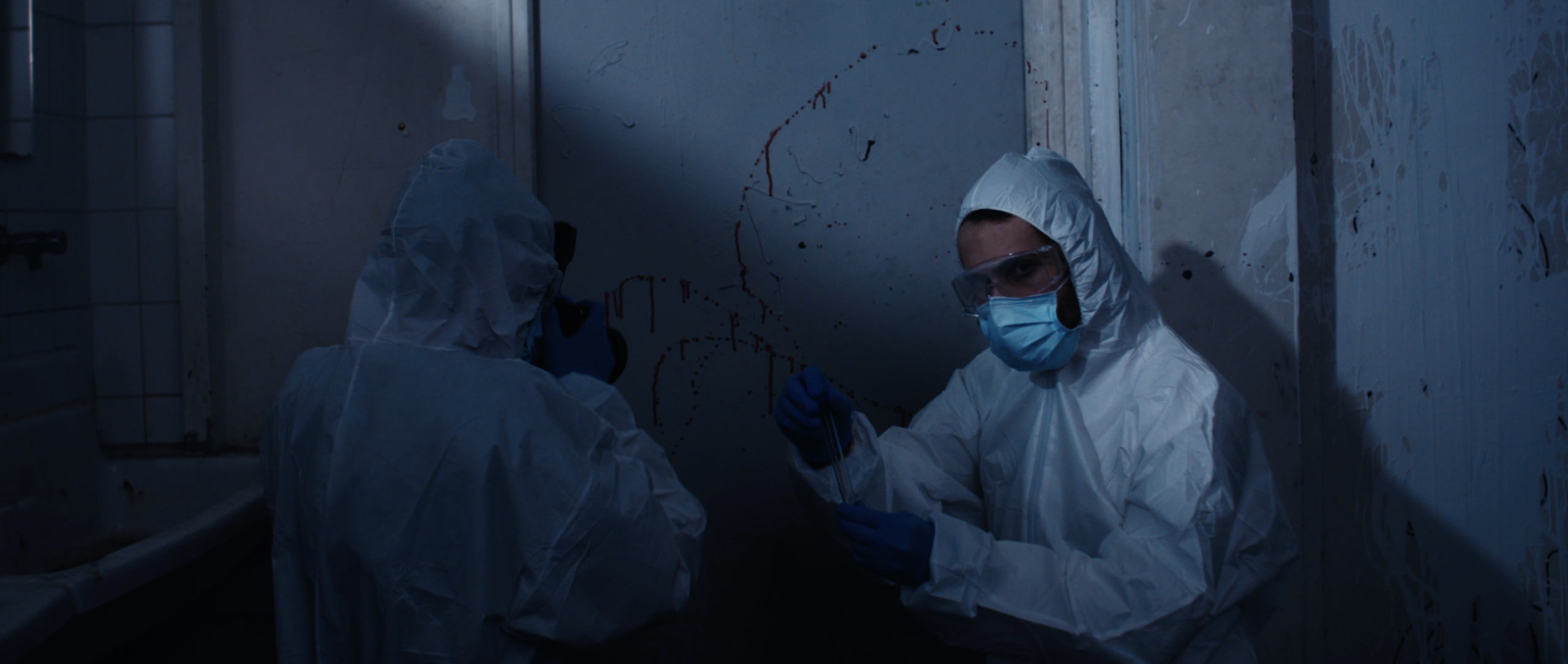
Raya Hristova: The story takes an unusual turn. You could say it’s almost accidental. Can you expand on the case and what you hope the audience might take from it?
Thibault Fauconnet: I’m not sure if there’s a single lesson, but what I wanted to communicate was my vision of society, a society where crime and violence are trapped in a loop, where we don’t learn from the past. That’s the idea behind the plot.
Raya Hristova: How did you choose the title?
Thibault Fauconnet: That’s a good question. I don’t have a fixed answer, but my vision of society is something intense, ultra. Since the film involves the police, Ultrapolice just felt right.
Raya Hristova: Valentin, was this your first time working together?
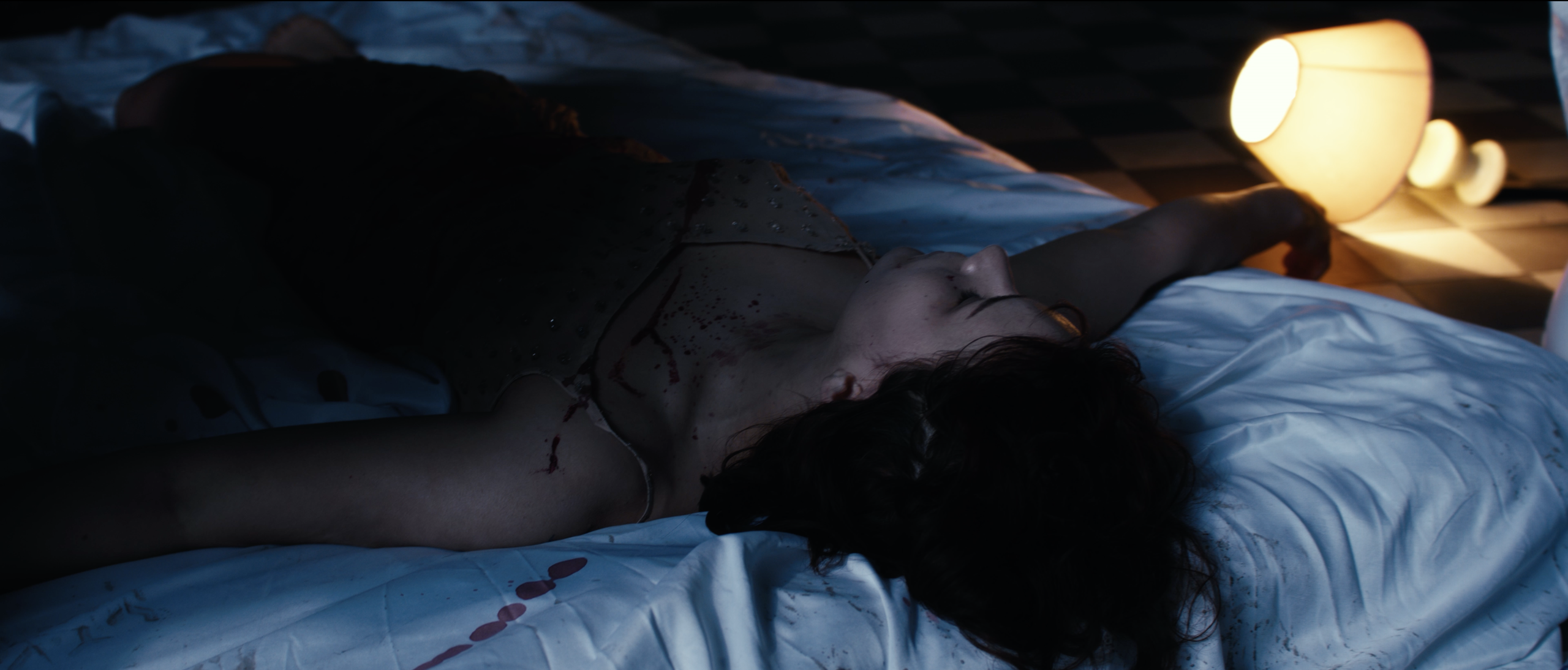
Valentin Guyard: Yes, we had worked on a small commercial before. We got along well, no disagreements. It was a quite hard to produce the film. It was a very cheap film. The challenge was to create atmosphere with almost no budget and just one light. That was difficult, but we shared the same goal: to make it as cinematic and believable as possible. That goal shaped our collaboration.
Raya Hristova: How long did the shoot take?
Valentin Guyard: Two days.
Interviewer: Raya Hristova
Editor: Martin Kudlac
Raya Hristova’s Take
Ultrapolice is a dark, intense short film set at a crime scene, but it quickly becomes more than just a crime story. Directed by Thibault Fauconnet and lensed by Valentin Guyard, the film explores how violence and crime seem to repeat over and over in society, without real change.
The film was made with a very small budget and filmed in just two days. The team used an abandoned building near Paris, which gives the film a realistic atmosphere. It was the perfect choice to reflect the film’s mood.
It’s claustrophobic, charged with a sense of decay, and perfectly suited to the film's themes of cyclical violence. The director admits he wanted a place “really creepy” where they could control lighting, and this control is clear: every shadow, every dimly lit corridor radiates tension. The police costumes and props were also carefully chosen, even borrowing from a construction company to help with the look.
Even with just one light and very little equipment, the cinematography stands out. Valentin Guyard manages to create a strong visual style that feels professional and cinematic, showing how much can be done with limited tools when there's a clear vision.
The story itself takes an unexpected turn, showing how justice doesn’t always work the way we think it should. It suggests that society is stuck in a cycle of violence, and we don’t seem to learn from past mistakes.
Even the title, Ultrapolice, resists direct interpretation. Fauconnet admits there’s no fixed meaning, just a reflection of his view of society as something “intense, ultra.” The name is blunt, forceful, and fitting for a film that refuses to offer comfort.
The lead performance by both actors, Ludovic Locoche and Georges Pagès, is compelling, balancing stoic professionalism with barely contained anxiety. His recognition of the betrayal is portrayed with genuine realism, and his subsequent quest for both factual and moral truth serves as the central emotional focus of the film.
The story thrives on atmosphere, suspicion, and the claustrophobic fear that the real danger might not be on the streets.


