


COLLECTABLE STORIES: TOUGH MOVES

TOUGH MOVES
Short Talk with Jakob Michal (Director) and Suzanne de Carrasco (Cinematographer)
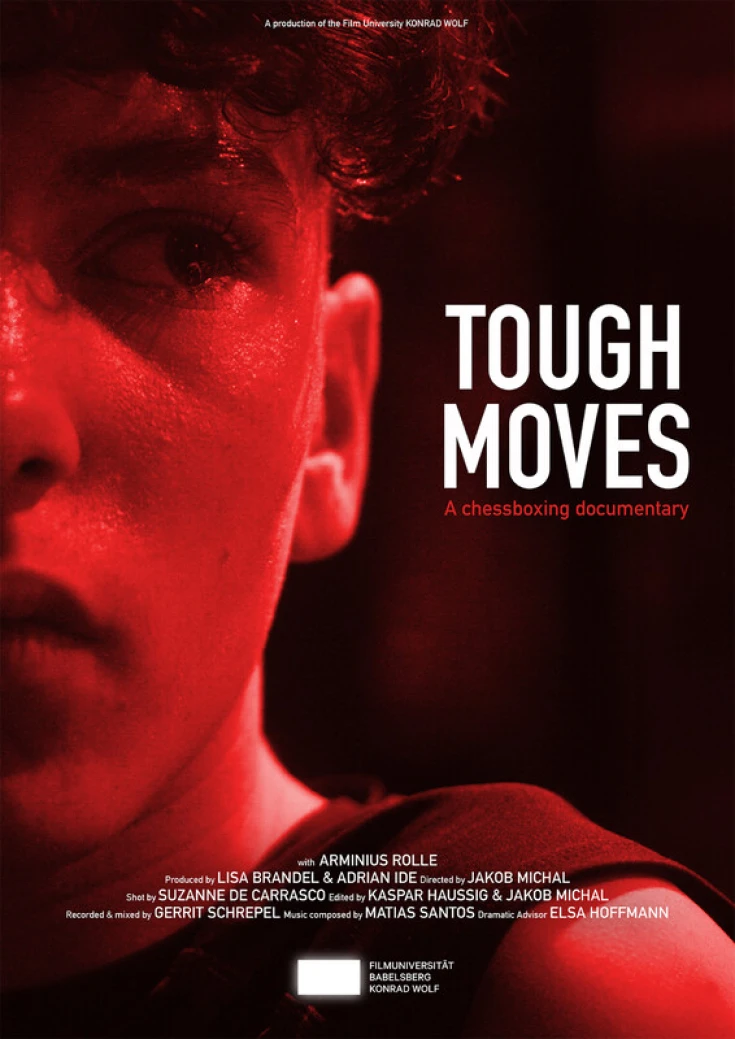
BEST SHORT STUDENT DOCUMETNARY FILM Category
22nd IN THE PALACE International Short Film Festival 2025
Germany, Documentary, English, German, 00:15:20, 2024
Synopsis: In "Tough Moves" 13-year-old Arminius navigates the contrasting worlds of his unique sport: chessboxing. In one moment, he is immersed in the calm concentration of the chessboard; in the next, he is engaged in the intense physicality of the boxing ring. This challenging balance extends into his home life, where his father, also his boxing coach, imposes rigorous training. Together, they prepare for the upcoming German championship.
Biography: Jakob Michal is a director and editor based in Berlin. Raised in a small village near Hamburg as the child of two journalists, he developed an early passion for filmmaking. After his graduation, he spent several years working at a commercial film production company in Hamburg. 2020, he moved to Berlin to study history and politics at the Free University of Berlin. Since October 2023, he is studying directing at the Film University Babelsberg KONRAD WOLF. Tough Moves is his debut project.
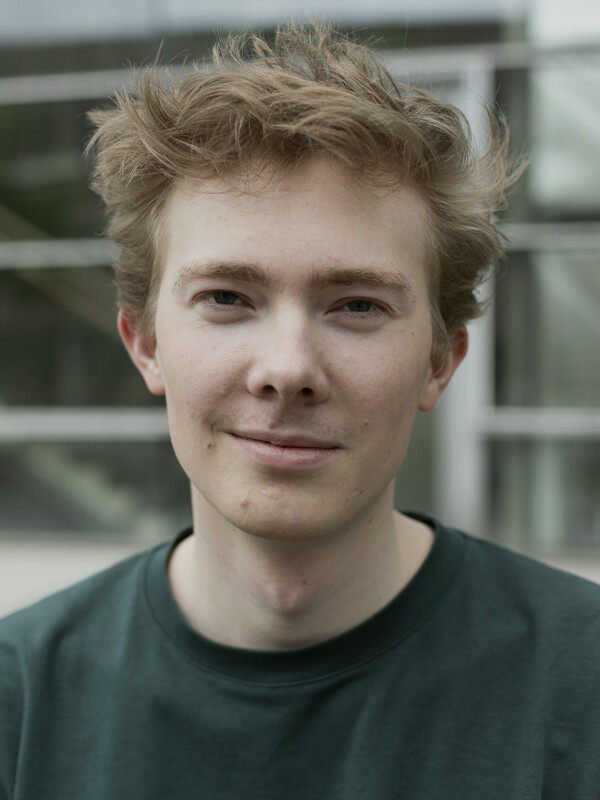 Jakob Michal, director
Raya Hristova: I want to ask about the sport of chess boxing, because I didn’t know that was even a thing before watching your film. Is it something common in Germany?
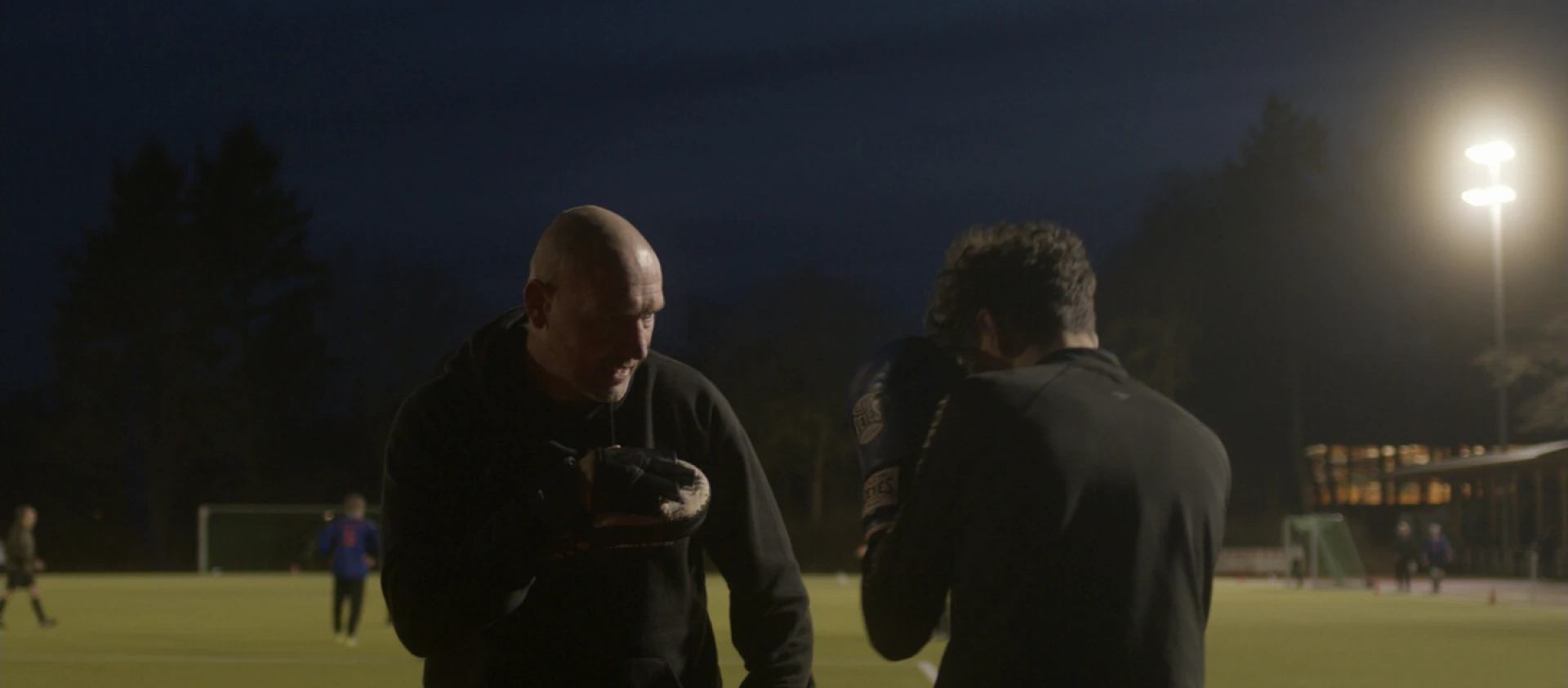
Jakob Michal: I think we hadn’t heard of it either. We actually started out wanting to make a film about a young chess player, and then we discovered that there’s this very small community in Berlin doing chess boxing. Basically, you enter a boxing ring and play chess for three minutes. Then the bell rings, they take the chessboard out, and you box for three minutes. Then back to chess and you continue switching until someone either gets knocked out or checkmated. At first, we just thought it was a funny idea. But when we went to a few training sessions, that’s when we met Robert and Arminios Rolle, the father and son. Robert is the boxing coach and Arminios is his son. They really stood out to us. They had this intense dynamic, and Arminios was just 13 years old. They were taking it all very seriously, and that really interested us.
Raya Hristova: How was it working with them?
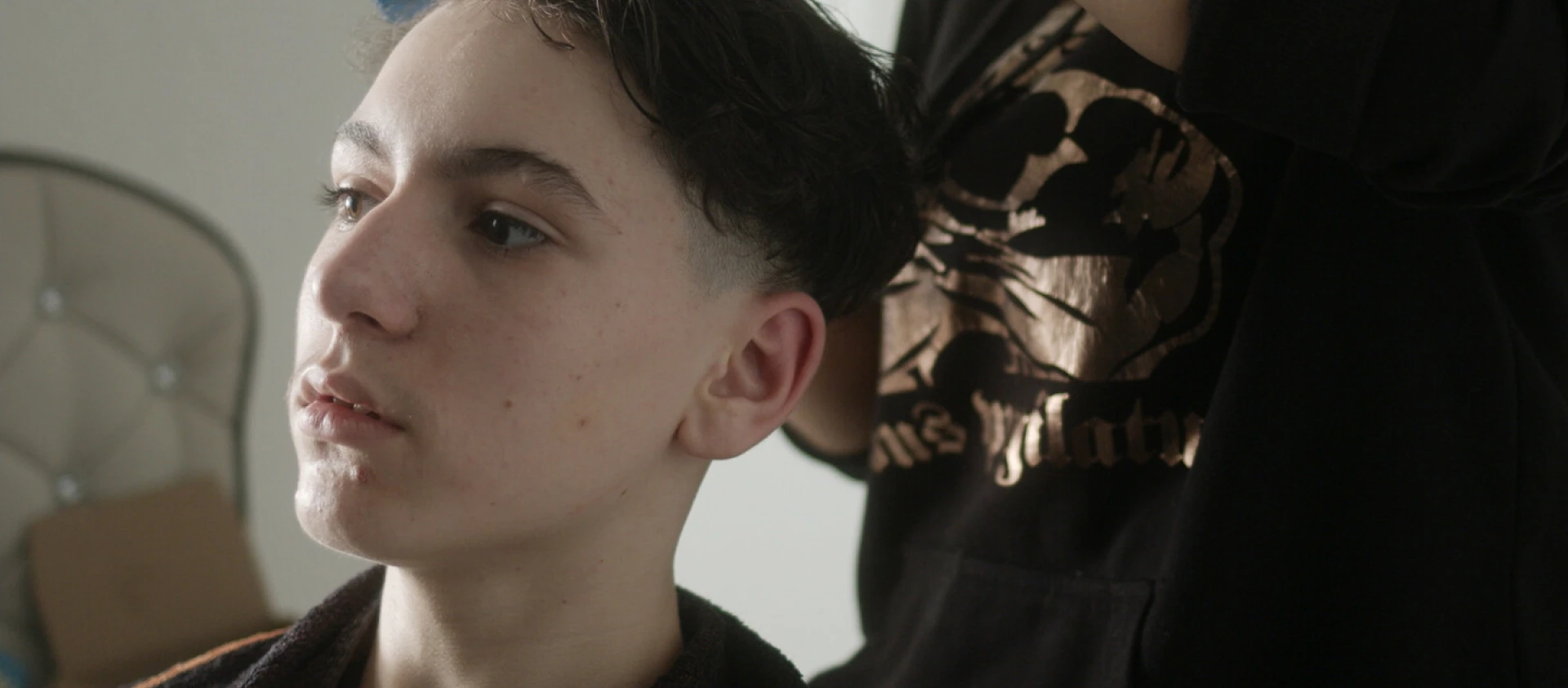
Michal: Working with them was actually quite easy. We spent a lot of time just getting to know them before filming, no camera, just hanging out. We helped them move just to earn their trust. They also already had some experience being in front of a camera. They make their own YouTube videos, so they were pretty professional. For us, the challenge was actually to get to the more intimate, real parts of their lives, to make them feel like we weren’t there.
Raya Hristova: Suzanne, were there any challenges for you while shooting?
Suzanne de Carrasco: I didn’t really face any struggles. The collaboration with Jakob was really smooth. He gave me a lot of freedom to shoot what I felt was right in the moment, but we always checked in with each other to make sure the choices worked. I also really got along with the family. After a while, they just accepted me being right next to them all the time with the camera. I’m really grateful for how naturally they welcomed me into their space.
Raya Hristova: You mentioned that Arminios is 13. How did you direct him and explain what you needed for the film?
Michal: He actually understood what we were trying to do pretty well. The challenge wasn’t so much the directing, it was getting close to him. He’s a quiet, shy kid. And his father is very present, very dominant. Often Robert would answer questions for him. So it was sometimes difficult to get alone time with just Arminios, to hear his own voice and perspective.
Raya Hristova: Was he nervous about being on camera?
Michal: I think he was nervous. And maybe he would have performed differently at the event we filmed if we hadn’t been there. But we talked a lot about boundaries. He always knew he could say, “I don’t want to be filmed right now.” We even discussed what would happen if he lost the match. But he always said, “No, it’s okay. You can keep filming. I don’t mind.”
Raya Hristova: The film shows some pretty intense moments, were the matches real?
De Carrasco: Yes, they were real. He had two matches. He lost the first one, and then he took another fight and lost that one too. I didn’t cry while shooting, but afterward, I really felt it. We’d spent a lot of time with this family and really grew close to them. So seeing him lose, especially knowing how hard he’d trained and how much pressure he was under because of his father, it was very emotional. His father is a former boxing champion, so there’s this automatic weight of expectation. It was tough to watch.
Interviewer: Raya Hristova
Editor: Martin Kudlac
Raya Hristova’s Take
Tough Moves by director Jakob Michal delivers a poignant, visually intimate portrait of an unexpected world: chess boxing. Equal parts cerebral and brutal, the sport forms the backdrop of a deeper story, one about pressure, performance, and the quiet endurance of a 13-year-old boy navigating both the ring and his father’s expectations.
Chess boxing, a sport that alternates chess and boxing rounds, might seem unusual at first. The story shifted focus when the director met Robert and Arminius Rolle, a father and son training in Berlin’s close-knit chess boxing community. Robert, a former boxing champion, is the dominant force in both their personal and athletic lives. Arminius, his soft-spoken teenage son, emerges as the emotional heart of the film. While the sport is what initially grabs the viewer’s attention, it’s Arminius’ quiet determination and vulnerability that linger long after the final bell.
Michal’s directing is marked by restraint and empathy. He smartly avoids the trap of sensationalizing the sport or dramatizing family conflict. Instead, Tough Moves finds its tension in the silences, in the pauses between rounds, and in the weight of expectations passed down from father to son.
The film does not shy away from failure. The boy loses both of his documented matches, a rare narrative choice in sports documentaries, which so often cling to triumph. Yet he short film Tough Moves treats these losses not as defeats, but as moments of honesty and emotional weight. In doing so, it raises difficult, unspoken questions: Who are young athletes performing for? What happens when ambition is not their own? And how do we measure success in environments built on inherited pressure?
Despite its short runtime, Tough Moves accomplishes what many feature-length documentaries struggle to do, it captures a microcosm of life, tenderly and truthfully. It’s a film about a sport few have heard of, but more than that, it’s about the human cost of discipline, the complexity of parental expectations, and the dedication needed to stay involved.


