


COLLECTABLE STORIES: THE TRAP

THE TRAP
A Short Talk with Stanislaw Horodecki (cinematographer)
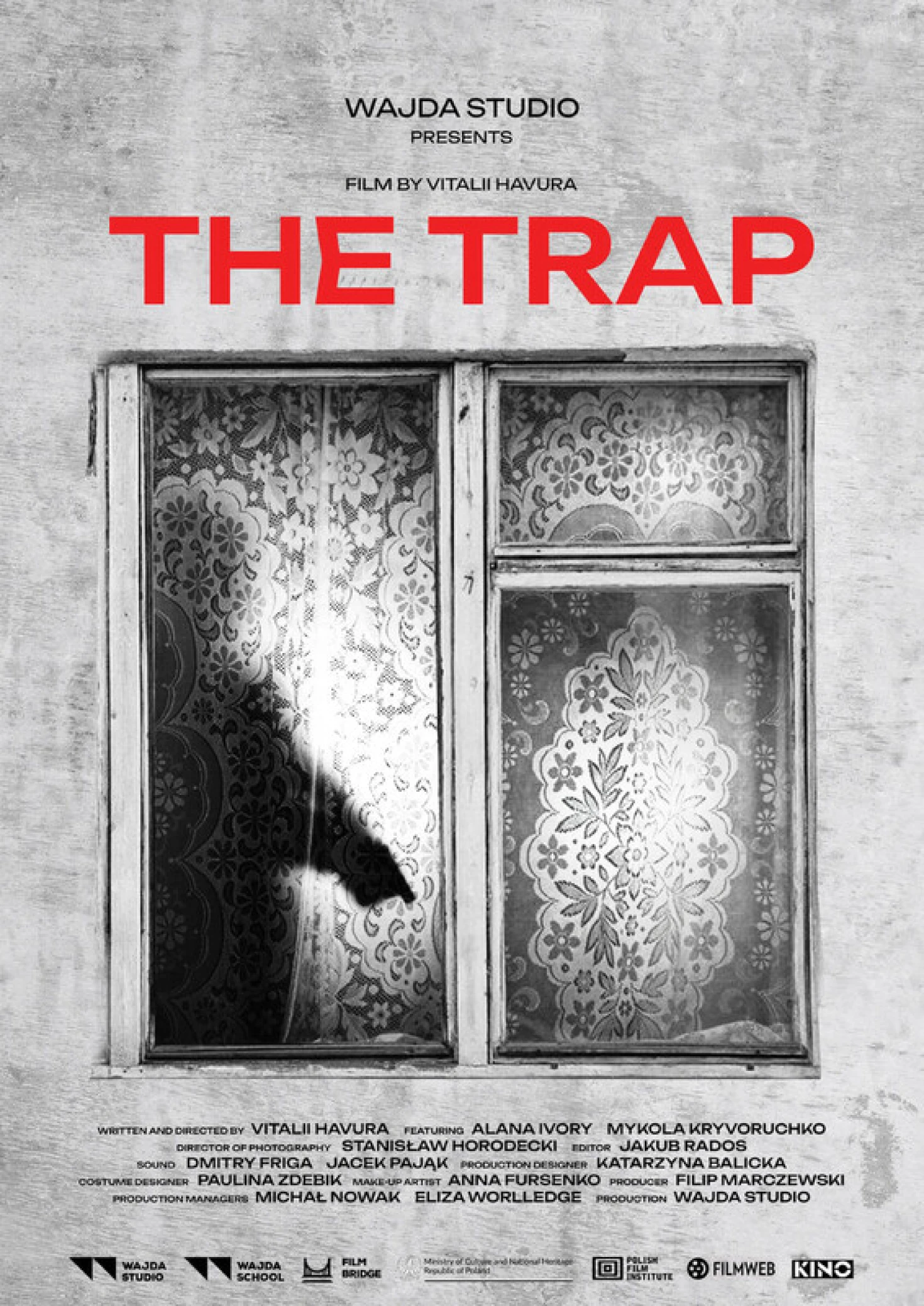
BEST STUDENT FICTION category
22nd IN THE PALACE International Short Film Festival 2025
Poland, Fiction, Ukrainian, 00:08:55, 2024
Synopsis: Ukraine, 2022. Kherson under russian occupation. Kostya, involved in the underground fight against the russians, is constantly in hiding. Only his mother knows his whereabouts, and she believes that the Russian invasion is a salvation for the country. That night he narrowly escapes death. So he comes to his mother to check if she was the one who betrayed him.
A heated argument breaks out between them, but when his mother offers him a meal, he is unable to refuse and sits down at the table in silence. The already tense situation results in an unexpected twist as the son decides to leave.
Biography: Vitalii Havura, director and scriptwriter, born in Kherson. Graduate of the Kyiv National I.K. Karpenko-Kary Theatre, Cinema and Television University (Directing), the National University of Kyiv-Mohyla Academy Key (Cultural Studies) and Wajda School (Film Bridge Ukraine film course). Author and director of the shorts: Chacho (FIPRESCI award at 11th Odesa IFF), Romani Dance ("Bardak" festival award). Author of the investigative documentaries regarding war crimes for Kyiv Independent.

Evgenia Evtimova: The Trap feels very tense and intimate. How did you conceptualize the cinematography to convey that emotional intensity, and did you use any additional lighting to achieve those beautiful silhouettes?
Stanislaw Horodecki: To be honest, we had only one day to shoot, so from the start, we aimed for a natural and organic look, not quite documentary, but not overly stylized either, something in between. We didn’t use any extra lighting, the weather really helped as it was cloudy all day. We relied on a negative diffuser, an Arri Alexa camera, and a Cooke S4 lens, that was it.
Evgenia Evtimova: The weather definitely worked in your favor. I also noticed the shots are quite tight. Given you had only one day and presumably limited gear, what made you choose the lenses and focal lengths you did?
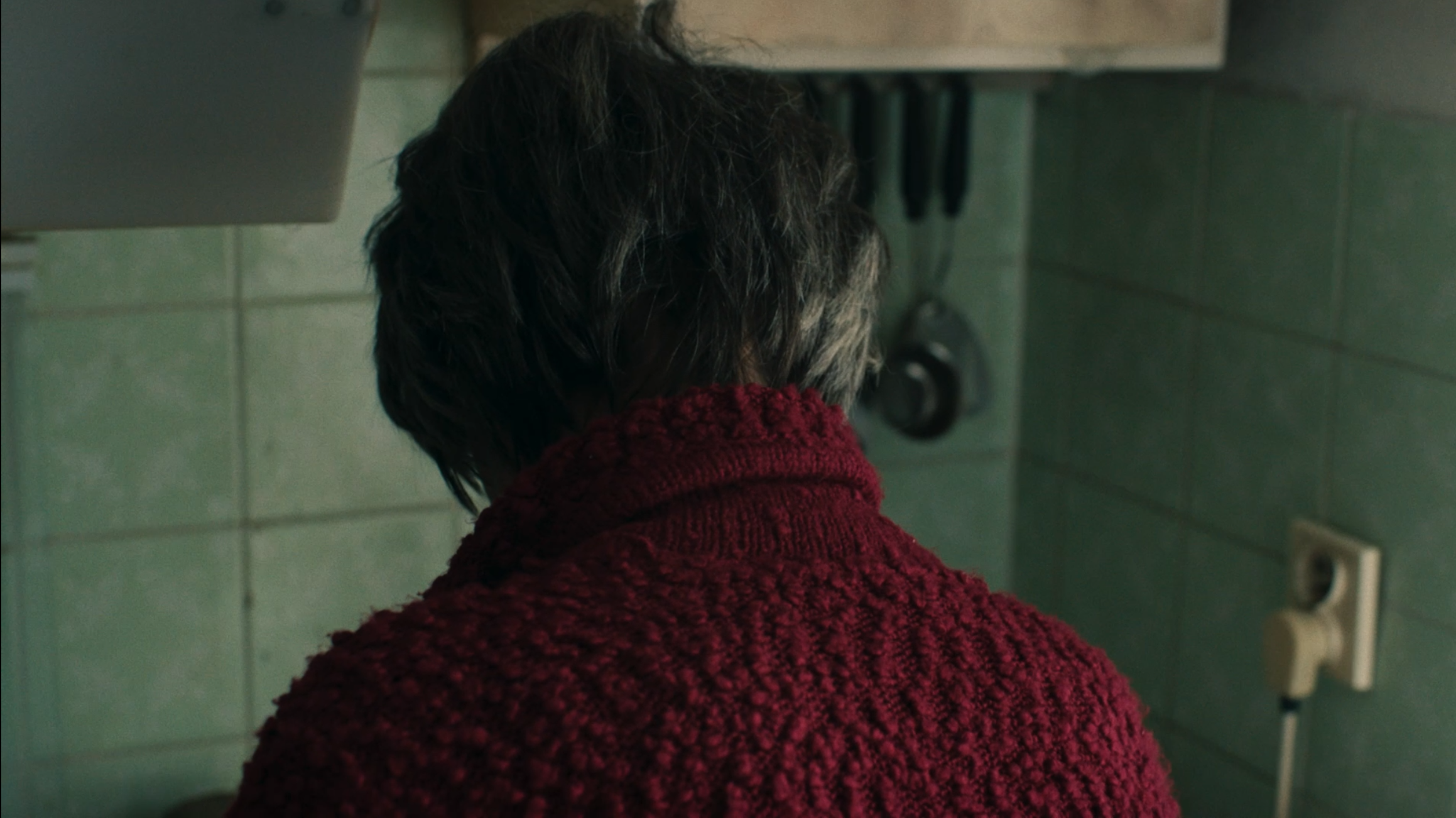
Stanislaw Horodecki: The longest lens we used was 50mm. Shooting handheld, the goal was to get as close as possible to the actors’ faces to make the audience feel close to the characters, with no barriers or distance.
Evgenia Evtimova: Was shooting handheld purely a practical decision, or was it also about keeping the perspective close?
Stanislaw Horodecki: It was mostly practical. With just one shooting day and a low budget, we didn’t have resources for steadicam. But also, we wanted to tell the story from the main character’s point of view, to stay close and subjective to show his perspective.
Evgenia Evtimova: I want to congratulate you on that small detail, the window reflection in the character’s eyes. Was that planned or a happy accident?
Stanislaw Horodecki: It just happened. On set, some things you plan and some you can’t. You just have to stay open and embrace those moments when they come.
Interviewer: Evgenia Evtimova
Editor: Martin Kudlac
Evgenia Evtimova’s Take
Set during the Russian occupation in Ukraine of Kherson in 2022, The Trap is a taut, emotionally charged short by director Vitalii Havura. The 16-minute drama unfolds almost entirely within the confines of a modest apartment, where Kostya, a young Ukrainian resistance fighter, confronts his mother under the suspicion that she has betrayed him. As the two clash in a charged silence and bursts of dialogue, their emotional standoff is interrupted by the entrance of a Russian agent, transforming the domestic space into a site of danger, guilt, and impossible moral choice.
The film leans visually into a raw and intimate aesthetic. Shot handheld using an Arri Alexa and Cooke S4 lenses, the cinematography by Stanislav Horodecki embraces a minimal yet expressive style. The decision to shoot with natural light was both practical and artistic, given the production's tight one-day schedule, but the result is a series of controlled and emotionally effective frames. The overcast weather allowed for soft, diffused lighting throughout the shoot, with no artificial augmentation beyond negative fill. This choice heightens the realism and emotional weight of the story, with striking silhouettes and soft shadows bringing a visceral presence to the characters.
The handheld camera keeps a close and subjective gaze on Kostya, narrowing the distance between viewer and protagonist. This proximity generates a sense of claustrophobia and urgency, amplifying the tension in the room and underscoring the emotional volatility of the scenes. The lensing remains tight throughout, with the longest focal length being 50mm, an intentional decision that prioritizes facial detail and subtle expressions over spatial context. The visual rhythm is consistent and restrained, focused more on emotional proximity than visual coverage.
One of the film’s most poetic visual moments comes unexpectedly: a natural reflection of the window light appears in Kostya’s eyes during a key scene, adding a layer of vulnerability and introspection. While not planned, the team’s readiness to embrace such accidents demonstrates a cinematographic sensitivity often missing in student productions. Combined with occasional use of classic Rembrandt lighting shapes, the visual composition maintains a strong, painterly quality even within its raw realism.
Despite its minimal setup and compressed production timeline, The Trap succeeds in turning its constraints into strengths. It exemplifies a growing strand of Eastern European student cinema that prioritizes human stories over spectacle, and psychological tension over action. With its high emotional stakes, authentic visual tone, and unflinching intimacy, The Trap is well-suited for politically conscious short film competitions and showcases centered on war, trauma, and generational divides.


