


COLLECTABLE STORIES: THE HORSE TAIL

THE HORSE TAIL
Short Talk with Justyna Łuczaj – Salej (director)

BEST FULL LENGTH FILM Category
22nd IN THE PALACE International Short Film Festival 2025
Poland, Fiction, Polish, 01:15:31, 2023
Synopsis: At the foot of a cliff, between a rubbish dump, barns and a forest, there is a place where people form incestuous relationships and hold painful secrets. The Horse Tail is a junk version of the myth of Oedipus. Diana ageing prostitute, comes back to a small town. She has memory blanks and milk streams from her breasts. Maj an orphan and outcast suspects that she is his mother. When they meet Diana treats him like a client. In the forest the policeman’s was raped and Maj is accused of it. The atmosphere gets much tenser when Maj becomes a friend with girl, daughter of policeman and a victim. Their relationship, based on their particular sensitivity and their opposition to the rotten world they live in, does not stand a chance of surviving. While they are playing in a river, a horse’s tail twines around their bodies. Maj knows that it is a bad sign.
Biography: Justyna Łuczaj, painter, visual artist, film director, screenwriter, TV producer, and university lecturer (University of Rzeszow, Faculty of Fine Arts). Graduated in Painting from the Academy of Fine Arts in Cracow (2000) and in Film Directing at The Polish National Film School in Lodz (2007). She also defended her PhD there (2023). She is interested in working with non-professional actors in a “live process”.
 Justyna Łuczaj - Salej, director
Petar Penev: Before making this film, you had a background in art, specifically painting. One thing that stands out from the very first frames is the strong visual identity of the film. How did your background in art influence your approach?
Justyna Łuczaj – Salej: I think it’s quite natural. I studied painting, so seeing the world in this way is simply part of me. Interestingly, when I started working with my cinematographer, we decided we wanted something very simple, not overly decorative or stylised. That simplicity came naturally, even though the strong visuals are there.
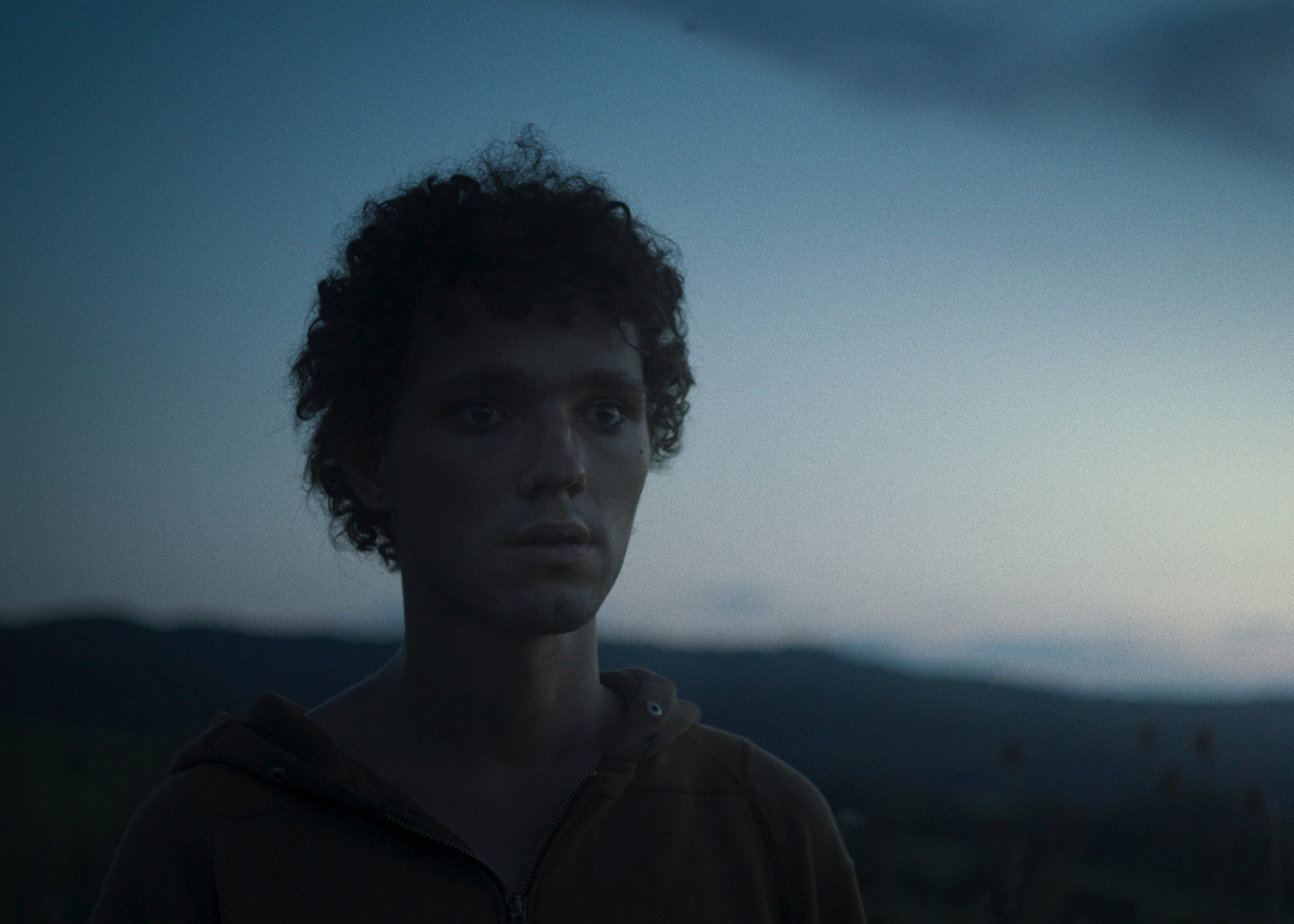
Petar Penev: Sometimes the simplest is also the most beautiful. From the trailer we can sense a lot of tension, but the film itself has even more unsettling, sometimes shocking moments. Was there ever any hesitation about presenting such strong imagery to the audience?
Justyna Łuczaj – Salej: I don’t really think about how it will be received in that way. I’m more focused on being true to the feeling I want to capture. The images come from the world of the story and the characters, they are necessary for me to express it.
Petar Penev: Speaking of characters, even in the short glimpse we got from the trailer, the acting feels… not quite conventionally “realistic.” The characters seem a little detached. How did you work with your actors to achieve that?
Justyna Łuczaj – Salej: I really like when people in my films are not “acting” in the traditional sense, but simply being themselves. I love Robert Bresson’s films for that reason. So I choose people who can just be present in the scene rather than performing a role. That’s not easy, it requires a specific atmosphere on set to make them comfortable and authentic. I’m not interested in psychological realism; I want something beyond that.
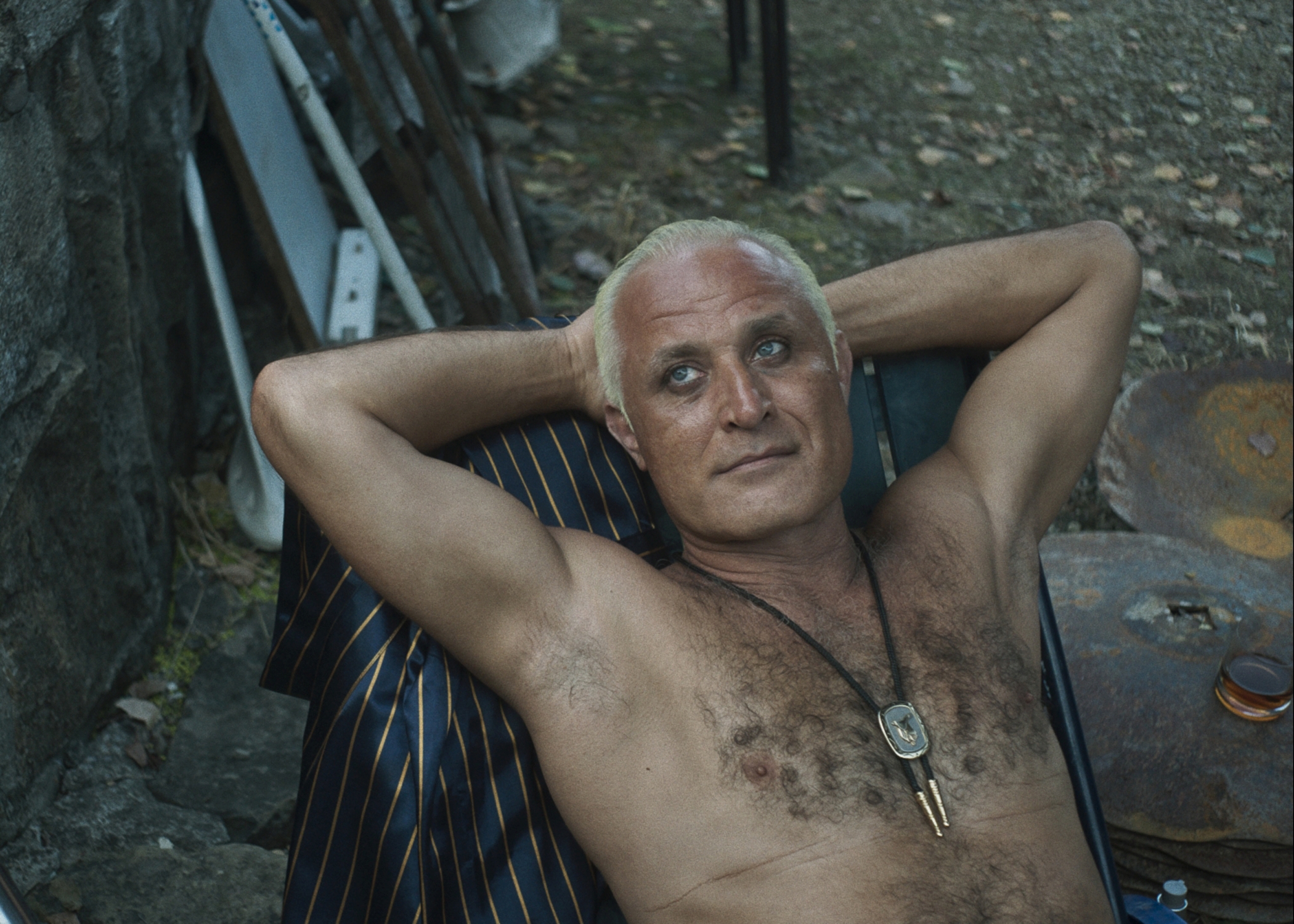
Petar Penev: So, in a way, you’re saying it’s less about playing a role and more about existing in the moment?
Justyna Łuczaj – Salej: Exactly. Most of them are not professional actors. I just want them to understand the situation and respond naturally. Only one cast member, the man playing the shop owner, is an actor. My main character I actually found by chance, on the street, after maybe 30 unsuccessful castings.
Interviewer: Petar Penev
Editor: Martin Kudlac
Petar Penev’s Take
The Horse Tail by Justyna Łuczaj – Salej is a visually assured and thematically ambitious feature debut that merges poetic realism with mythic fatalism. Drawing on the Oedipus myth and placing it in a decaying Polish landscape, the director constructs a meditation on memory, trauma, and identity through the story of Diana (Ryta Kurak), an ageing prostitute haunted by memory gaps, and Maj (Remigiusz Pocica), an orphan who suspects she may be his mother, their encounters unfolding amid violence, accusation, and ominous signs that render the film at once intimate and unsettling.
The film unfolds in an atmosphere of slow-burning dread, where landscape and silence carry as much weight as dialogue. With a background in painting, Łuczaj-Salej brings a careful visual composition to every frame. Abandoned barns, damp forests, and forgotten roads are rendered with a painter’s eye for texture and shadow. Decay here feels almost reverent, as if the environment itself retains memories that its inhabitants struggle to access.
What sets The Horse Tail apart is its commitment to ambiguity. The film privileges emotional and symbolic resonance over narrative clarity. Relationships are hinted at rather than defined, motivations remain murky. While this approach may frustrate some viewers, it also reinforces the film’s mythic dimension. The titular horsetail functions both as a physical object and as a recurring sign, evoking ideas of inheritance, entanglement, and the impossibility of escape from origin.
The performances, often by non-professional actors, are intentionally restrained, at times bordering on detachment. This distance contributes to the film’s raw, unpolished texture. Emotional beats sometimes falter, but the authenticity of presence compensates. The use of improvisation lends certain scenes a documentary-like quality that anchor the film´s more surreal elements in something more recognizable.
At points, the film’s pacing drags and the symbolism risks of becoming opaque. But it consistently returns to moments of haunting clarity, glimpses of tenderness, unease, or recognition. The Horse Tail resists immediate interpretation, asking instead to be absorbed, revisited, and gradually unpacked. For audiences receptive to ambiguity and poetic minimalism, Łuczaj – Salej´s film offers a distinctive and resonant debut: a distorted cinematic fable in which myth and memory seep into the fabric of everyday life.


