


COLLECTABLE STORIES: THE DAY SHE WILL BE BORN

THE DAY SHE WILL BE BORN
Short Talk with Emil Spahiyski (director)
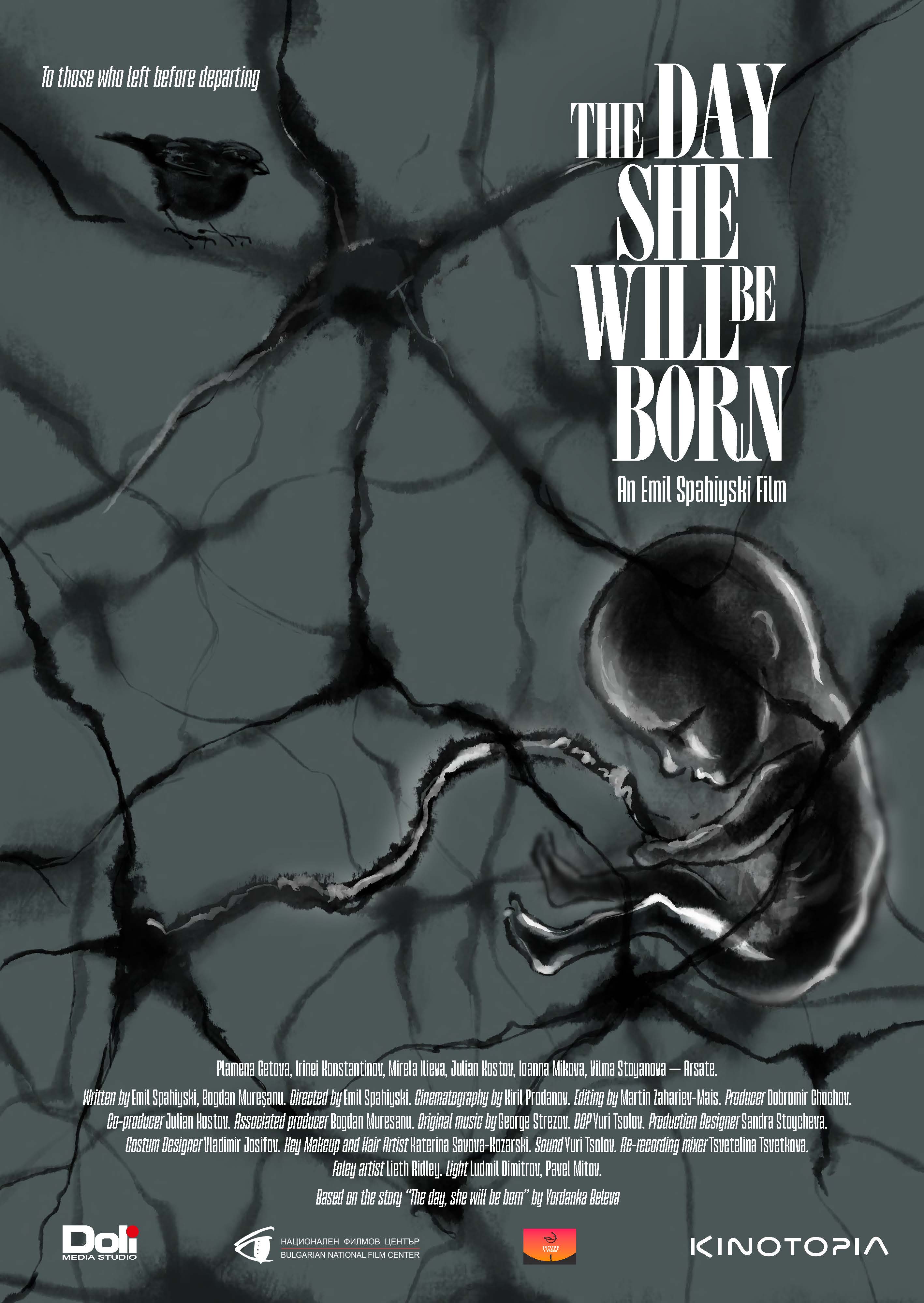
BEST SHORT FICTION FILM Category
22nd IN THE PALACE International Short Film Festival 2025
Bulgaria, Romania, Fiction, Bulgarian, 00:15:55, 2025
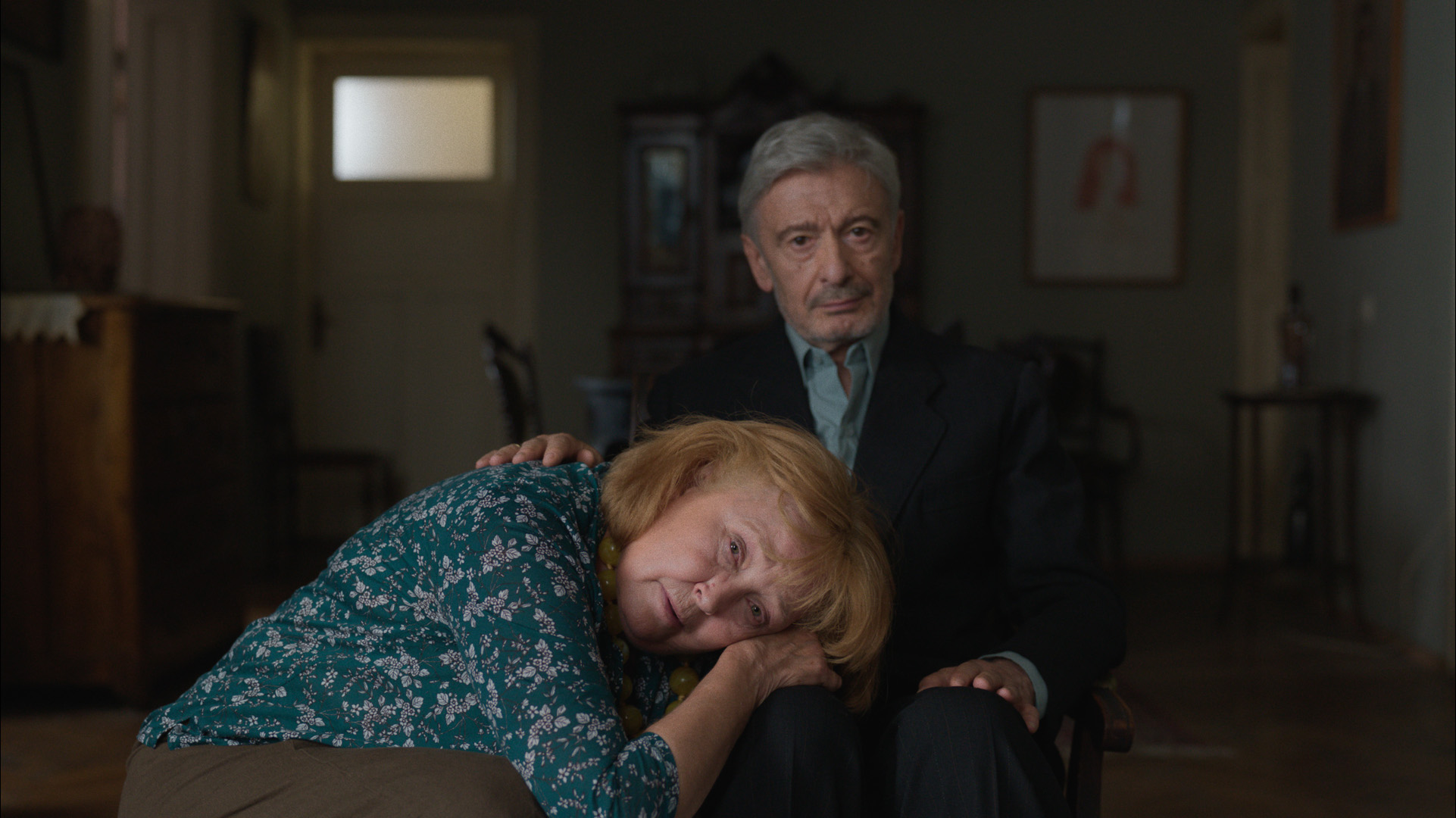
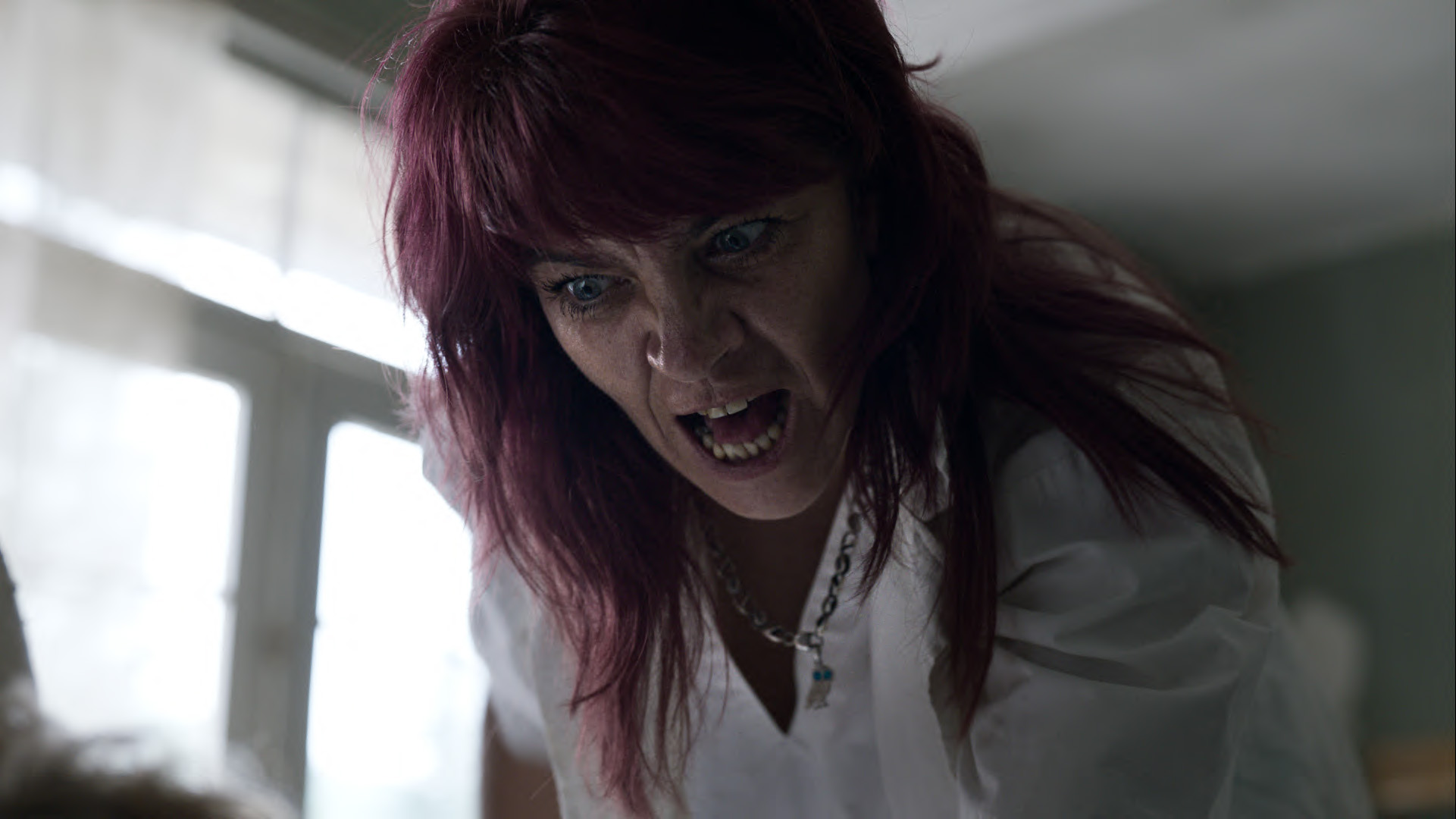
Synopsis: Sometimes the greatest battles are fought not in the streets, but in the corridors of memory. In this psychological drama Martha experiences her life as vivid fragments, interweaving between her nineteen-year-old self planning a wedding with Julian and her present reality in a nursing home where she faces brutal abuse. As dementia reshapes her world, memories become both refuge and weapon. Through non-linear storytelling, the film reveals how Martha's apparent confusion is actually profound clarity—she gathers all versions of herself for one final act of defiance. When she leaves the home, she carries not only the courage of youth but also a love story that time cannot touch.
This is a tribute to the resilience of the human spirit and, the power of memories and love. Dedicated to who left before departing.
Biography: Emil Spahiyski is a film director, screenwriter, journalist and publicist with extensive experience in print media, television and cinema.
He is known as the co-author of the script for the film "The Judgment" by producer and director Stefan Komandarev (Grand Prix--Indianapolis, Warsaw International Film Festival, "Golden Rose" and many more awards). Winner of the Bulgarian Film Academy's Screenplay Award, the "Golden Rhyton" Award for directorial debut in documentary cinema. Screenwriter of the television series "Stolichani v pove", screenwriter and editor of television reality formats.
In the print media he has worked from a reporter and political observer to a media executive. He was a correspondent for newspapers in the government, the presidency. He covered the war in Kosovo, he was a correspondent in the Caucasus.
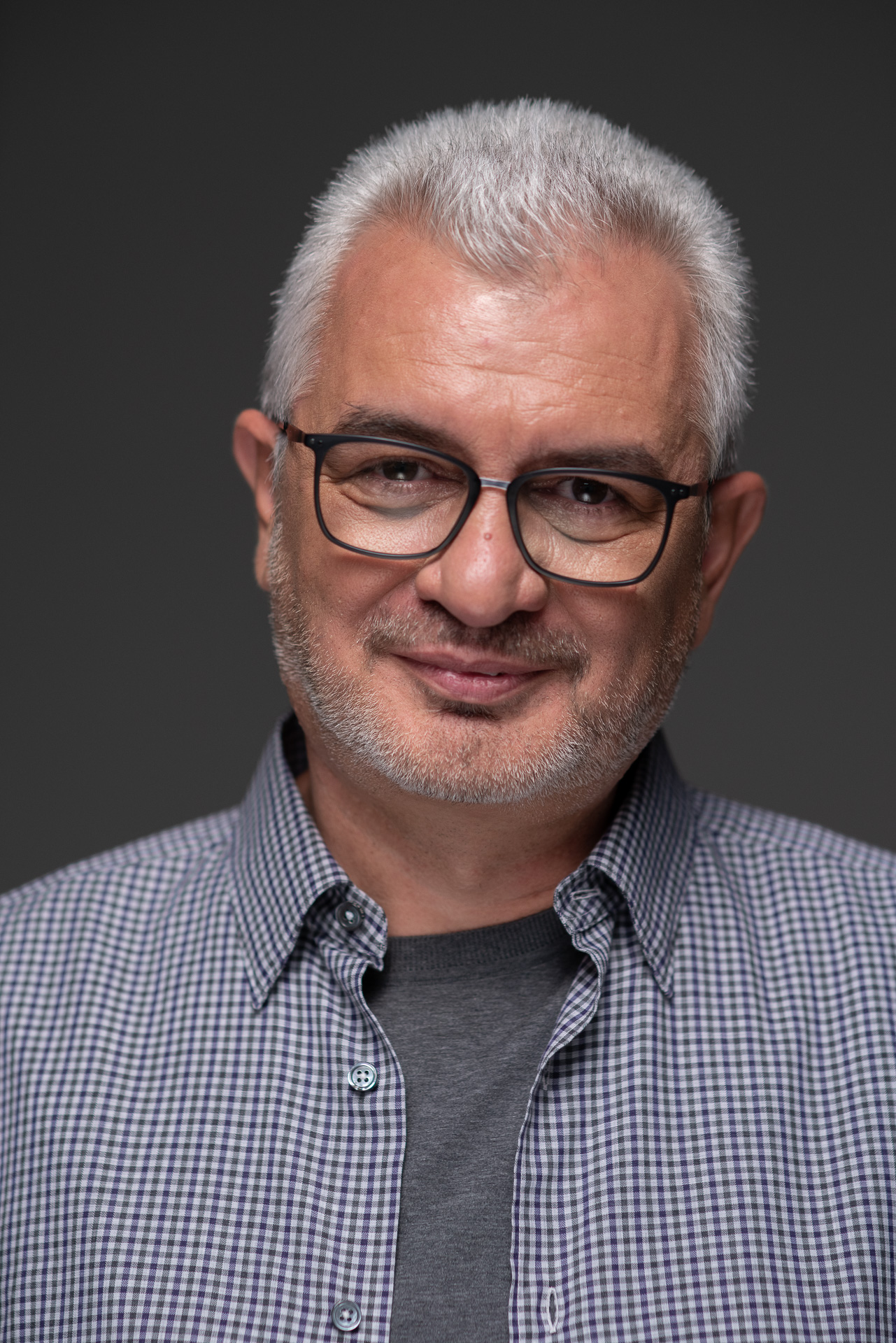 Emil Spahiyski, director
Toma Manov: When you were writing and directing the film, which contains some disturbing scenes from inside Bulgarian mental institutions, were you drawing from real-life insight into those places? Or were you more focused on the inner experience of dementia?
Emil Spahiyski: First of all, I want to say that the film is based on a short story by Yordanka Beleva. It’s a very small story, just half a page, but when I read it, it hit me like a punch in the nose. It’s not the kind of topic that inspires you, it’s the kind that frightens you. But I felt I had to tell it. It’s not only about dementia. Dementia, from what I’ve learned in my research, is one of the most frightening illnesses for the future. According to the World Health Organization, more than 90 million people suffer from it today. And many of them die in loneliness. This disease doesn’t ask the question “to be or not to be.” It deconstructs the soul, the personality. We spend our whole lives trying to perfect ourselves, to become better, more professional. And in the end, this illness takes it all away. It takes your memories, your identity, your dignity.
So my question wasn’t “how do we fight this illness?” but rather, “how do we survive it in our souls?” That’s why the film is called The Day She Will Be Born. The structure is built from fragments of memory, so the viewer can feel the fear of losing them, one by one. In the end, when you are no longer yourself, the only salvation is to be born again. That’s what the title means. And I dedicated the film to all the parents and elderly people who die alone in these institutions, forgotten by sons, daughters, relatives, governments. Forgotten by society.
Toma Manov: The film carries a strong emotional message throughout. But you still chose to end it with written words on the screen. Was there something that made you feel this was necessary?
Emil Spahiyski: Yes. Even toward the end of editing, people close to me were going through this. One friend’s mother developed dementia very rapidly. I sat next to her, and she was just... gone. She was alive, but not there anymore. She had already left. I felt I had to say something. That final message on screen was for all those people who feel helpless watching someone disappear while still living.
Toma Manov: This is your first time directing a film, even though you’ve worked as a journalist and writer. Did you face any particular difficulties during production?
Emil Spahiyski: Of course, like many of my colleagues here, we had almost no budget. Originally, we planned to shoot over six days, but we had to cut it down to two and a half. And still, everyone on the crew gave their heart. The production staff, the cameraman, even the medical consultants, they joined because of the story. Not for money. We had George Strezov, who’s worked with Hans Zimmer’s studio, composing the music. Bogdan Muresanu, my co-writer, who’s now won many film awards in Romania, joined us for free. When your story is powerful, you find friends. Unlike dementia, you’re not alone.
Interviewer: Toma Manov
Editor: Martin Kudlac


