


COLLECTABLE STORIES: THE BIRDS

THE BIRDS
Short Talk with Pedro Magano (director)
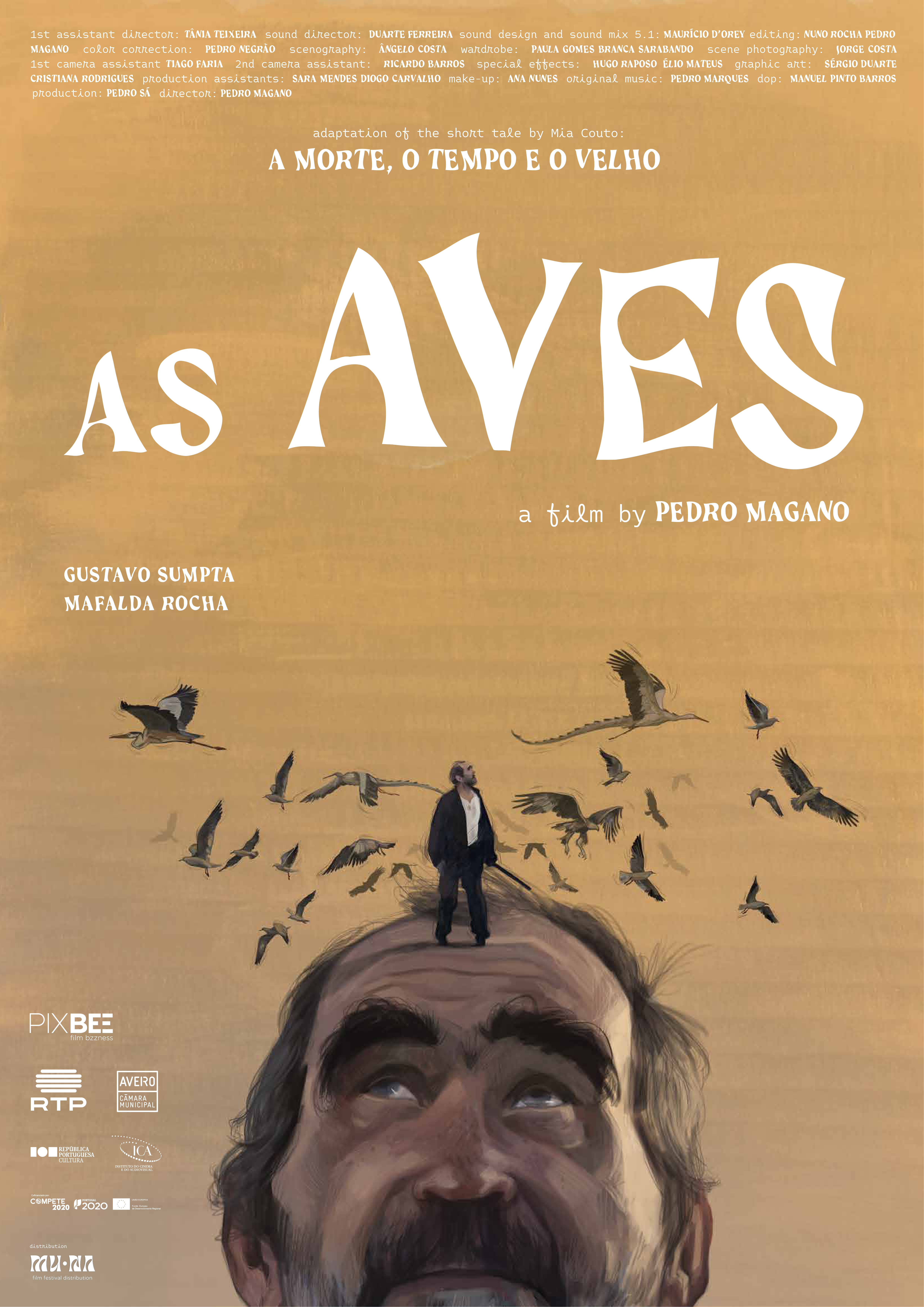
BEST FULL-LENGHT FILM Category
22nd IN THE PALACE International Short Film Festival 2025
Portugal, Fiction, Portuguese, 01:13:19, 2025
Synopsis: Isolated in a lifeless estuary with muddy banks, an old man who despises the gods lives alone, his only companion a caged cockatiel. To the bird, he confides his dreams of escaping his monotonous routine and founding a city where humans and birds can live freely. But Death is slowly approaching, accompanied by Time. Inspired by Mia Couto’s tale 'A Morte, o Tempo e o Velho' and Aristophanes’ play 'The Birds', this surreal fable delves into the relationship between humans, gods, and time, exploring the cycles of life and the quest for freedom.
Biography: Pedro Magano began his career as a camera operator and worked as a director of photography on film and TV. His directorial debut, the feature-length documentary OS IRMÃOS (2015), won the Caminhos do Cinema Português National Competition and the Golden Lynx award at FEST - New Directors/New Films. He’s directed and produced mainly documentaries that have been featured in festivals such as Festival Internacional de Cine de Gijón, É Tudo Verdade, DOCS MX, Festival de Cine de Cartagena, and others.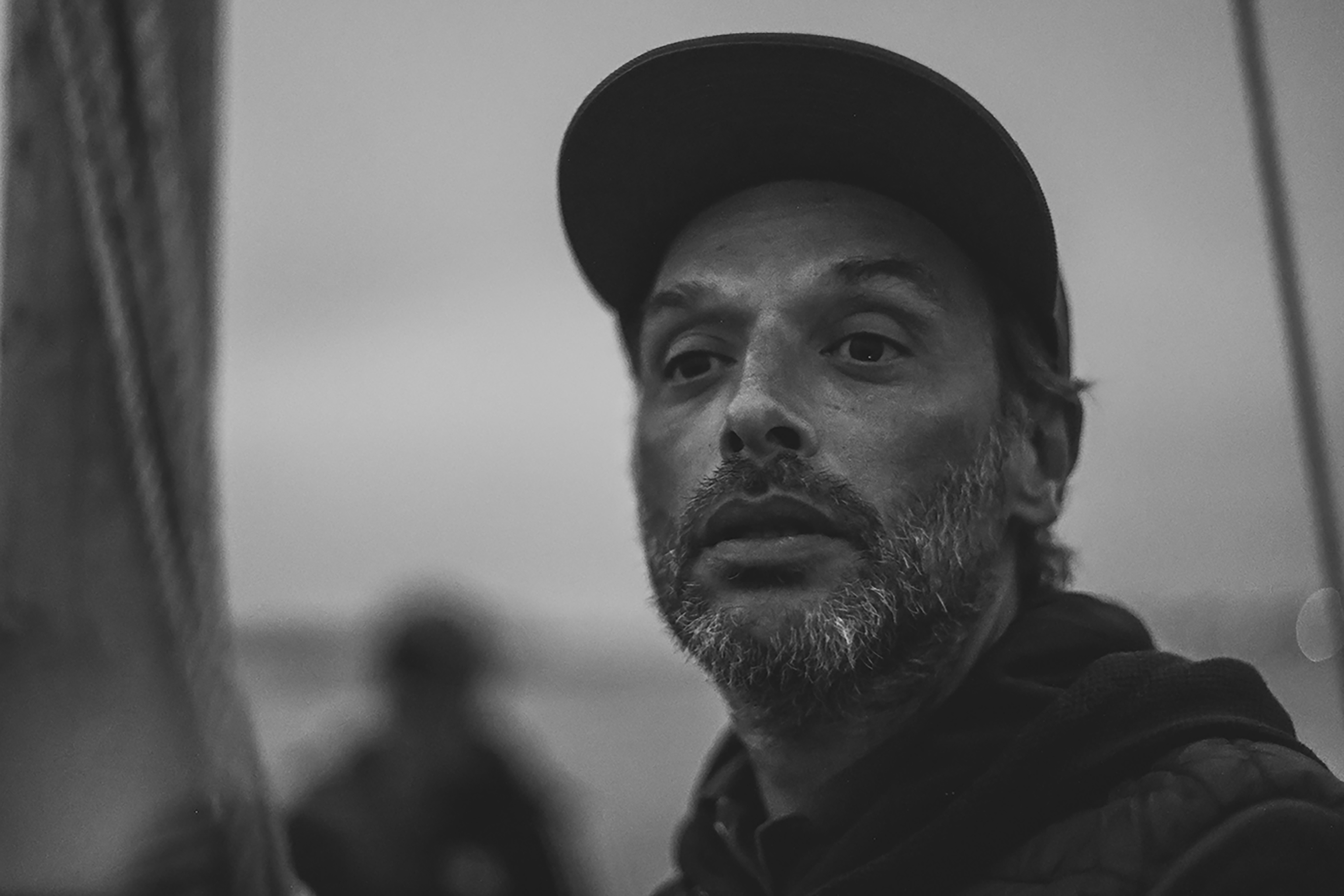
Pedro Magano, director
Petar Penev: I’d like to start with a question about the source material. From what I know, the film is based on two texts: the play The Birds by Aristophanes and a short story by Miyakoto. How did you find the balance between these two very different works, one traditional, one contemporary?
Pedro Magano: Thank you for the question. The adaptation from the short story is connected to the characters, the narrative, and the mission of the main character. From Aristophanes’ The Birds, I took the concept, the message, the world. So in a way, it was quite natural to bring them together.
Petar Penev: From your biography, I understand this is your first feature-length fiction. Before that, you worked in documentary. Did your documentary background influence how you approached this film?
Pedro Magano: Yes, absolutely. We began the shoot with a full script, but from my documentary point of view, I like working with improvisation. We only had a schematic structure, and during the shoot, I was rewriting the script together with the team, and especially with the actors.
Petar Penev: That makes me curious, what is something you hadn’t considered before shooting, but that ended up in the final film?
Pedro Magano: The visual effects. At first, I didn’t know whether I would actually show the birds or not. In the end, there are only two shots with visual effects, but I didn’t realize at the beginning that I would need them at all.
Petar Penev: The location plays a huge role in the film, it reflects the inner world of the main character, and it’s stunning. How long did it take you to find it?
Pedro Magano: That was the easiest part, it’s my hometown. The landscape is a kind of homage to where I come from, so I knew it well. In a way, the swamp in the film is my homage to my roots.
Interviewer: Petar Penev
Editor: Martin Kudlac
Petar Penev’s Take
The Birds is a contemplative Portuguese feature film that explores mortality, the passage of time, and the yearning for liberation. Drawing inspiration from Mia Couto’s short story A Morte, o Tempo e o Velho and Aristophanes´ ancient play that lends the film its title, the film weaves mythological elements with philosophical reflections.
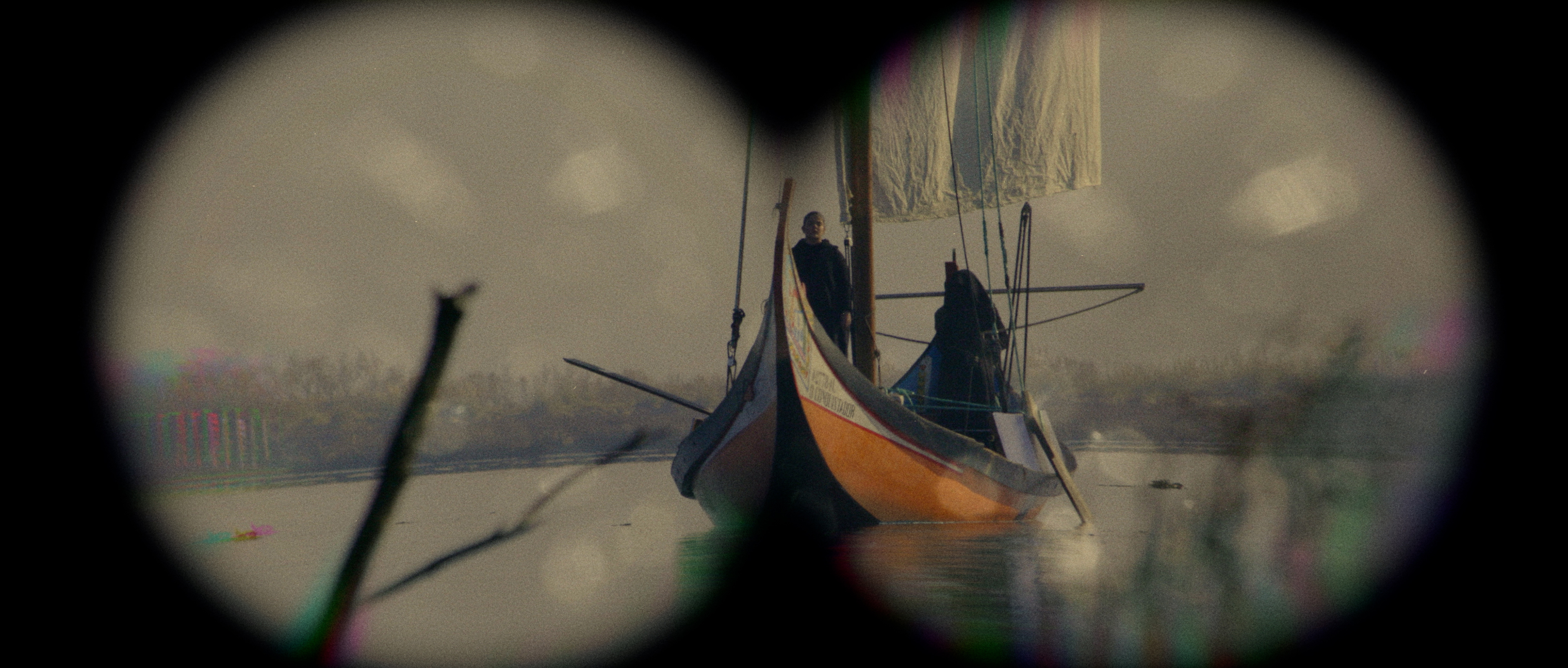
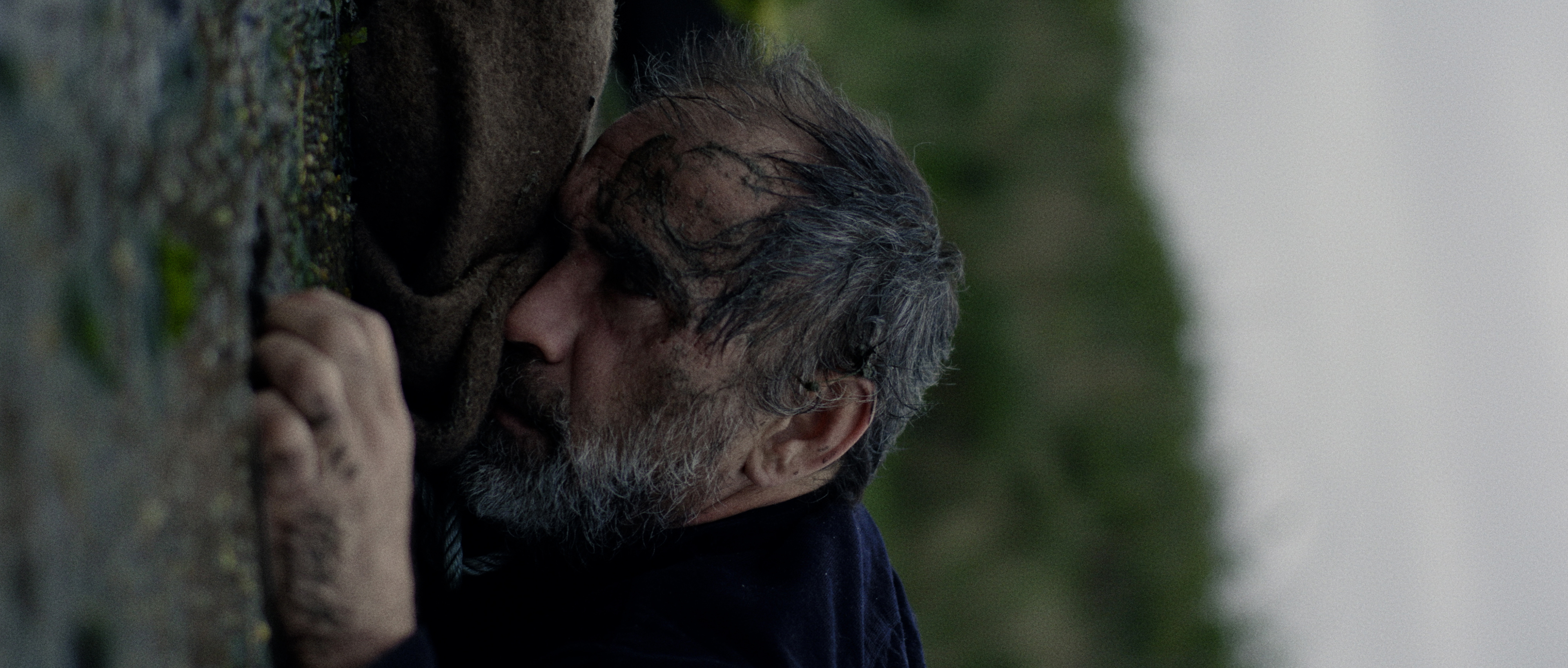
Set in the desolate landscape of the Aveiro lagoon, the film follows an elderly man who lives in isolation harbouring disdain for the gods, accompanied only by a caged cockatiel. He shares his aspirations with the bird, dreaming of establishing a city where humans and birds coexist freely. This fragile vision is unsettled when Death and Time appear, forcing him to confront the limits of his desires and beliefs.
The film adopts a muted colour palette that mirrors the bleakness of its surroundings. Cinematography by Manuel Pinto Barros emphasises the vast, emptied estuary, enhancing the film’s introspective tone. The narrative unfolds in a cyclical manner, reflecting both the repetition of human existence and the inescapable flow of time.
The Birds’ narrative structure and thematic concerns draw heavily from Aristophanes’ The Birds, which explores the creation of utopian society by humans and birds. Magano’s adaptation reimagines this concept, infusing it with contemporary existential questions. The influence of Mia Couto introduces elements of magical realism, blurring the lines between reality and myth.
The central performance by Gustavo Sumpta conveys the protagonist’s inner tension with restraint and nuance, while Mafalda Rocha’s presence as the cockatiel adds a symbolic layer, functioning as both companion and confidante. The Birds examines transience and the human search for meaning through a careful interplay of mythological reference, philosophical reflection, and visual composition. Its deliberate pacing supports a reflective mode, encouraging consideration of time, mortality, and the conditions of freedom.


