


COLLECTABLE STORIES: SPOT

SPOT
A Short Talk with Stjepan Hren (editor)
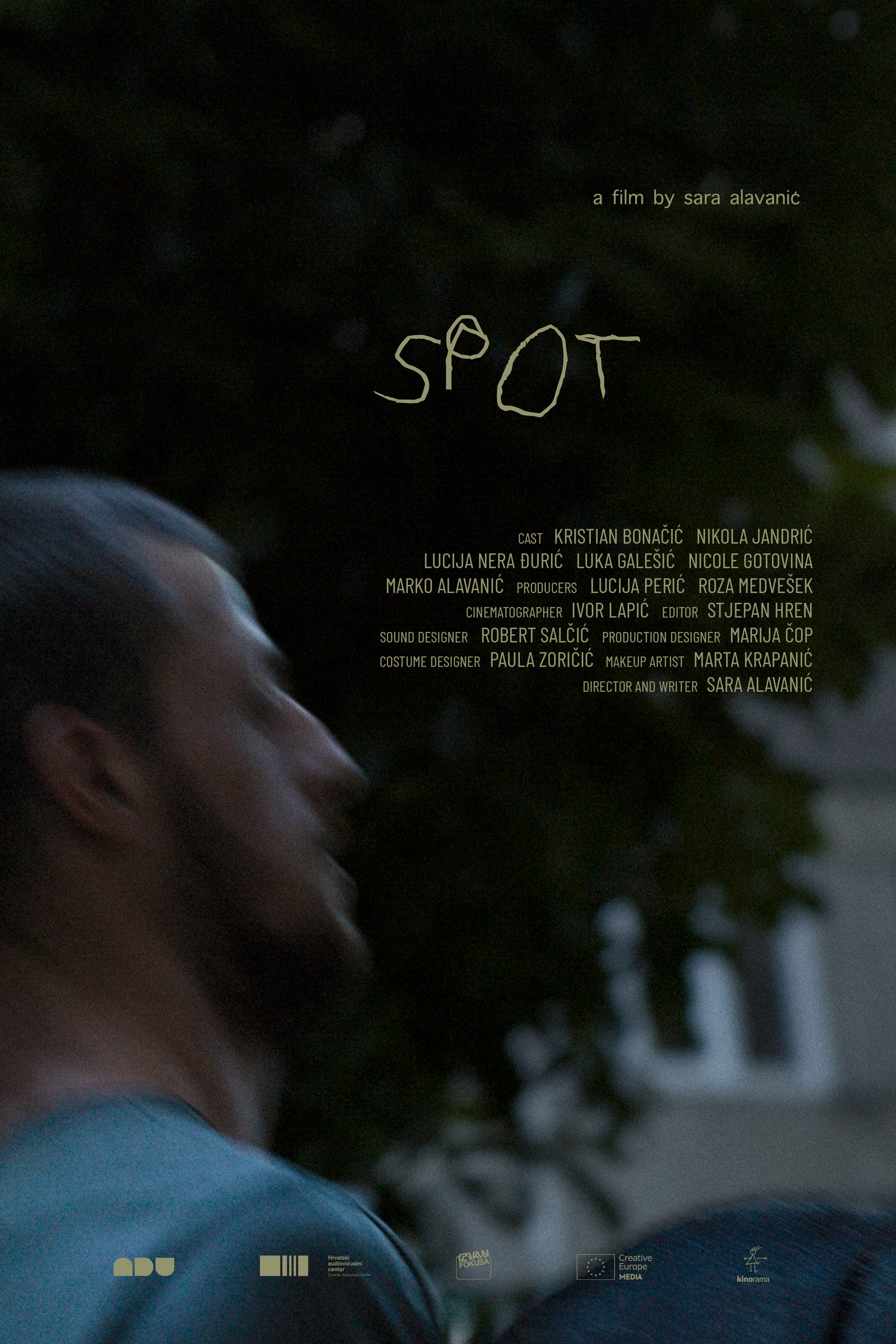
BEST STUDENT FICTION Category
22nd IN THE PALACE International Short Film Festival 2025
Croatia, Fiction, Croatian, 00:21:36, 2024
Synopsis: Fleka doesn’t leave the vicinity of his building. He spends time with his neighbors and occasionally skateboards. Since his mom ended up in a psychiatric clinic, his best friend is his only family. Sometimes, he passes the time with a neighbor who has mental health issues and has adopted a pig. Soon, he realizes that this neighbor is his only friend.
Biography: Sara Alavanić (Croatia, 1998) studies Film and TV Directing (MA) at Zagreb’s Academy of Dramatic Arts. She previously earned a degree in Graphic Design from the Faculty of Graphic Arts. She is a member of Blank_Film Incubator, where she directed her first films People Stink, But They’re Warm (Pula Film Festival 2020) and Do You Feel Nervous When I Approach You? (ZagrebDox 2020). Her most recent film Spot, premiered at Zagreb Film Festival (2024) and won the Golden Pram.
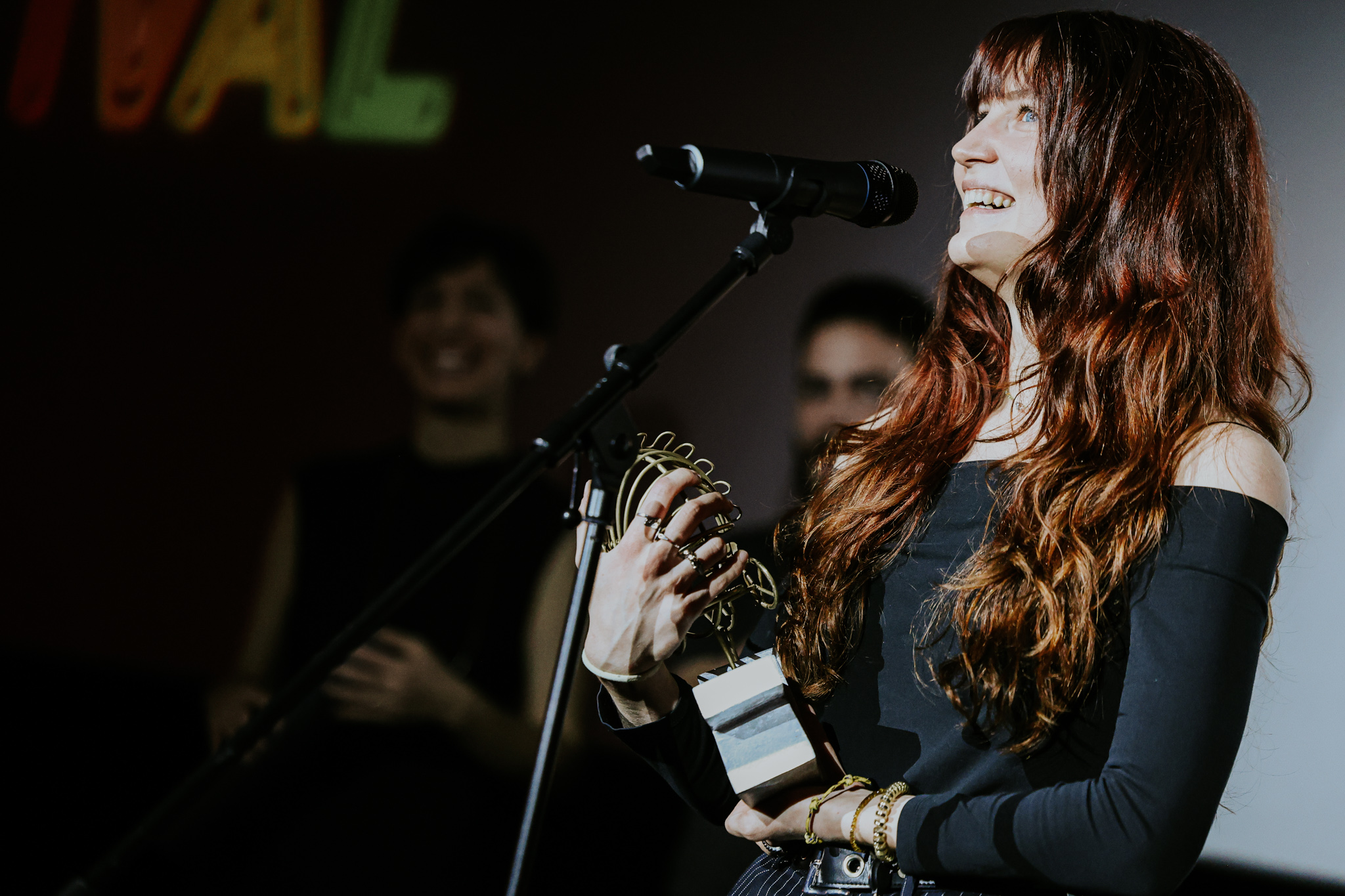 Sara Alavanić, director
Evgenia Evtimova: The film features some dreamy visuals, almost like it was shot on film. Was this the original look of the footage, or did you create it in post? What was the intention behind it?
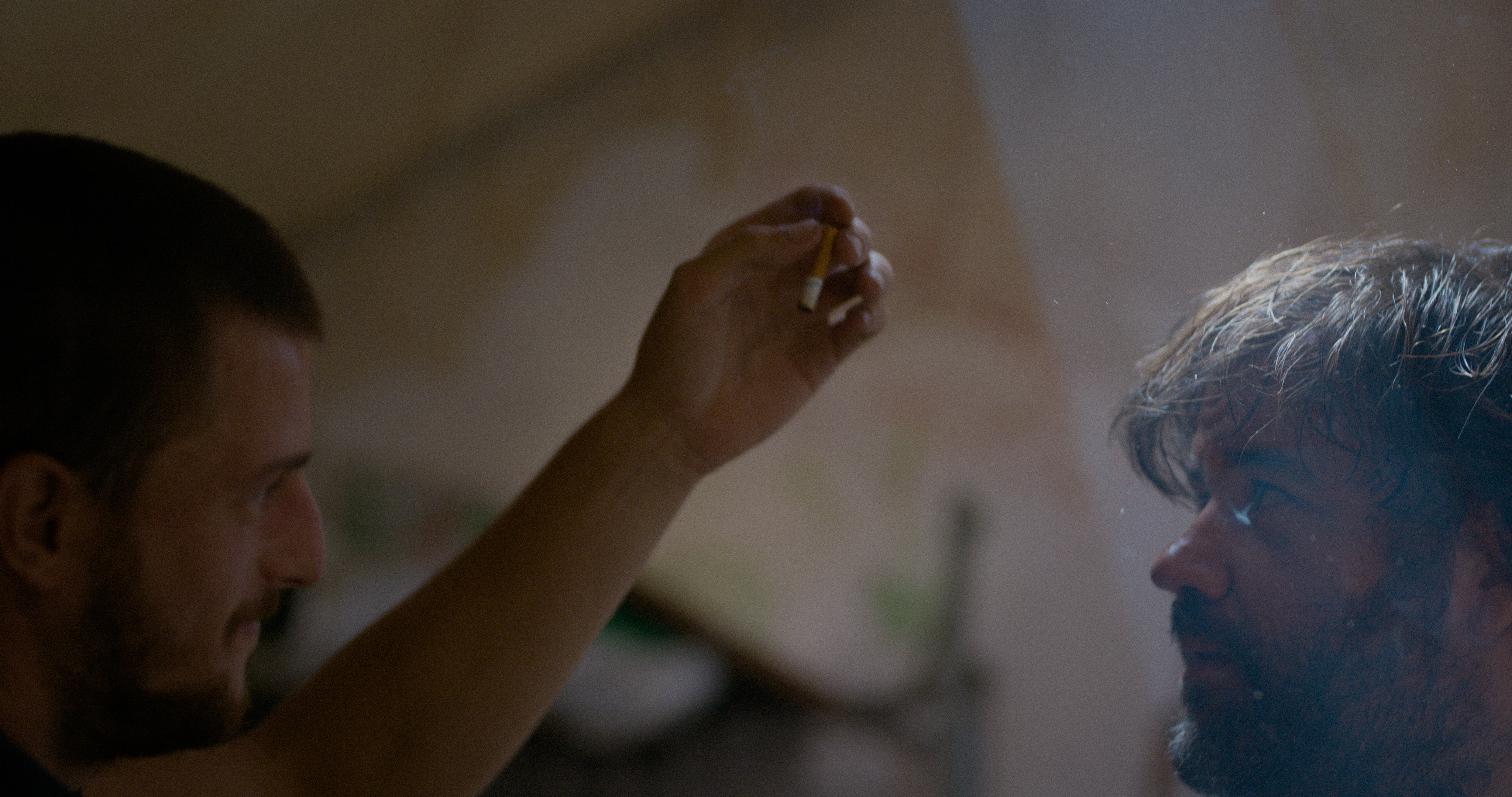
Stjepan Hren: The footage was already beautifully shot and perfectly recorded. But since there was a lot of improvisation during the shoot, the acting ended up defining the film’s story. In the early stages of editing, we realized we had to throw out the script, it just didn’t work anymore. The first rough cut was nearly 40 minutes long, so we had to cut a lot. The biggest challenge was finding the right narrative structure, and shaping the version of the film that felt right to us. It took us about half a year to get there, which is a long time for a short film.
Evgenia Evtimova: From what you're saying, it sounds like you ended up with something closer to documentary material, everything improvised and reconstructed in the edit.
Stjepan Hren: Exactly. The B-roll you see, those looser, more observational moments, that’s actually documentary footage. The rest of the film isn’t strictly documentary, but it’s definitely unconventional for fiction. A lot of what made it into the final cut were moments filmed before the actors “officially” started acting. So yes, in that sense, it carries a documentary feeling. Still, I wouldn’t call it a hybrid.
Evgenia Evtimova: One moment that stood out to me was the sound match between the pig eating and the kissing scene, how did that transition come about?
Stjepan Hren: Ah yes, the pig. That was actually one of the trickiest elements. We kept asking ourselves: what does it even mean? But we knew it had to be present throughout the entire film. That specific cut, the transition between the pig and the kiss, came mostly from intuition. We tried a lot of different things, and that just clicked. Many of the film’s transitions were built the same way, experimenting and feeling our way through.

Evgenia Evtimova: There are some very intimate scenes in the film. Often people ask the director how those were handled on set, but we forget that someone also has to watch, and edit, that footage. As the editor, how did you approach these moments?
Stjepan Hren: Actually, the director is my girlfriend, so I was involved from the very beginning, even in pre-production. I was also on set and got to know the actors well. I saw how those scenes were rehearsed and filmed, so by the time I got to editing, it all felt very natural to me. And honestly, it wasn’t the first time I had to edit something like this.
Interviewer: Evgenia Evtimova
Editor: Martin Kudlac
Evgenia Evtimova’s Take
Sara Alavanić directs a fiction film that feels unmoored from the typical contours of scripted story in Spot. Set in the close radius of a housing block, the film lingers with Fleka, a young man who never strays far from home. With a mother in a psychiatric institution and few connections beyond a mentally fragile neighbor and an oddly charismatic pig, Spot unfolds in a realm of quiet melancholy, its drama nearly subliminal, but emotionally textured.
Editor Stjepan Hren’s contribution is especially notable, not least because the film's post-production phase essentially reimagined the project from the ground up. Shot with significant improvisation and later stripped of its original script, Spot required a form of editorial authorship that borders on co-creation. The final shape of the film is, in many ways, a documentary built from fiction footage, or more precisely, a fiction film sculpted from unscripted moments or between takes of the actors’ performances. Hren describes a rough cut that stretched to nearly 40 minutes. Whittling it down to a compelling, narratively cohesive short took over six months.
Spot opens with dreamy, slightly softened textures of film footage, evoking 16mm grain or light leaks, as if refracted through memory. While the footage was captured cleanly, the post-processing lends the material a sense of remove, or of faded emotional immediacy. This aesthetic gently suggests Fleka’s dissociative state: emotionally locked in place, yet permeable to oddity and warmth.
One of the film’s most notable editorial choices, a match cut that transitions from a kiss to a pig chewing, embodies the tonal tightrope Spot walks. What might risk absurdity instead deepens the film’s emotional ambiguity. The smacking of lips, both human and porcine, becomes a rhythmic and conceptual hinge, folding affection, isolation, and absurdity into a single image-sound collision. Hren notes that this transition, and others like it, were intuitive rather than schematic, a fitting approach for a film whose narrative was assembled more by tonal calibration than plot.
The B-roll footage interspersed throughout was largely observational, collected additionally and randomly. These fragments are not purely functional, rather, they anchor the film in its environment and lend it a slightly documental tonality without declaring it a hybrid. This, combined with the improvised takes, lends the whole film a sense of delicate verité, a fiction suspended just before it solidifies.
Intimacy, both thematic and practical, is central to Spot. Hren, who is in a personal relationship with the director and participated in pre-production, notes that this proximity helped him navigate the film’s more vulnerable scenes. His familiarity with the material, the actors, and the intent behind the film allowed him to edit without discomfort, though it's a useful reminder that editors, like actors and directors, are implicated in the emotional labor of filmmaking, particularly in such intimate work.
Spot resists conventional classification. It’s neither fully fiction nor documentary, but instead a mood, assembled patiently, with care and instinct. It’s a film where the edit doesn’t just serve the story, it becomes the story.


