


COLLECTABLE STORIES: PIZZA FLASH

PIZZA FLASH
Short Talk with Luca Guanci (director)
.jpg)
BEST SHORT STUDENT FICTION FILM Category
22nd IN THE PALACE International Short Film Festival 2025
Italy, Fiction, Italian, 00:15:52, 2024
Synopsis: In a world where the meaning of things seems to slip away, a young couple sells poetic VHS tapes to help people remember.
Biography: Luca Guanci, born in 2001 in Milan, is a young director and graduate student in Cinema at IULM University. His work focuses on cinema as a place of thought. After working as a videomaker, Luca redefined his relationship with images, distancing himself from the idea of them as products. For him, images contain a deep reflection on the contemporary, where the past, present, and future intertwine in a time that seems lost but remains alive like a ghost in our collective imagination.
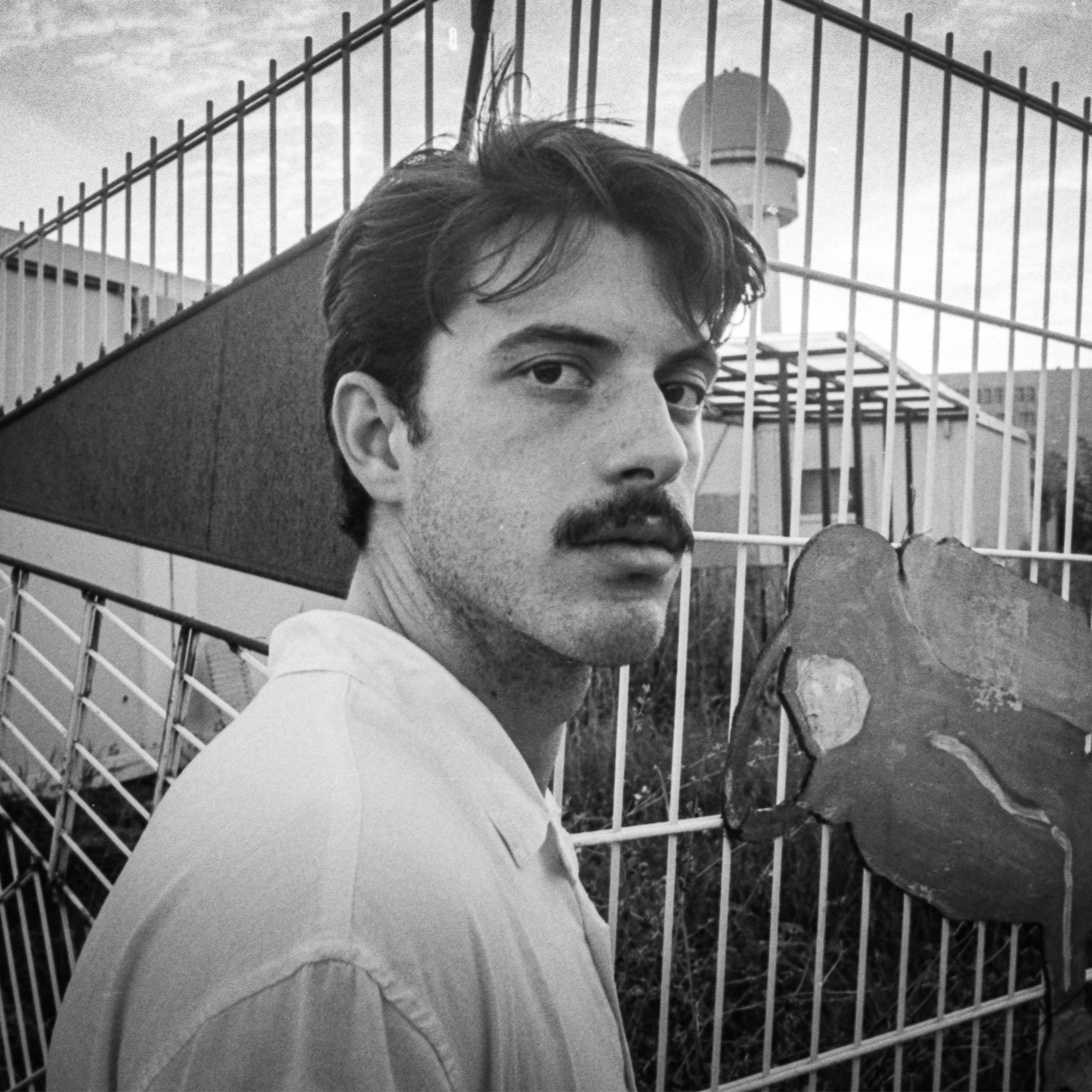 Luca Guanci, director
Kaloyan Vasilev: What exactly is Pizza Flash? In the film, they’re delivering VHS tapes, but what’s the concept?
Luca Guanci: Basically, yes, they deliver poetry on VHS tapes, as if it were a pizza delivery. People call them when they want to watch something, sometimes a documentary, sometimes a slideshow, so it’s like bringing an experience to people who might not remember the feeling they’re looking for.
Kaloyan Vasilev: Early in the film, there’s an interesting parallel montage: a girl falls asleep, and we see her walking through a tunnel toward something on the ground. It feels very different from the rest of the film. Can you explain that?
Luca Guanci: We were working with a lot of different kinds of images, slideshows, videos, and we wanted to also include mental images. Dream images are still images; they’re literally imaginations. And because the film is about images and our relationship to them, it felt natural to bring those into the narrative.
Kaloyan Vasilev: And who took all these images? There are pictures from all over the world.
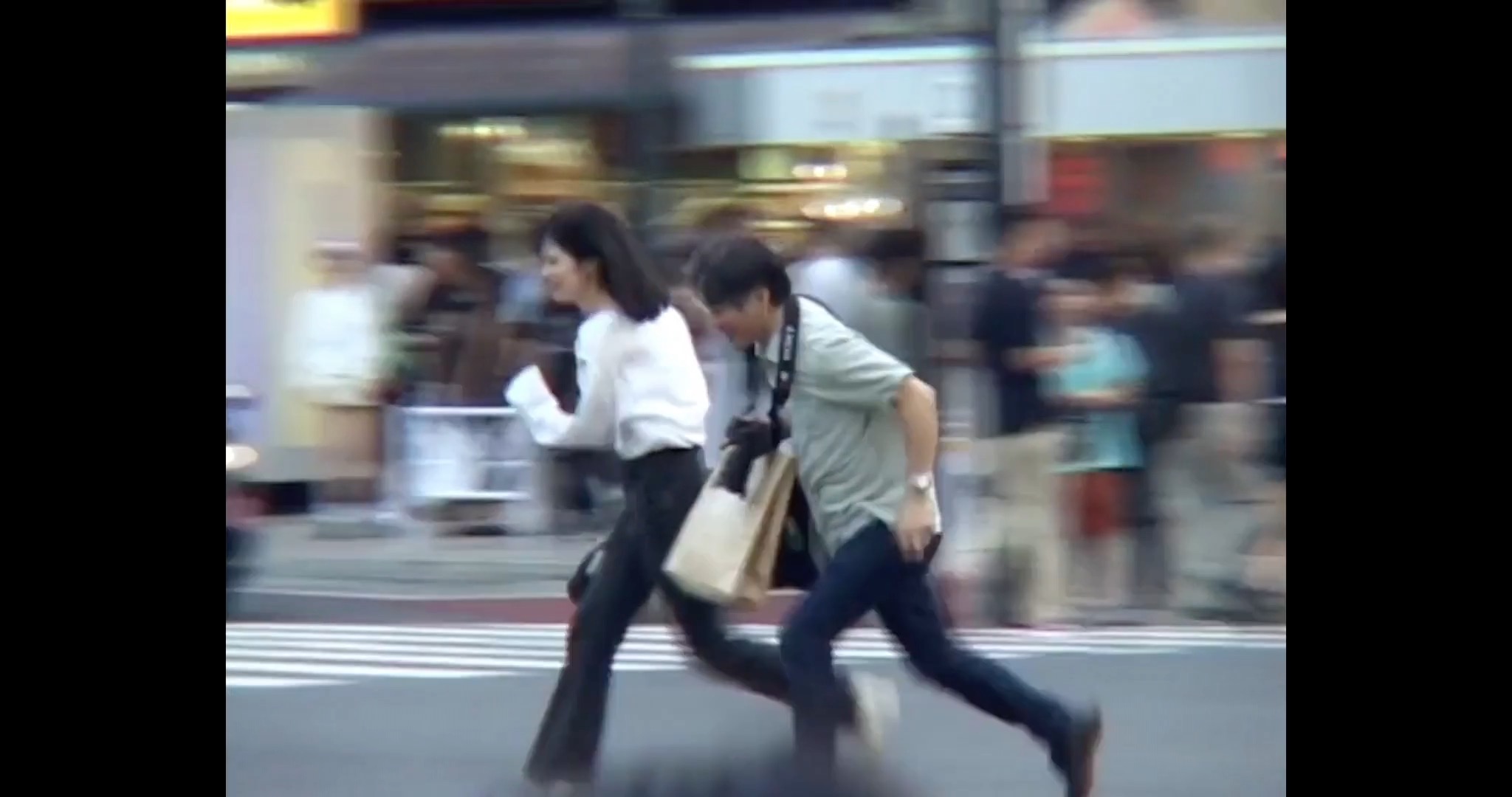
Luca Guanci: They came from many places and times, slides from my family, slides from his family, found photographs, and video footage I had shot in Japan two years before we started filming Pizza Flash. We re-filmed that material off a TV screen. We also used images from within the room where much of the film takes place.
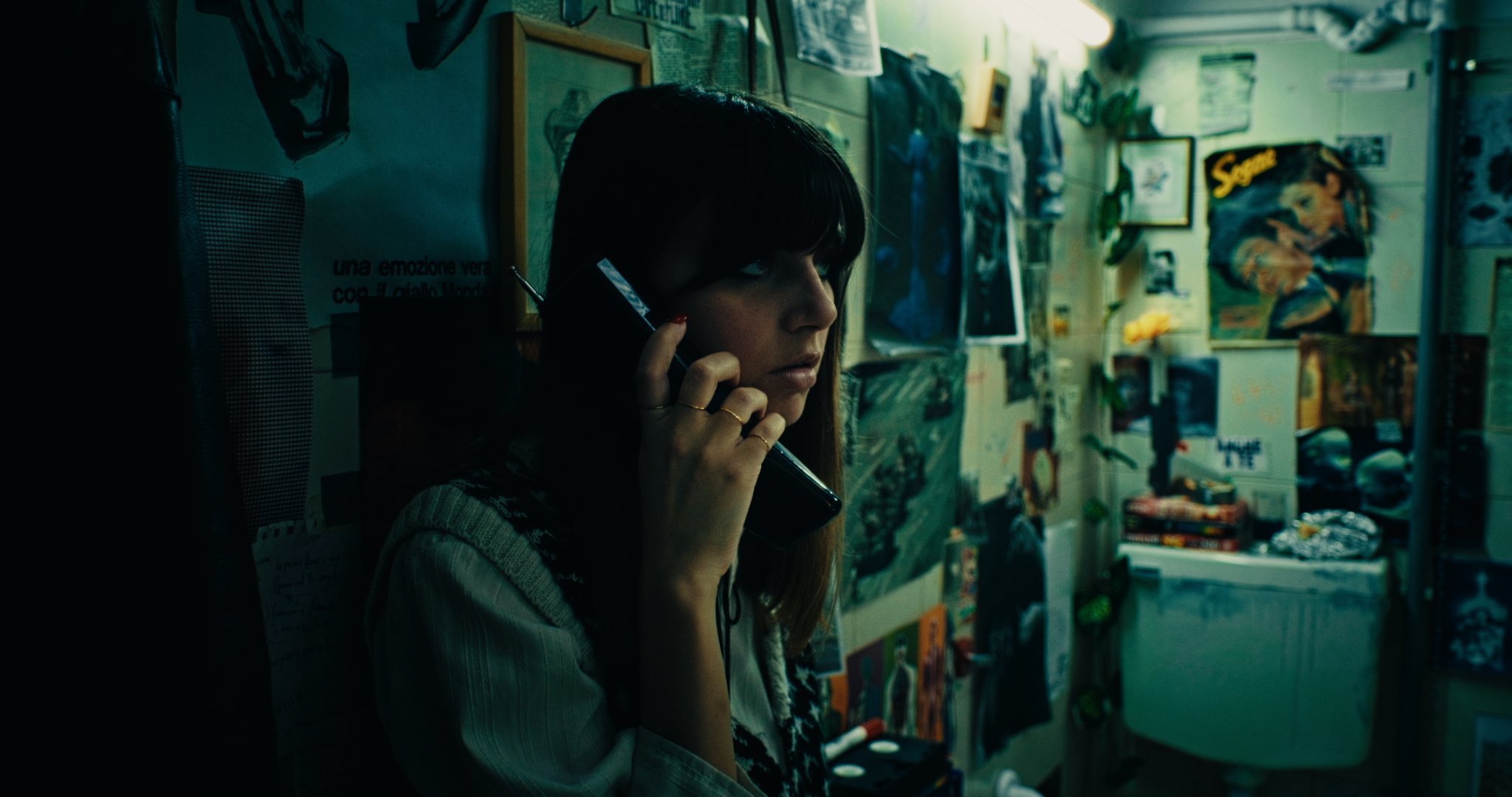
Kaloyan Vasilev: Speaking of the room, it’s very detailed. At one point we see it before shooting, empty, which creates a strong contrast.
Luca Guanci: Yes, the room was carefully built up with images, and showing it empty was a way to highlight that contrast.
Kaloyan Vasilev: You’re the director and assistant director, had you worked together before?
Luca Guanci: No, this was actually the first real project we did together. We’d studied together but hadn’t known each other long. This film started our collaboration, and we’ve been working together since.
Kaloyan Vasilev: So you’ve developed some professional chemistry?
Luca Guanci: Yes, we even formed a collective called Enderwelt, “the end of the world,” where we explore the idea of images at the end of the world.
Kaloyan Vasilev: What’s next for you?
Luca Guanci: China. We’ll be premiering it at the East Kaifeng Festival, and we’re also developing our first feature-length documentary. For that one, we’ll be co-directing in the same place, at the same time, just the two of us.
Kaloyan Vasilev: These are still student projects, correct? Did you have any support from your school?
Luca Guanci: No. We didn’t even seek it. In the credits we thank the Italian director Michelangelo Frammartino, he was our teacher, but his help came on a personal level, through conversations about the film, not from the university.
Kaloyan Vasilev: One last technical question, what lens did you use? The home scenes have a wide-angle, almost fisheye look.
Luca Guanci: That’s a very wide-angle lens. We were shooting in a toilet, about two meters by two, so it was extremely tight. We needed separation between the characters and enough space for a master shot. That’s why we used a 7mm lens. It wasn’t an aesthetic choice, it was a necessity. But later, it reminded us of Wong Kar Wai’s Hong Kong films, so we used it again for the motorbike scene.
Interviewer: Kaloyan Vasilev
Editor: Martin Kudlac
Kaloyan Vasilev’s Take
Pizza Flash, a 16-minute Italian student short by debut filmmaker Luca Guanci, focuses on a couple working as videotape deliverers. They take orders, script, shoot, voice-over, and deliver personalized tapes, services meant to help clients remember what they’ve forgotten: not just events, but the feeling and meaning of things. But this comes at the cost of their own private life.
While the premise is thought-provoking, the film’s real strength lies in its execution and its layered visual detail. Shot with two lenses, one of them wider, the film creates a subtle “fishbowl” effect that distances the characters from each other. Though originally a practical choice, this distortion becomes symbolic of the growing emotional gap between them. The story unfolds almost entirely in a single-room apartment, a bathroom that doubles as their office. Every surface is plastered with posters, photos, newspaper clippings, and even an electric sign, a visual archive of years spent working together. This dense backdrop is later contrasted by a short, barely noticeable extract: the same space, emptied out, white and bare.
Pizza Flash also weaves in fragments, slideshows, videotape recordings, memory visuals, and shadow work that gradually build a disjointed, immersive, and almost dystopian atmosphere. The color grading is subdued and cold, further supporting this mood.
In this near-future world, people have forgotten what feelings feel like, be it hunger or love. The couple, caught in a 24/7 home-office loop, slowly deteriorate under the weight of their work. The rapid cuts at the beginning subtly highlight the passage of time, suggesting repetition without renewal. Their labor becomes a sacrifice: they give their energy so others can feel. But they are left with nothing for themselves.
The only moment of emotional reconnection comes at the end, when they watch images from the past together. Yet even this is subdued. Their dialogue is fragmented and dry, short, functional exchanges. It's not that they dislike each other. They simply have no energy left to act on the intimacy that once existed.
Pizza Flash is the serial piece of evidence presented at IN THE PALACE that a good film is a good film, no matter how young a filmmaker is, nor at what stage of their career they are. The film offers a poetic yet unsettling look at emotional burnout and memory erosion in an overworked society. Through minimal resources and maximal intention, Guanci delivers a visually rich, thematically resonant short that feels eerily close to reality.


