


COLLECTABLE STORIES: PARADISO

PARADISO
Short Talk with Ivan Dimitrov (director) and Lucía Zamora (actress)
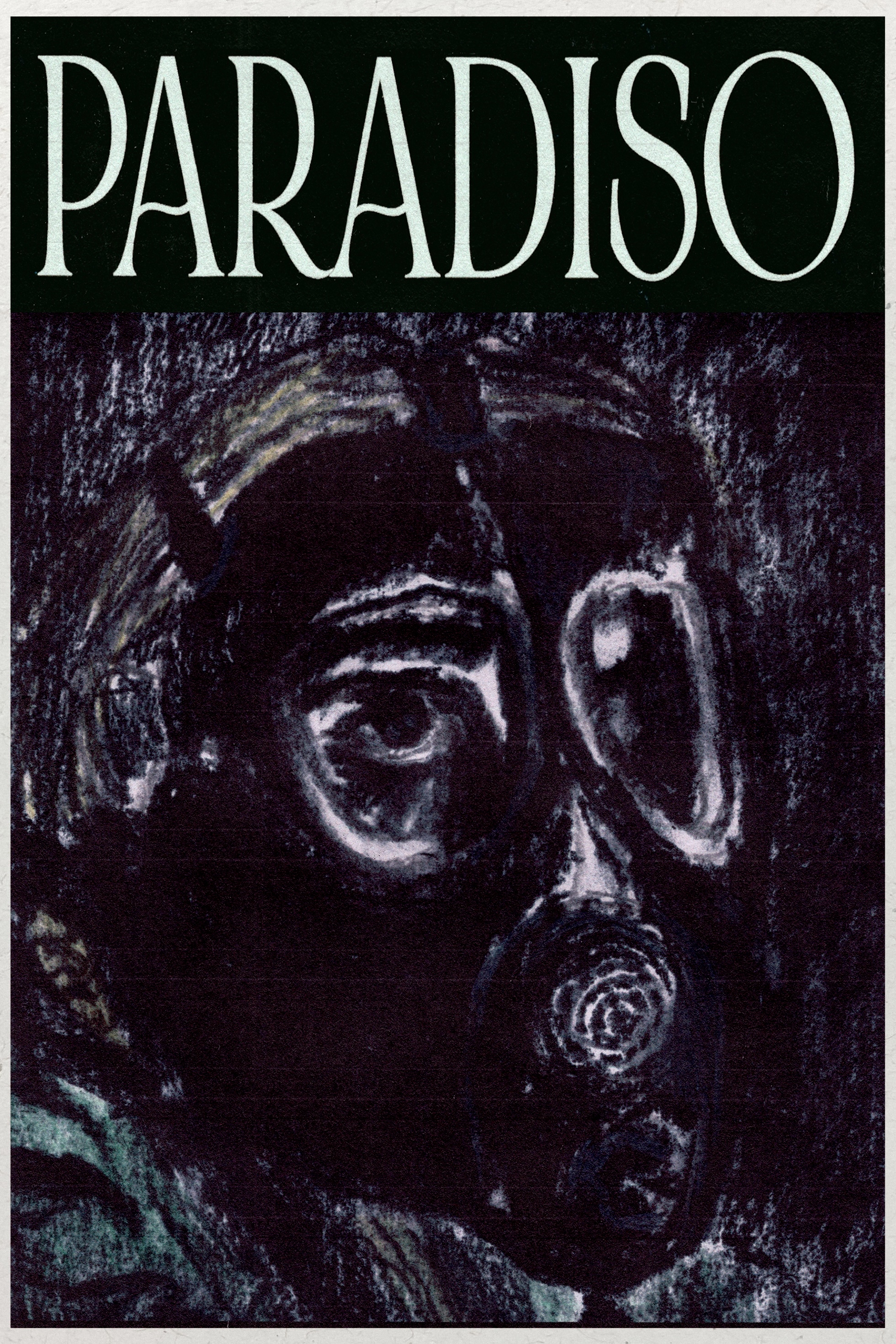
BEST SHORT FICTION FILM Category
22nd IN THE PALACE International Short Film Festival 2025
Spain, Fiction, Bulgarian, 00:13:44, 2024
Synopsis: Inside a cold and rusty bunker, Irina and Georgi endure the aftermath of a nuclear holocaust. Georgi's heavy radiation sickness and imminent death prompts Irina to repair his old and beloved guitar so he can hear it one last time.
Biography: Ivan Dimitrov is a Bulgarian-Spanish filmmaker. He studied at the ECAM school in Madrid. He has worked as a director and screenwriter on short films such as Paradiso (2025), Silencio (2024) and Negativ (2023). All his films are set in dark landscapes where the protagonists fall into madness and have to face themselves and the world around them. History, religion and the ethereal are recurring themes in Dimitrov's films.
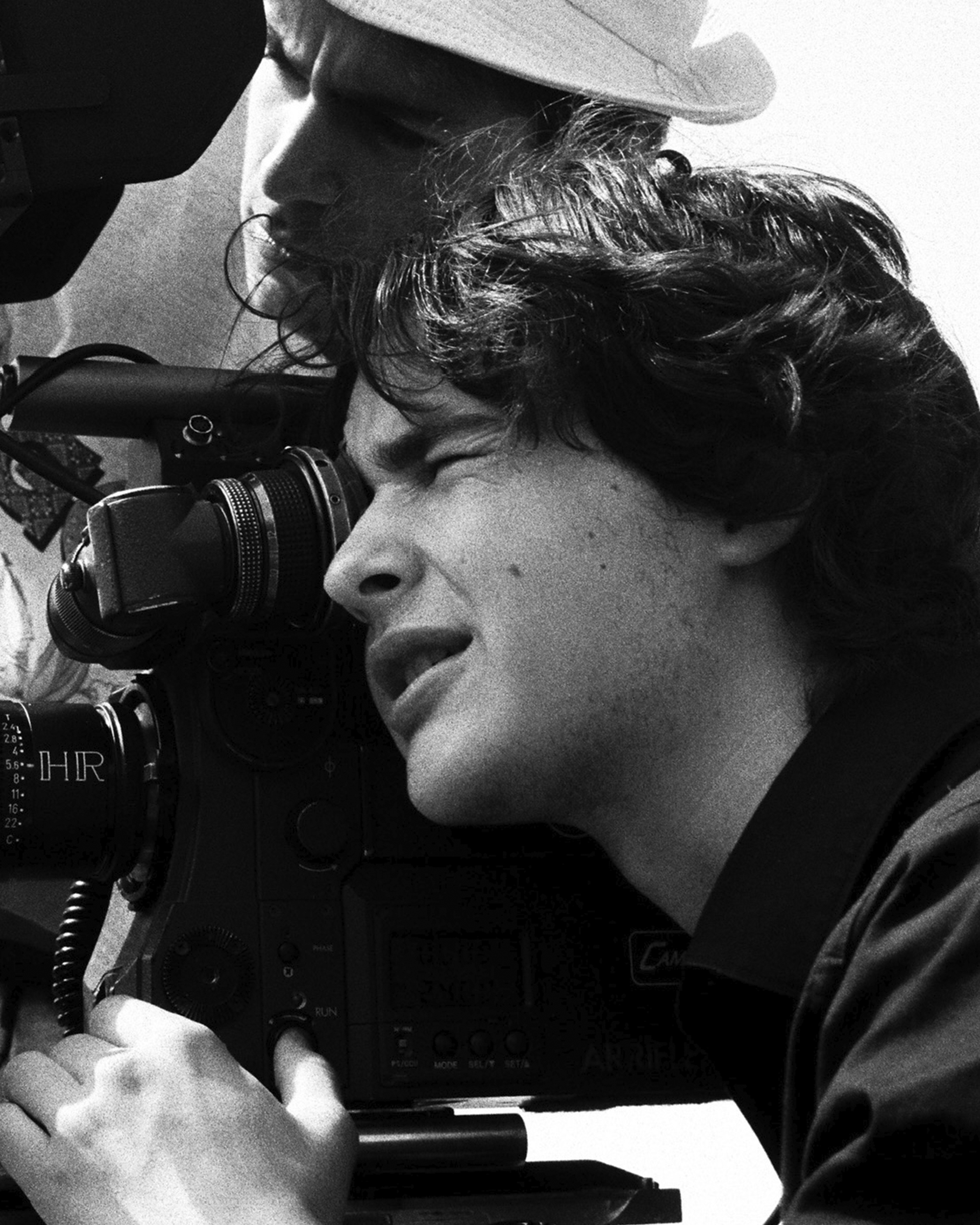 Ivan Dimitrov, director
Raya Hristova: In the film, you open with a quote from the Book of Revelation. What’s the connection?
Ivan Dimitrov: The film is about an apocalyptic Bulgaria, or an apocalyptic world in general, after a nuclear explosion. There’s this whole theme of the end of the world, so the Book of Revelation fit perfectly. It also ties into the fate of one of the characters, essentially foreshadowing their ending.
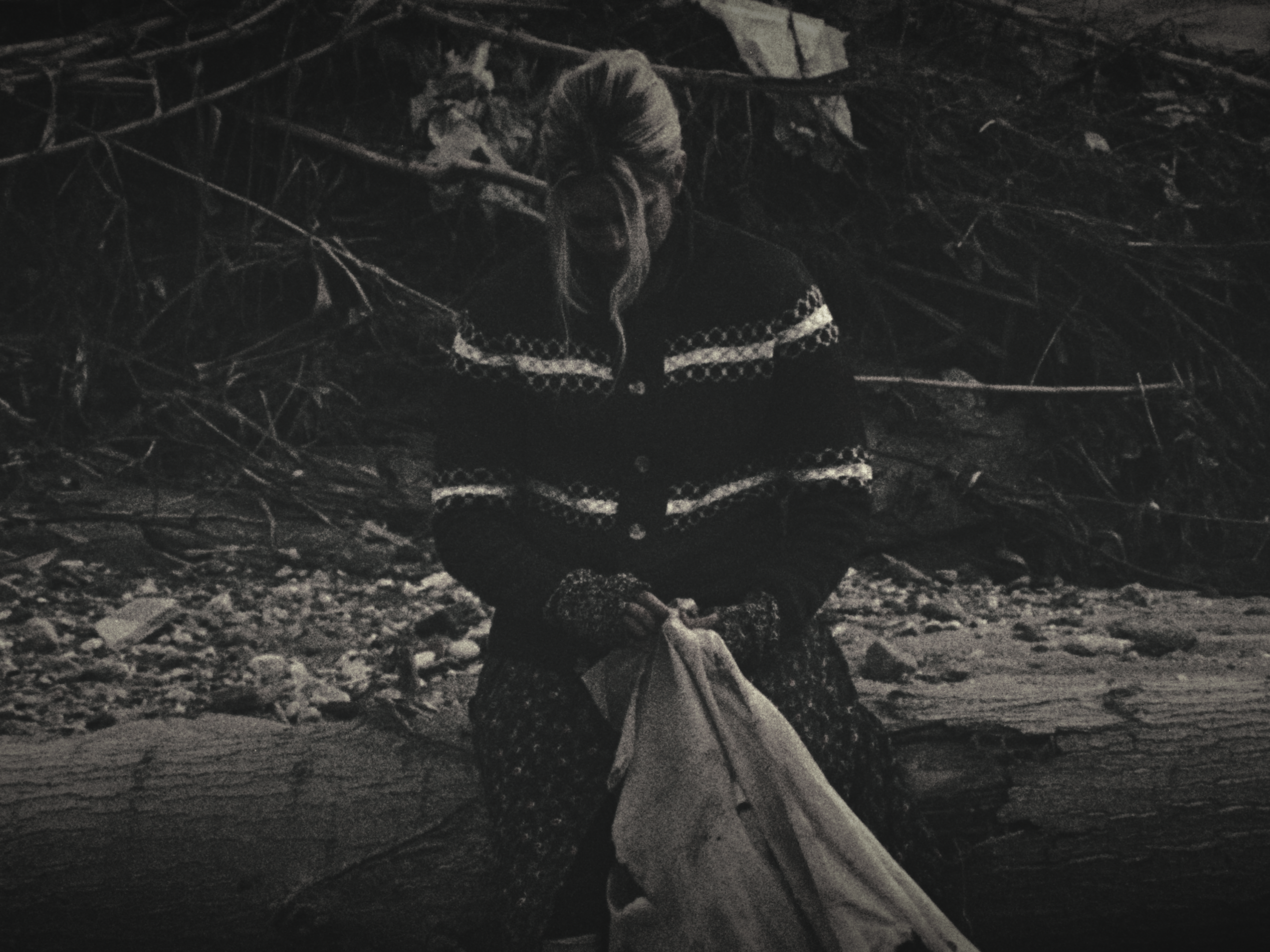
Raya Hristova: We see two characters in the film, and Lucia, you play one of them. Can you tell us about your role and how you prepared for it?
Lucía Zamora: I play a Bulgarian woman in this post-apocalyptic world. She’s taking care of her ill boyfriend, who’s sick because of the environmental disaster. Preparation was interesting because Ivan is a very technical director, he focuses more on the composition of images than on overt emotional expression. I’m from southern Spain, and I’m naturally very expressive, so it was a challenge to adapt to his style, which often meant stripping away expression completely.
At the same time, I had to maintain the emotional truth of a woman going through such a hard time, caring for someone when she has no one to care for her in return. Another challenge was that Ivan likes to use very long takes. I had to maintain intense emotional states, like crying, for four minutes straight. It was a great learning experience as an actor, adapting to long, uninterrupted scenes and whatever complications came up.
Raya Hristova: How did you manage the visual effects, things like the fog, the distinctive colors, and that old-tape atmosphere?
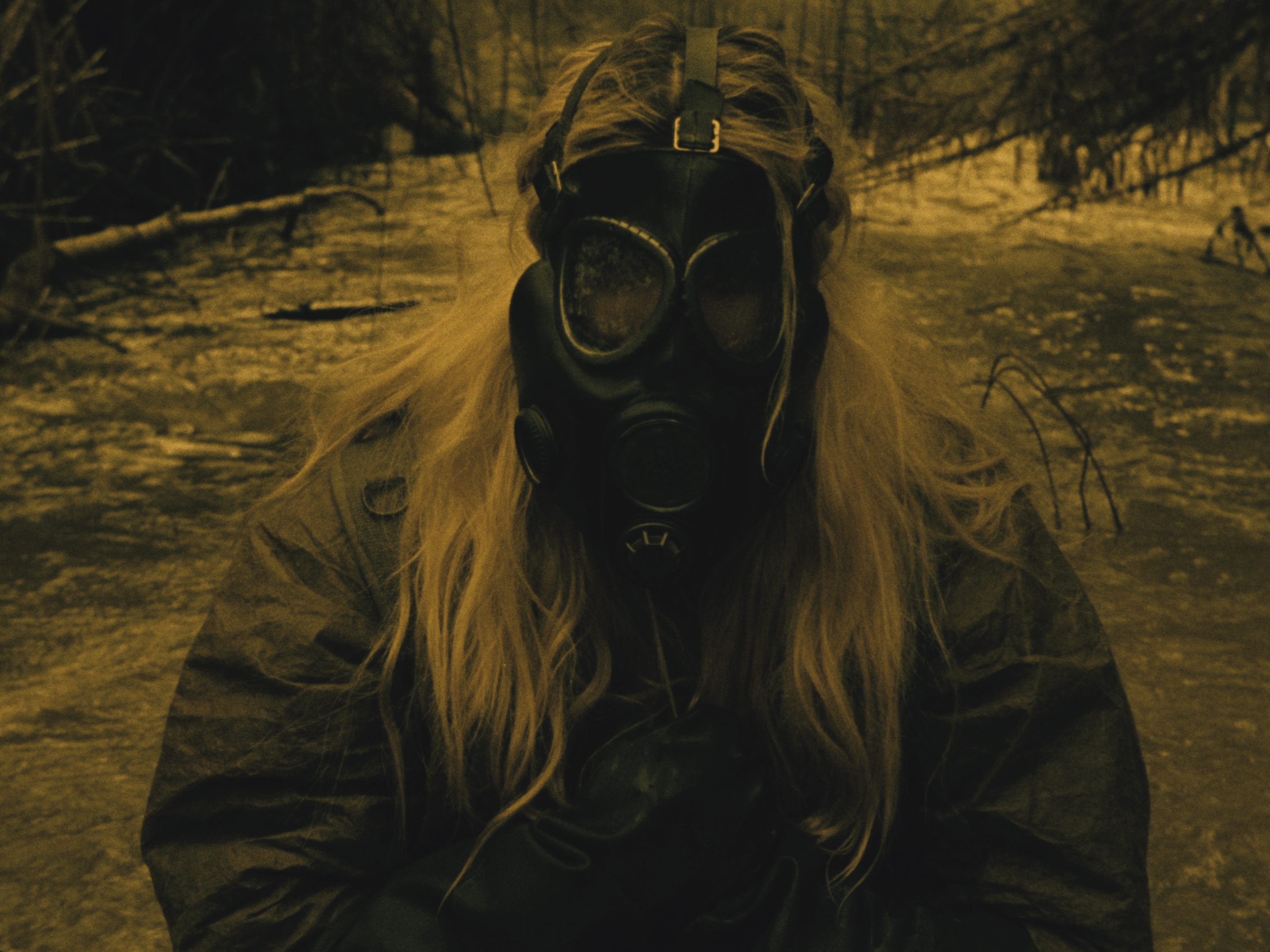
Ivan Dimitrov: The whole film was shot on 16mm. As for effects, we had a very low budget. We rented the most powerful fog machines we could find from a normal rental store, but they were small, so if the wind changed, we had to reshoot. It was a constant battle with the elements. We used artificial lighting to create some of the color atmosphere, but most of the greenish tint came from grading and post-production.
Raya Hristova: How were the wounds and makeup in the film done?
Ivan Dimitrov: That was one of the most challenging parts. A professional makeup artist friend of mine did it all by herself. It was an incredible job but took many hours for both her and the actors.
Raya Hristova: Does the guitar at the end have symbolic meaning?
Ivan Dimitrov: Yes. At the end, you don’t hear the guitar at all. In a way, it’s both a sad and happy ending, the guitar is finally repaired, but there’s no one left to hear it.
Interviewer: Raya Hristova
Editor: Martin Kudlac
Raya Hristova’s Take
Paradiso is a quiet, haunting short film that imagines the world after a nuclear disaster. Set in an apocalyptic version of Bulgaria, the story follows a woman caring for her sick boyfriend in a harsh, empty landscape where hope feels lost. Director Ivan Dimitrov opens the film with a quote from the Book of Revelation, setting the tone for what follows: a slow, thoughtful look at love, survival, and the end of the world.
The film focuses on just two characters, which makes the emotional weight even heavier. Lucía Zamora plays Georgina, and her performance is powerful in its simplicity with Jorge Cañas starring as Georgi. She had to strip away big emotions and instead show pain and strength through subtle gestures and long silences. Due to the director's preference for long, continuous takes, she maintained emotions such as crying for several minutes without interruption. The resulting performance is notable for its depth.
Paradiso was shot entirely on 16mm film, giving it a rough, old tape look that fits perfectly with the post-apocalyptic setting. The colors are greenish and muted, adding to the sense of sickness and decay. Most of this look was created through lighting and color grading in post-production. Also, the team made clever use of fog machines and lighting to create a believable and spooky world.
Makeup also played a big role in bringing this world to life. One makeup artist, Eva Fonseca, did all the work, creating realistic wounds and effects by hand. It took hours of careful effort, but the results are convincing and add to the film’s dark atmosphere.
One of the most powerful moments in the film comes at the end, when the guitar is finally repaired. But there’s no sound, and no one left to play it. It’s a quiet moment that says a lot, maybe it’s a sign of hope, or maybe a symbol of everything that’s been lost. The film leaves that open to the viewer.
Paradiso invites the audience into a lonely, broken world and asks them to sit with it for a while. It’s emotional, beautifully shot, and full of small details that stay with you after it’s over.


