


COLLECTABLE STORIES: PALMENTO

PALMENTO
Short Talk with Christopher L. Barnes (Director)
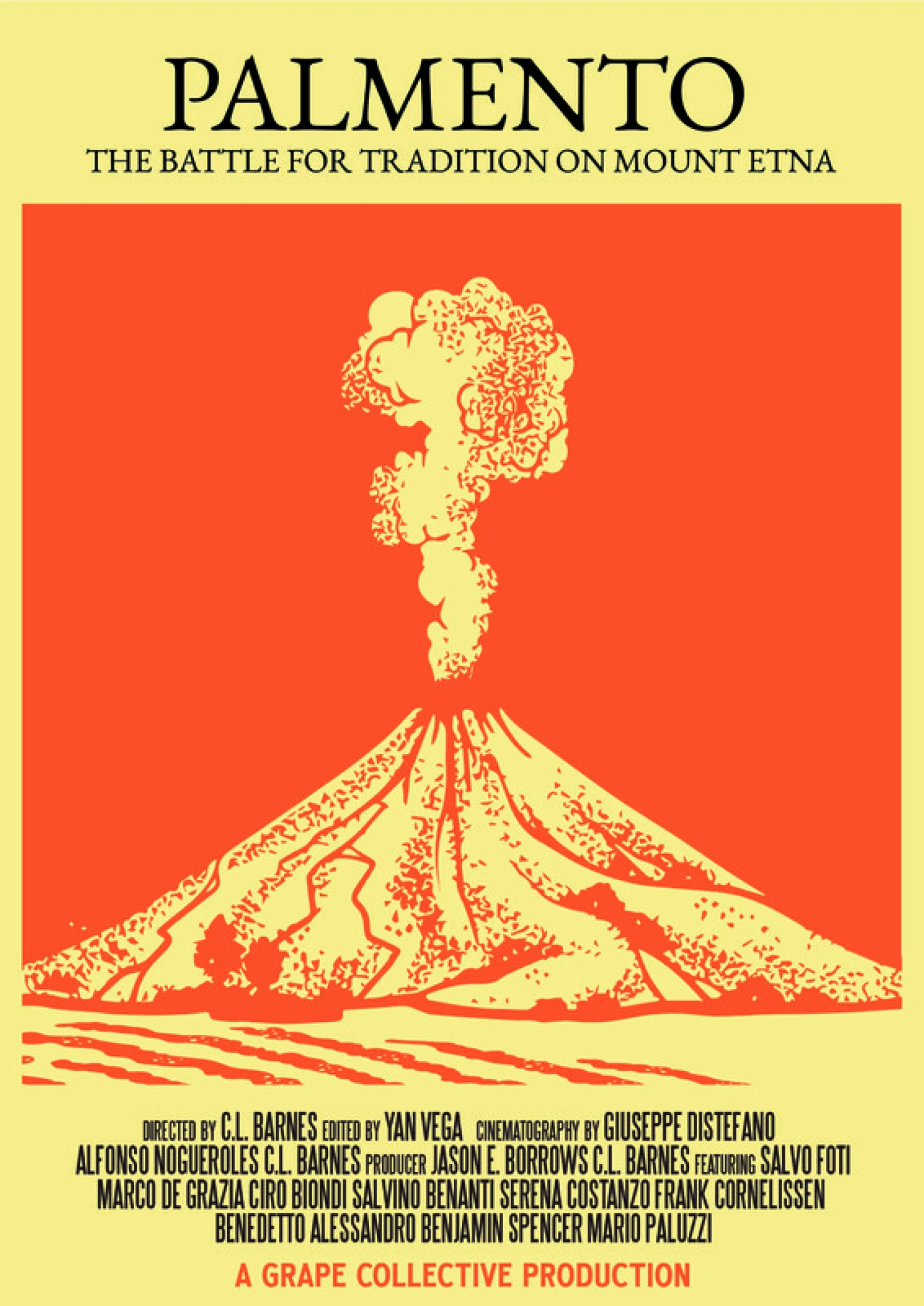
BEST SHORT DOCUMENTARY FILM Category
22nd IN THE PALACE International Short Film Festival 2025
United Kingdom, Documentary, English, Italian, 00:14:46, 2024
Synopsis: The short film Palmento offers an intimate look into the winemaking traditions of the Mount Etna region, focusing on the ancient practice of using palmenti—stone wine presses carved into volcanic rock. In modern times, the traditional use of Palmenti has been outlawed by governmental agencies and today a group of winemakers are fighting to protect an important winemaking heritage. The spectacular images of volcanic eruptions are all filmed by cinematographer and Etna local Giuseppe Distefano.
Biography: C.L. Barnes is the founder of Grape Collective, a multi-media company that has been operating for over a decade. Before Grape Collective, Barnes co-founded and served as Publisher of amNewYork in New York City, the largest free daily newspaper in the United States. He has also been involved in start-ups in Boston and London, including co-founding The London Monthly. Barnes has a BA in Film and English Studies from the University of East Anglia in Norwich, U.K.
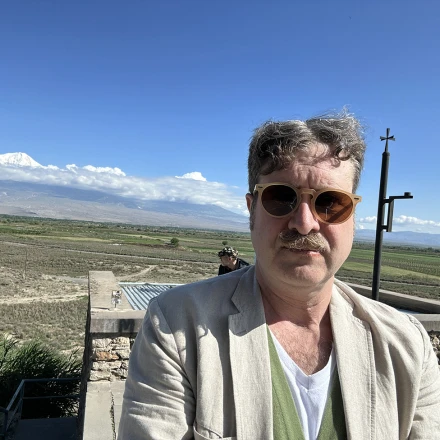 Christopher L. Barnes, director
Petar Penev: Why do you think it is necessary to talk about themes of preservation of tradition in cinema, in particular?
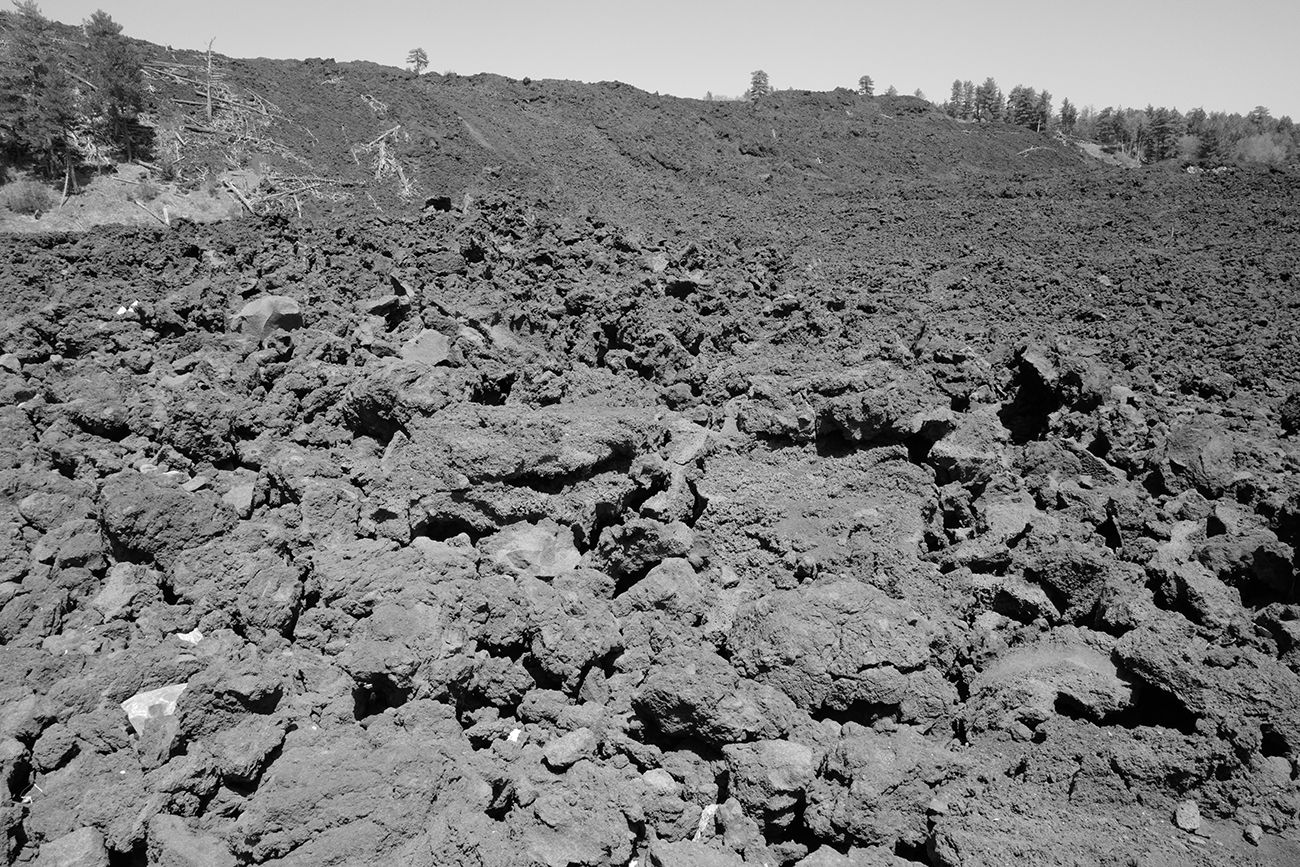
Christopher L. Barnes: That’s a good question. I feel like, especially today, with globalization, the use of phones, TikTok, preserving culture is very important. When I first started this story, that wasn’t the original idea. The original idea was to talk about man and nature, the sublime, the volcano, and what it’s like to live in this kind of precarious environment. A volcano is this powerful, beautiful presence, but also something dangerous. And then, as I got deeper into the story, the idea of cultural preservation really started to shine brighter. And the fact that these people were so passionate about preserving the palmento, and the kind of idiocy of the fact that they had been making wine this way for 2,000 years, and then, because someone in Brussels said, “This isn’t a good idea,” they had to stop, that really struck me. The community that grew around Etna, and the passion behind that, I thought was just as beautiful and powerful as the volcano itself.
Petar Penev: So you say you went into the film with one idea, and it turned into something else. Why exactly did you decide to tell this story about preservation of tradition through the lens of winemaking? How did you hear about the story, and what made you decide: this is the one I’m going to film?
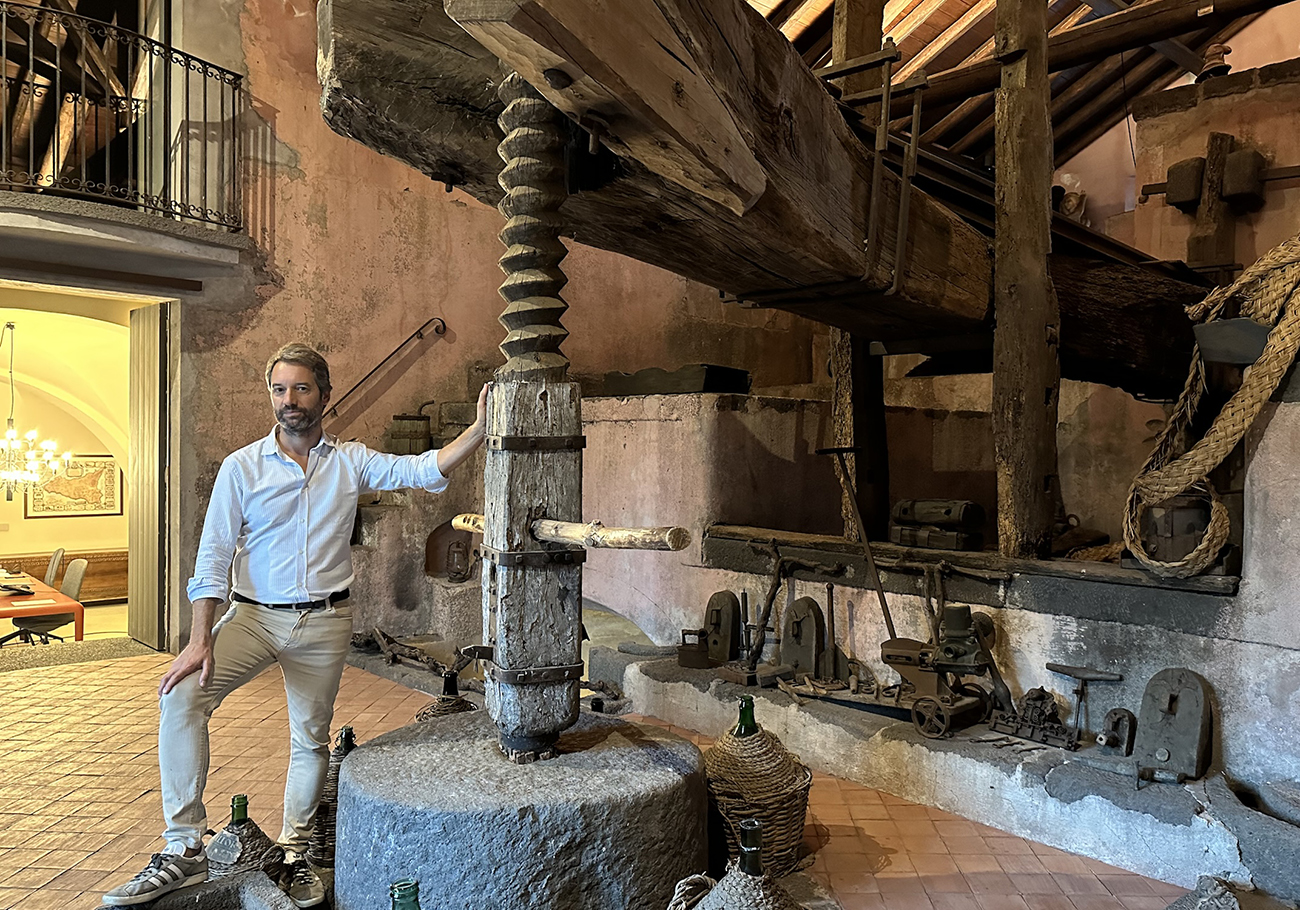
Christopher L. Barnes: Well, I think with any documentary, you go in with a certain idea, you ask questions, and sometimes you’re able to tease out something else, something bigger. For me, this story was just so beautiful, powerful, and poetic. And the passion, the fervor, with which these winemakers talked about preserving this ancient tradition of winemaking on Mount Etna… I mean, it was obvious. It was obvious that this was an important story that needed to be told. And hopefully, we’re able to shine a little light on it. And hopefully, maybe, something will change.
Petar Penev: So what I’m getting from what you’re saying is that maybe it’s the passion these people feel for what they do, that’s the universal part that’s meant to resonate with the audience?
Christopher L. Barnes: I think so, yeah. I think in any culture, if you lose your traditions, you lose a part of your identity. And on Etna, they were losing their traditions. But here’s a group of people that are fighting to bring that back, to preserve it. So in this age of globalization, cultural preservation is, I think, incredibly important. It’s how we keep culture vibrant and alive.
Interviewer: Petar Penev
Editor: Martin Kudlac
Petar Penev’s Take
Palmento by Christopher L. Barnes is a quietly compelling documentary that zooms in on an unexpected intersection of culture, regulation, and identity. Set in Sicily’s Mount Etna region, the film follows a group of local winemakers struggling to preserve their ancestral practice of using stone carved “palmenti”, presses built into volcanic rock, now prohibited under contemporary safety and regulatory standards.
From the outset, Barnes frames his subject not as a quaint folkloric curiosity but as part of a broader struggle over who defines “living tradition” in a bureaucratic, globalized world. The film avoids sentimentalizing these farmers as tragic relics. Instead, it allows their voices, toils, and frustrations to carry the weight of the argument. Cinematically, the film benefits from patient pacing: lingering visuals of rugged volcanic terraces, cracked stone, and dripping grapes underscore the tension between human labor and the indifferent geology that surrounds it.
One of the film’s strengths lies in its balance between the personal and the systemic. The audience can observe the physicality of the work, their labour at dusk, their stories of inheritance, loss, and persistence while also sensing the presence of regulatory frameworks and institutional pressure. This friction grounds the film and lends it political weight. While some viewers may find its alignment with the small producers polarising, the choice feels intentional. Rather than staging a debate, the film trusts its protagonists and its imagery to shape the narrative.
Palmento is a modest but forceful work. It does not announce its argument loudly; instead, it accumulates meaning, allowing voices, landscapes, and the weight of stone to speak. Barnes´ documentary offers a revealing look at the fragile balance between tradition and modern governance, showing how regulation can edge toward erasure and how persistence can become an act of cultural preservation.


