


COLLECTABLE STORIES: MY MOTHER IS A COW

MY MOTHER IS A COW
Short Talk with Patricia Gomes (producer)
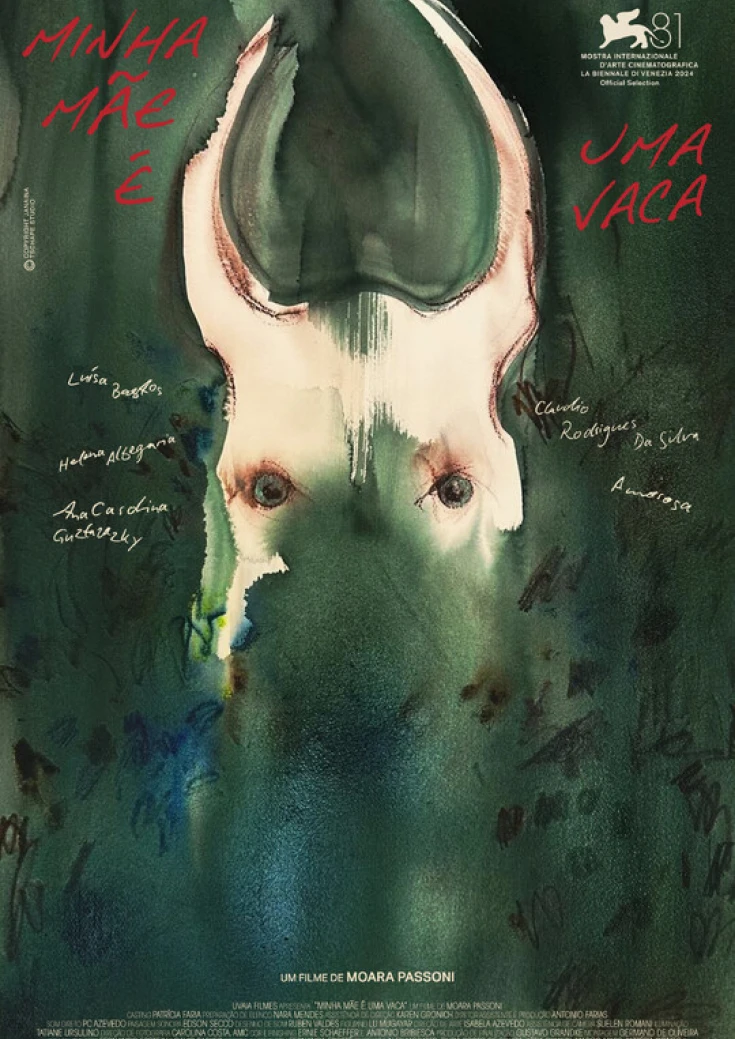
BEST SHORT STUDENT FICTION FILM Category
22nd IN THE PALACE International Short Film Festival 2025
Brazil, Fiction, Portuguese, 00:14:59, 2024
Synopsis: Left in her aunt’s care on a family ranch at the edge of the burning Brazilian wetland, 12-year-old Mia is desperate for the touch of her mother’s love – but in this volatile natural world, with the impending threat of a deadly Jaguar consuming the family, love comes in unexpected form.
Biography: Moara Passoni is a Brazilian writer & director. She wrote and directed the feature-length essay film Extase (CPH:DOX, MoMA’S Doc Fortnight, Visions du Réel) which received critical acclaim and won a gamut of international awards. Moara was co-writer of the Academy Award-nominated The Edge of Democracy. She was named one of the “25 New Faces of Independent Filmmaking” by Filmmaker Magazine, is an alumna of TorinoScriptLab, La Fémis-Cannes Producing Atelier, GOTHAM Week and NYSCA.
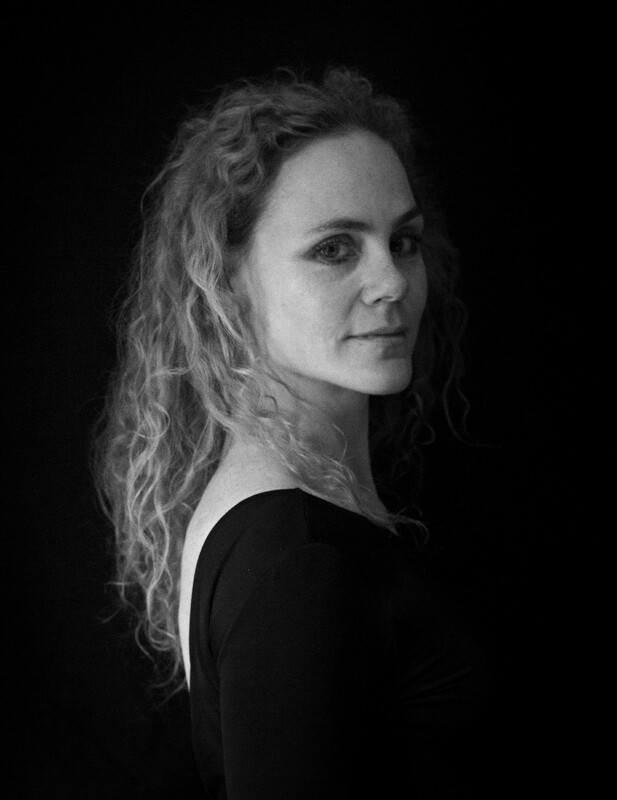 Moara Passoni, director
Toma Manov: We see shots of an exotic animal in the film. How was that process, especially navigating it in case you had to bring it close on set to a child actor?
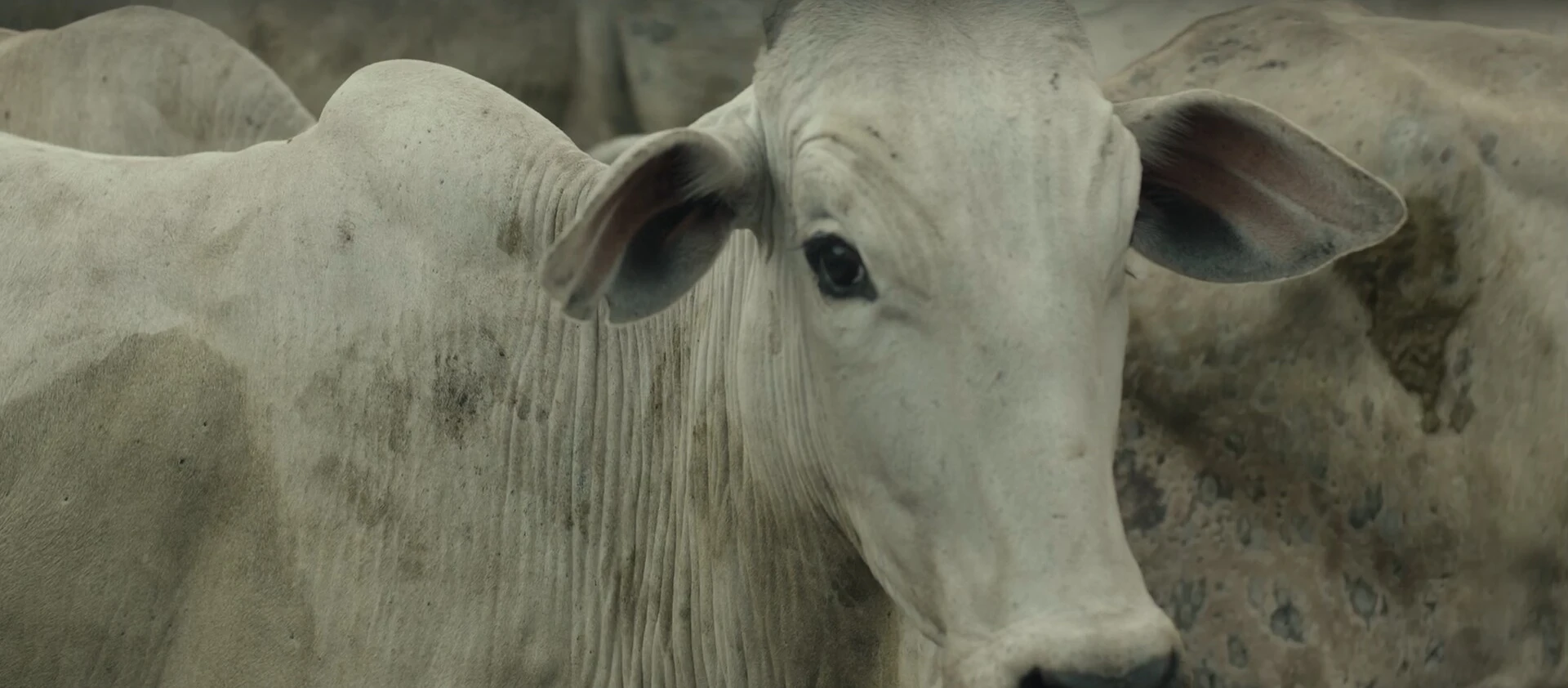
Patricia Gomes: First of all, thank you very much for inviting us, by "us," I mean me and the whole crew. It was chaos! The main character isn’t just a person, we also had a cow. And a cow isn’t like a dog. You can’t just direct a cow the way you do a dog. So the actress spent three days with the cow, petting it, getting used to each other, so they could become familiar. And when it came to the wild animals, we filmed in Pantanal, a very wild area in Brazil, full of animals like crocodiles, jaguars, and cows, of course.
Toma Manov: And did you have any hiccups on set with wild animals that were not supposed to be there for the shooting?
Patricia Gomes: Yes, we did. That area is extremely rich in biodiversity. Unfortunately, it’s also a cattle farming region, and many parts of the forest are being destroyed. The farmers are burning land, so wild animals are being pushed out and are looking for food. And unfortunately, cows are the first thing they go after.
Toma Manov: Was there anything specific you were looking for when finding and planning the locations you were going to film in?
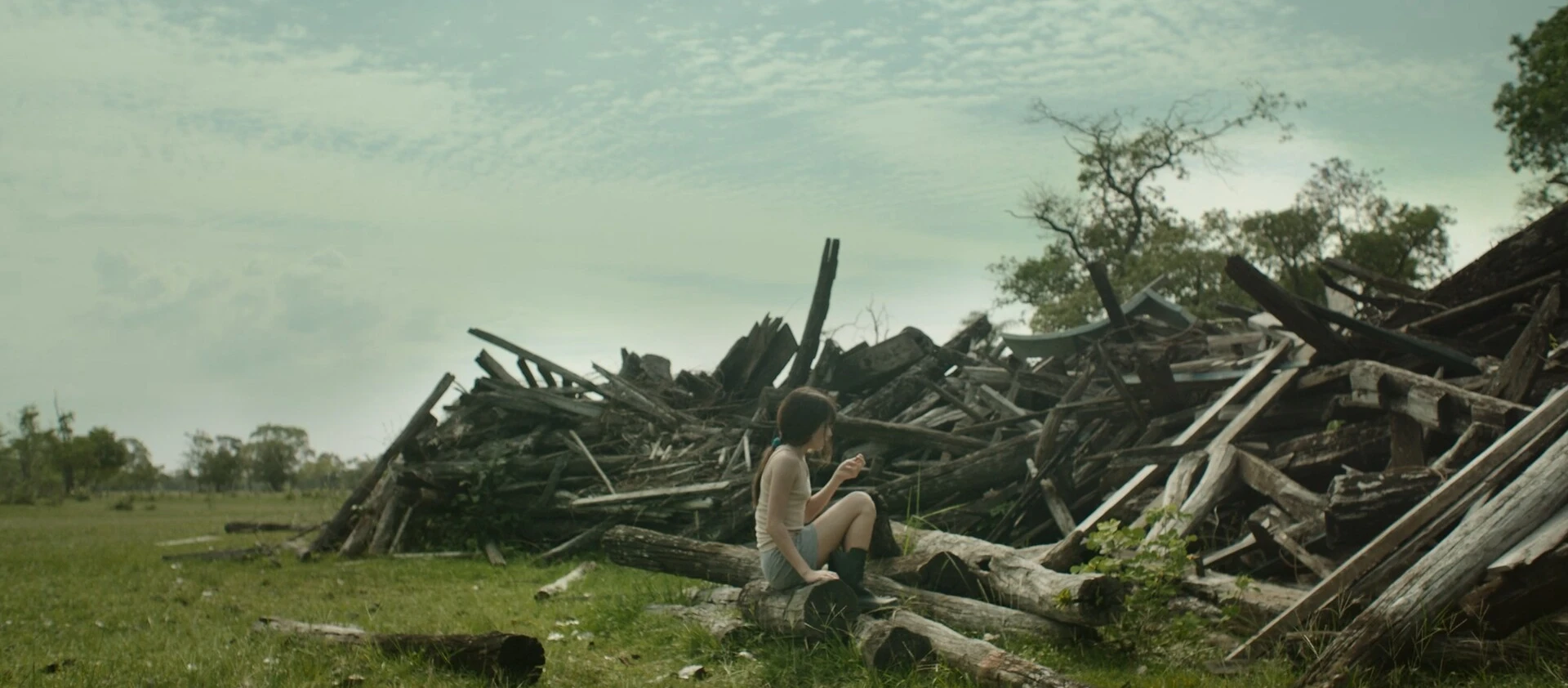
Patricia Gomes: Yes, that place is very personal for our director, Moara Passoni. The story is partly based on her own experiences growing up in that area. Pantanal is one of the most beautiful regions in Brazil. People visit it for educational purposes too. So it was the perfect location for this story. Also, this film was her thesis for her Master’s degree at Columbia University, and she felt that Pantanal was the perfect place to shoot her short film.
Toma Manov: Since this is a film on the topic of hostility and being estranged from one's mother, did you have to play any role in helping the child actor adapt to that?
Patricia Gomes: So, the actress, she’s amazing. It’s Luísa Bastos. We had another actress, and as soon as she arrived, Moara, the director, said, “She’s the one.” And she really engaged in the history and in the place. And she loved to be there, she loved to play for us. It was something like, completely different, because she’s from São Paulo. São Paulo is like, let’s say, it’s a busy city. It’s one of the biggest cities in Brazil. And suddenly she went to a place like, completely wild. I think she was the perfect choice.
Toma Manov: Did you have to pick from a lot of actors, and how was the process of picking the actor?
Patricia Gomes: No, they are all people from the area. They are not actors. So the auntie, yes, the auntie, the uncle, and the other guys, they are from the area. They are people from, local people, and they engaged in the story. They said, “Let’s do it, this film. So let’s do it.” So they helped us a lot. We had just, like, two professional actors there. So we’re really happy because the community said, “Let’s do it.”
Toma Manov: Yeah, it really seems like a film done by a community.
Patricia Gomes: Yeah, it’s natural. Because they just portray themselves. It’s the daily basis—they portray themselves.
Interviewer: Toma Manov
Editor: Martin Kudlac
Toma Manov’s Take
The Brazilian student short fiction film My Mother is a Cow explores the yearning a young girl experiences for her mother’s touch when the two are separated. It stands at 15 minutes long and offers insight into an unusual connection between the young protagonist and a farm animal.
To maximize the authenticity of the story, the film was shot in a rural part of Brazil connected to the director’s background, with a team of mostly local actors, this delivers a result with a personal feeling which is further affirmed by the cinematography. The protagonist is often in the centre of the shot, isolated from other characters. This serves as a visual representation of the predominant motifs of loneliness, disconnection and isolation.
A clear distinction is made between the different sequences, the scenes during daytime are bathed in warm colours with a discrete yellow tint, while those outdoors in night-time have a signature all-blue colour scheme, creating a strong contrast between the two parts of the day.
The editing is slow-paced at times, yet intensifies according to the progression of the plot and the current action taking place, supported by either a gentle sound ambience or sharper, intrusive sounds that rhythm the cuts in between the different shots.
On multiple occasions during the film, a prayer is narrated, while the protagonist remains visible on screen during this prayer, we do not see her talk, but rather hear her voice extra-diegetically saying it, giving us an insight into the anxiousness the separation process causes to the young girl.
The film is distinguished by emotional power and has the potential of spiritually connecting with a wider audience, seen as the motif of motherhood and the anxiety around separation are widespread themes that most people have experience with.
My Mother is a Cow is a short film that captures the emotional intensity of a child’s longing for maternal affection. Its strength lies in the emotional vulnerability it portrays, enhanced by thoughtful cinematography, sound design, and a clear visual language that mirrors the protagonist’s inner world. The film stands out through its evocative use of rural Brazilian landscapes and its symbolic connection between the girl and the cow, an unusual but poetic narrative choice that broadens the emotional scope of the story. Its use of extra-diegetic prayer narration adds a spiritual layer that heightens the emotional message.
As part of a broader trend in introspective character-driven student films, My Mother is a Cow makes a strong case for the universality of separation anxiety and the bond between a mother and her child. It would likely appeal to audiences drawn to emotionally-driven coming-of-age stories and could perform well on platforms that showcase up-and-coming voices in global cinema.


