


COLLECTABLE STORIES: MASKS

MASKS
Short Talk with Amina Krami (director) and Emma Holzapfel (editor)
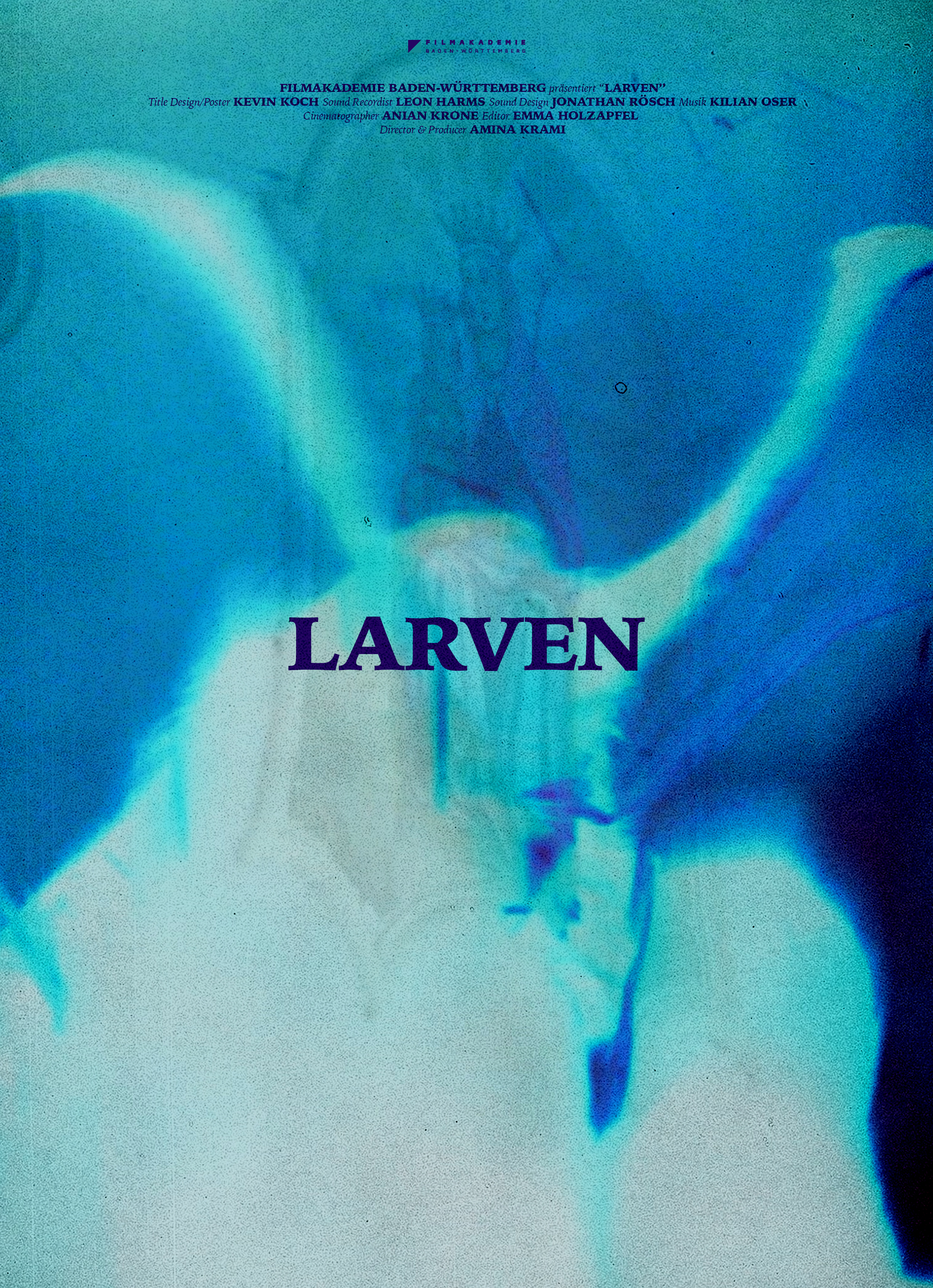
BEST SHORT STUDENT DOCUMENTARY FILM Category
22nd IN THE PALACE International Short Film Festival 2025
Germany, Documentary, German, 00:11:56, 2024
Synopsis: When the first snow falls, the fifth season begins in the village surrounded by mountains. Once a year, the ‘untamed and wild’ is allowed to burst out of the men under the protection of the masks.
Biography: Amina Krami was born in Salzburg in 1992 as the daughter of an Algerian father and an Austrian mother. She has been studying scenic directing at the Filmakademie Baden-Württemberg since 2020. In 2022, Amina Krami is a scholarship holder of the Baden-Württemberg Foundation at the film school "La FEMIS" in Paris. 2023 she is nominated for the Simon S. Newcomer Director Award. 2025 Amina Krami is a scholarship holder of the Deutschlandstipendium.
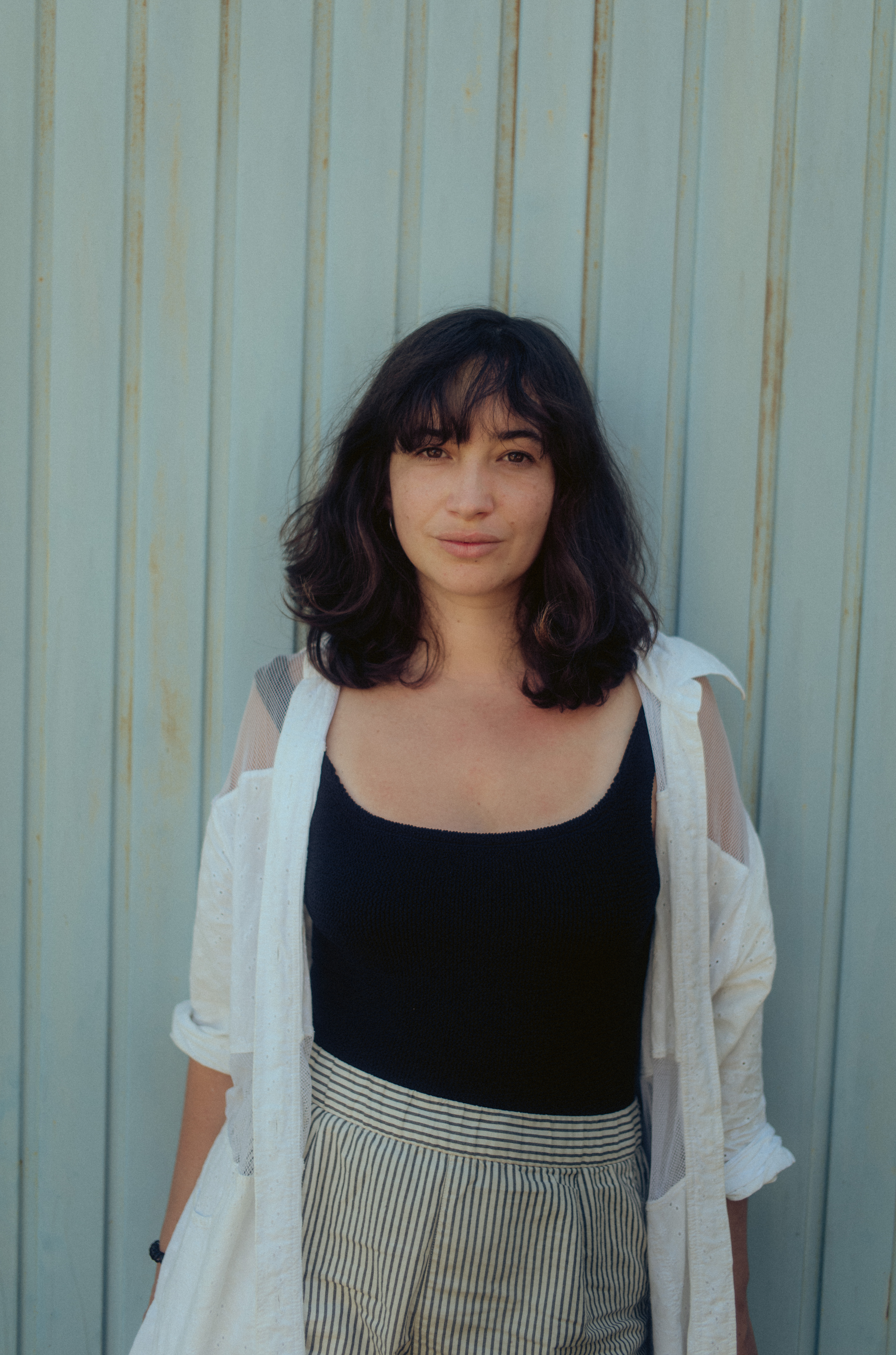 Amina Krami, director
Kaloyan Vasilev: How did you approach the people wearing the masks? Did you direct them in any way?
Amina Krani: I was lucky. I grew up in Austria, and this is an Austrian tradition. When I told some of my former classmates that I wanted to make a film about it, they immediately said, “You should come to our village, things get pretty wild here.” Having that personal connection made a big difference. Without it, I don’t think people would have been so open to me. There’s also a lot of criticism around this tradition, so not everyone likes being filmed. As for directing, yes, we asked them to stand still for portraits, things like that. I think there’s always some directing in documentaries, especially later in the editing process.
Kaloyan Vasilev: Speaking of editing, was it difficult to combine all the footage you had?
Emma Holzapfel: We had several viewing sessions together, plus a lot of interview material. Amina also helped me with the language my Austrian German isn’t perfect. After that, I locked myself in for a few hours at a time, trying to find the story in all this material. What really helped was leaning into contrasts: the idyllic little village—reinforced by the sound design and music, set against this intense, almost demonic ritual that happens every year. That contrast became the way to tell the village’s story.
Kaloyan Vasilev: How was your collaboration? A director and editor have to understand each other almost instinctively.
Krani: We’ve known each other for a long time, we studied together and have worked on several projects before. So there’s already a mutual understanding.
Holzapfel: Yes, and this was Amina’s first documentary, she usually does fiction.
Krani: Exactly. I was honestly terrified during the edit. After two weeks, I was thinking, “What is this movie going to be?” But two weeks isn’t actually much for a documentary. I also knew Emma needed space to work without me second-guessing everything.
Holzapfel: We had talked a lot beforehand about the direction we wanted, so I trusted that it would turn into something close to what we’d envisioned.
Interviewer: Kaloyan Vasilev
Editor: Martic Kudlac
Kaloyan Vasilev’s Take
“Be good or the Krampus will get you.”
Masks, a 12-minute-long student documentary directed by Amina Krami, explains what happens when a man is left to do whatever he pleases while hiding behind a mask, while also introducing us to a traditional ritual occurring at the first snowfall in a remote Alpine village.
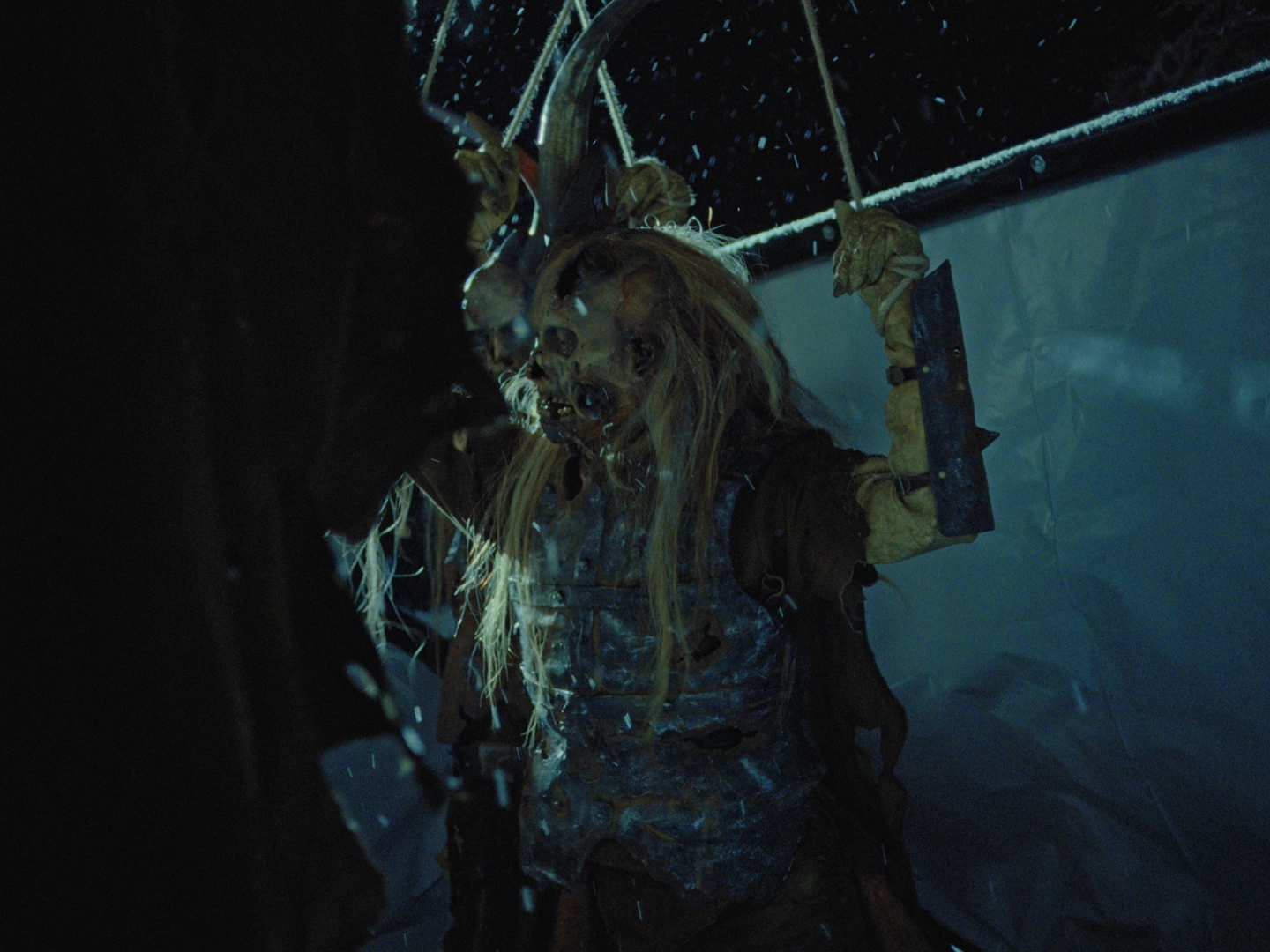
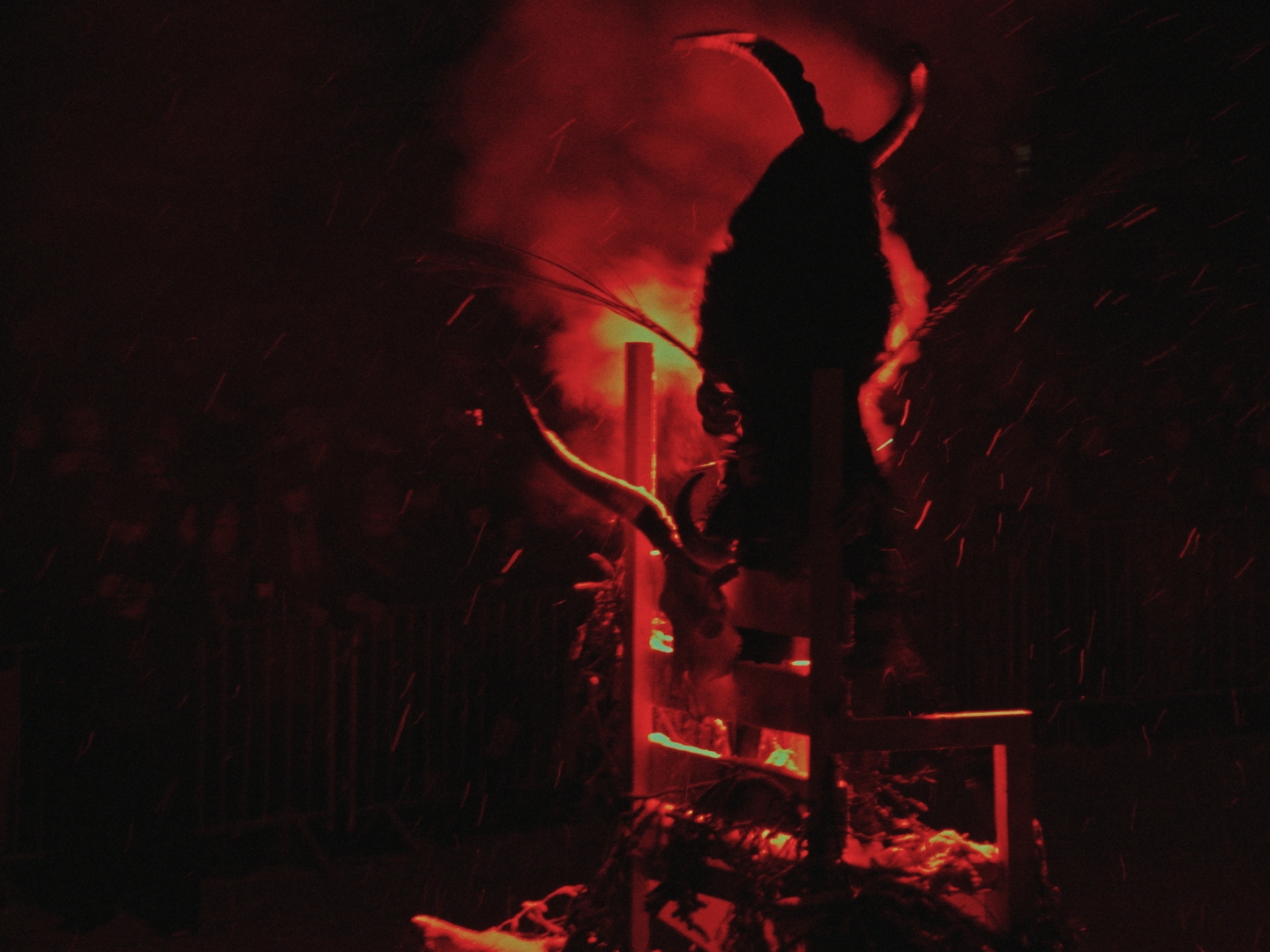
The film can be divided into two parts. Starting with the first one, being calm and slowly paced, it begins with the village where the story takes place and the snowy landscapes surrounding it, to which the added eerie music with repetitive chords hints that something bad is coming. As the second part, hell on earth, slowly gets closer, flash-forwards appear, which are presented as schizophrenic-like episodes getting longer and longer until they occupy the whole reality. These episodes are distinguished by a complete change in the color palette and lower frames per second, the combination of which, along with the terrifying costumes, creates a demonic ambiance. Besides what’s soon to be told, the film makes it visually clear that there is something wrong with this tradition, and measures are to be taken.
With the help of these episodes, as well as the music, the short builds up tension until we are surprised with a not-so-unexpected occurrence among the usual rape and abuse, murder, under the pretext that the victim wasn’t behaving during the past year, all of which is explained by a calm male voice. The same voiceover, reminiscent throughout the whole film, as well as the first part of the film with poetically long frames contributing to the calmness, creates a great contrast with the actual dark heaviness of the story, a story which isn’t biased by dialogue but relies more on visuals.
The result of the work behind this film is surprisingly good, especially when the director herself has said that they had no idea where they were going during the production of their project. The film combines cinematography with reportage well and manages to create a coherent piece with a core idea that hits us almost like thunder from a clear sky, as at the beginning we think it’s a tradition no different than the Bulgarian “Surva” or the Romanian “Ursul”. Besides its unique story, the film is distinguishable by its beautiful visuals and realistic costumes, each one more terrifying than the previous. Furthermore, the film is both captivating and sensitizing, as it shows what people, especially men, can do when they think their actions are inconsequential. At last, the film can be appreciated by all people interested in uncommon traditions, beautiful cinematography, and of course, crimes.


