


COLLECTABLE STORIES: MAJINI

MAJINI
Short Talk with Emma Holzapfel (editor)
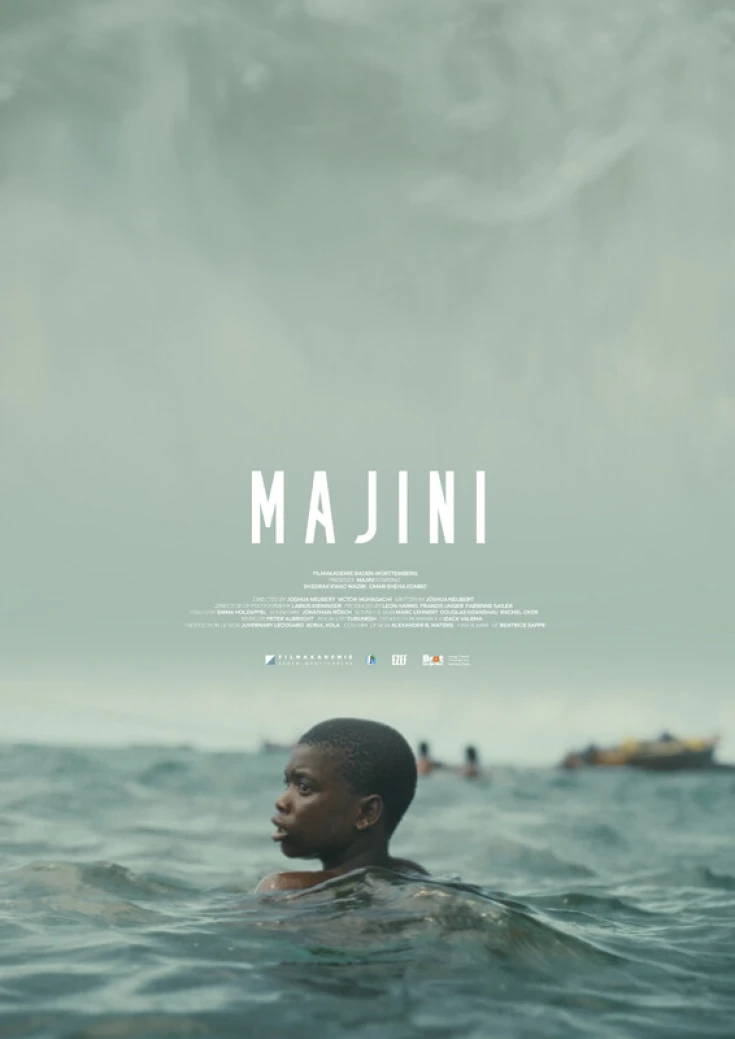
BEST SHORT STUDENT FICTION FILM Category
22nd IN THE PALACE International Short Film Festival 2025
Germany, Fiction, Swahili, 00:18:45, 2025
Synopsis: Fari (13) is afraid of deep water. He admires his older brother Danford (17), who goes fishing with their father every day to provide for the family. When their father falls ill, Fari must take his place on the boat. Fearing they will come home empty-handed, Danford steers the boat further and further out to sea. Alone on the open waters, the boys get caught up in an increasingly dangerous masquerade of masculinity.
Biography: Joshua Neubert (1994) is a German filmmaker who grew up in Tanzania. In 2020, he enrolled in the Fiction Directing program at Filmacademy Baden-Wuerttemberg. He has directed films in Germany, Tanzania and the US, with his latest work Granicа shortlisted at the Student BAFTAs. Joshua is currently in development of his debut feature film.
Victor Muhagachi (1996) is a Tanzanian filmmaker who loves telling stories that matter. He's mixed his eye for beauty with real, raw narratives to create something truly special. Outside the lens, he's all about exploring, passionate about culture and landscapes. When he's not behind the camera, you might find him enjoying sports or planning his next adventure. Victor's work is a reflection of his journey, and he's just getting started.
 Joshua Neubert, Victor Muhagachi, directors
Toma Manov: Majini is a film about fear, and as an editor, you really helped build a strong emotional pace. How did you approach conveying fear, a very visceral emotion, through the rhythm of the film?
Emma Holzapfel: Yes, it's a film about fear, that's right. I think our main focus was to show his emotions and his inner conflict, between being the "big boy," stepping into adulthood, going out to sea, helping his family, and at the same time, his fear of the water. We didn’t want it to feel like just a childish fear. We wanted to treat it seriously. That’s also why we chose to show the Majini, the ghost, because we believe him. It’s not a children’s film about being scared of ghosts. It’s about showing him as a growing boy and portraying his fear in a very real way.
Toma Manov: And rhythm-wise?
Emma Holzapfel: We tried to build the rhythm like the flow of water, almost as if the Majini was shaping the pace. There aren’t many rhythm changes, it’s more of a steady current. That was intentional.
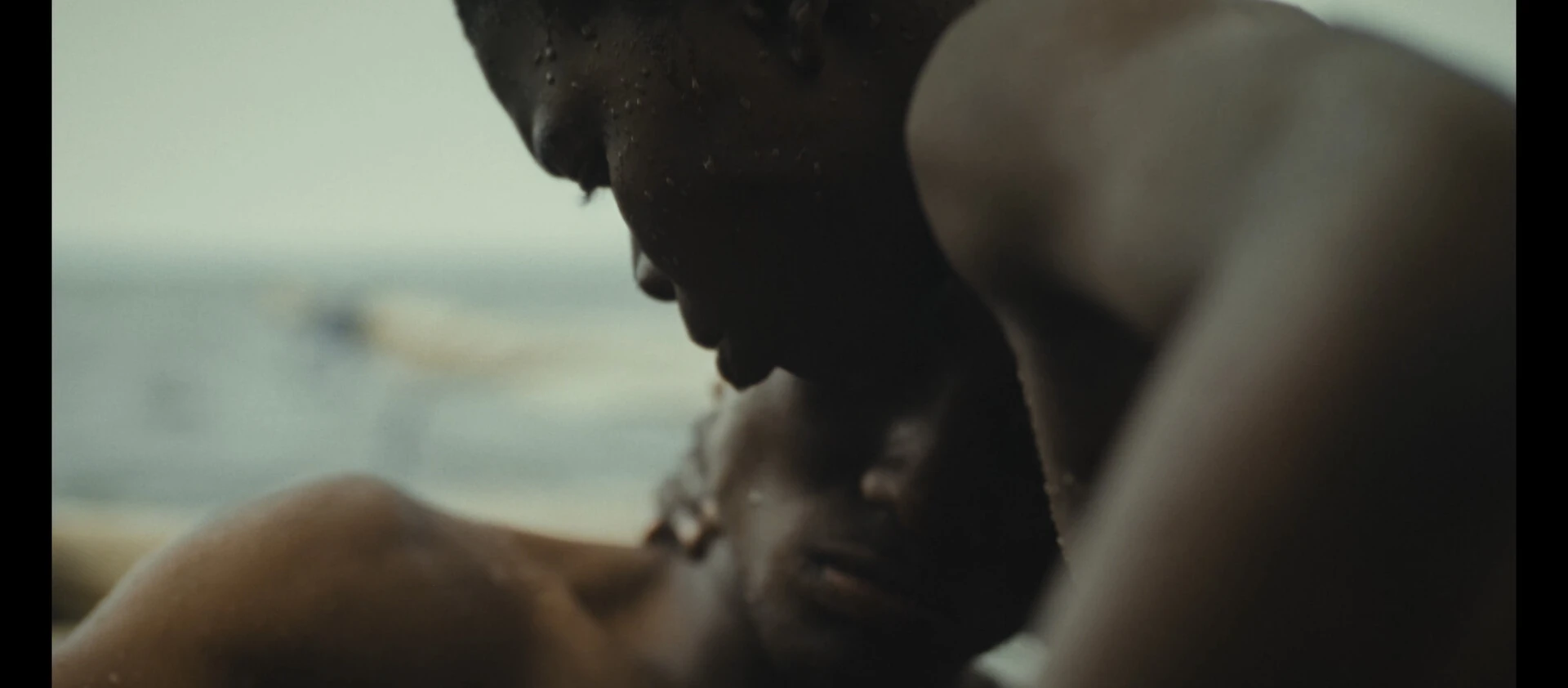
Toma Manov: There’s a strong theme of obscurity throughout the film. Often, we can’t see the people clearly, there’s a sharp contrast between light and the human form, or between nature and people. Was that something you contributed to as an editor, or was it mainly a choice by the director or cinematographer?
Emma Holzapfel: Yes, that was intentional. Larry, the cinematographer, really focused on finding special angles, especially to express the relationship between the two brothers, and also between Fari and the water. The visual composition often centers how Fari feels, he’s at the emotional center of the frame, and everything else moves around that. That emotional anchoring helped guide the edit too.
Toma Manov: And since you mentioned the shoot was a bit chaotic, did that open up space for improvisation in the edit? Were you able to bring something personal or distinctive into the final cut?
Emma Holzapfel: Definitely. The shoot in Tanzania was really chaotic, we didn’t get everything we hoped for. So the first step in editing was just to make it work. Then we started to find moments that really spoke for the film. One of my favorites is the shot where he pulls up the sail, it’s a small thing, but for me, that image captures what the whole film is about. It’s also framed in a particular way that really resonates with the whole process of making the film. So yes, finding those moments and making them stand out became a kind of signature touch.
Toma Manov: And finally, were you involved in the pre-production or scriptwriting phase, or did you come in after the shoot?
Emma Holzapfel: We’re all really close friends, so we worked together from the very beginning, including the scriptwriting process. I wasn’t in Tanzania because I was editing another film at the time, but after the shoot, we edited the film together back in Ludwigsburg, where we studied.
Interviewer: Toma Manov
Editor: Martin Kudlac
Toma Manov’s Take
Majini is a German short student fiction film directed by Joshua Neubert and Victor Muhagachi that spans over nearly 19 minutes, exploring the tale of a young son of a fisherman, afraid of the deep waters, who later becomes forced to confront his fear in order to provide for his family.
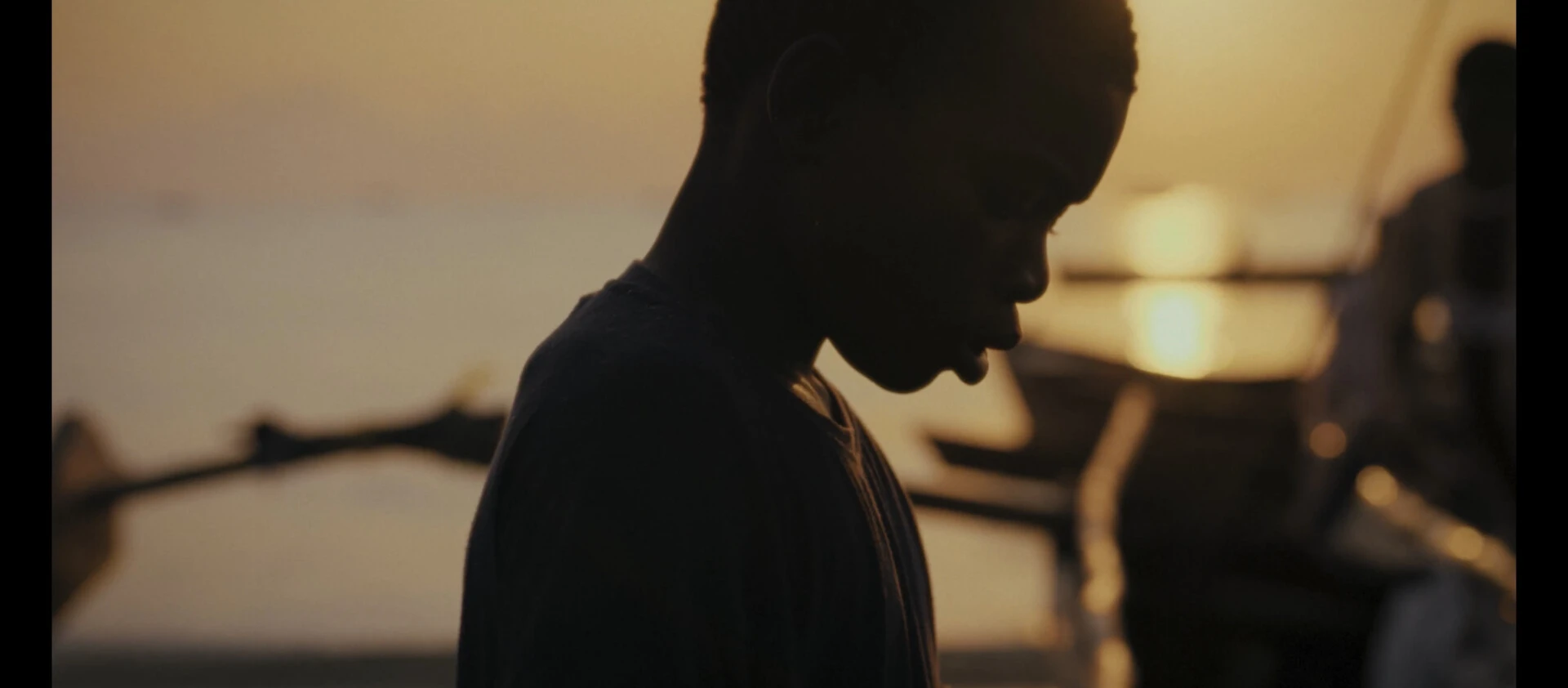
The project’s cinematography relies heavily on play with contrasts, distinguishing the human bodies in frame that appear as dark silhouettes from the illuminated by natural lighting, the setting and rising of the sun, the rays of the moonlight, background. The ocean is represented as a visually dark body of water, leaving a tingling sensation of anxiety and curiosity.
When it comes to the actors’ performance, it lies as the foundation of the bridge that the film builds between its fictional world and the audience. Although young, the performance of Fari’s actor Omar Sheha Kombo is persuasive and realistic, enabling the viewers to experience the fear that consumes the protagonist. The editing is slow-paced, similar to the movements of the Majini, a hostile ghost creature from a local folklore tale, lurking in the ocean.
While the project’s plot line does reference a specific demographic and a folklore tale that is not widely known around the world, the film’s visuals and audio landscape work together to transfer the fear that haunts the characters onto the viewers. The mythical creature is actually omnipresent throughout the whole length of the film, either through visual suggestions such as shadows and obscurity, or through mysterious sound effects that penetrate the otherwise eerily calm ambience. Furthermore, the film is shot in East Africa, with real decors and local actors, capturing a spirit that cannot be reproduced in a studio setting.
The film’s pacing and messaging are concise and effective, every scene that is included has a specific purpose, contributing to the overall quality of the short film. With its strong visual language and universal themes of fear, duty, and transformation, the film is likely to resonate with audiences across cultures. It would find a natural home in festivals showcasing emerging global talent, folklore-inspired cinema, or socially grounded narratives with mythological undertones.


