


COLLECTABLE STORIES: LOLLIPOPS

LOLLIPOPS
Short Talk with Tess Masero (Cinematographer)
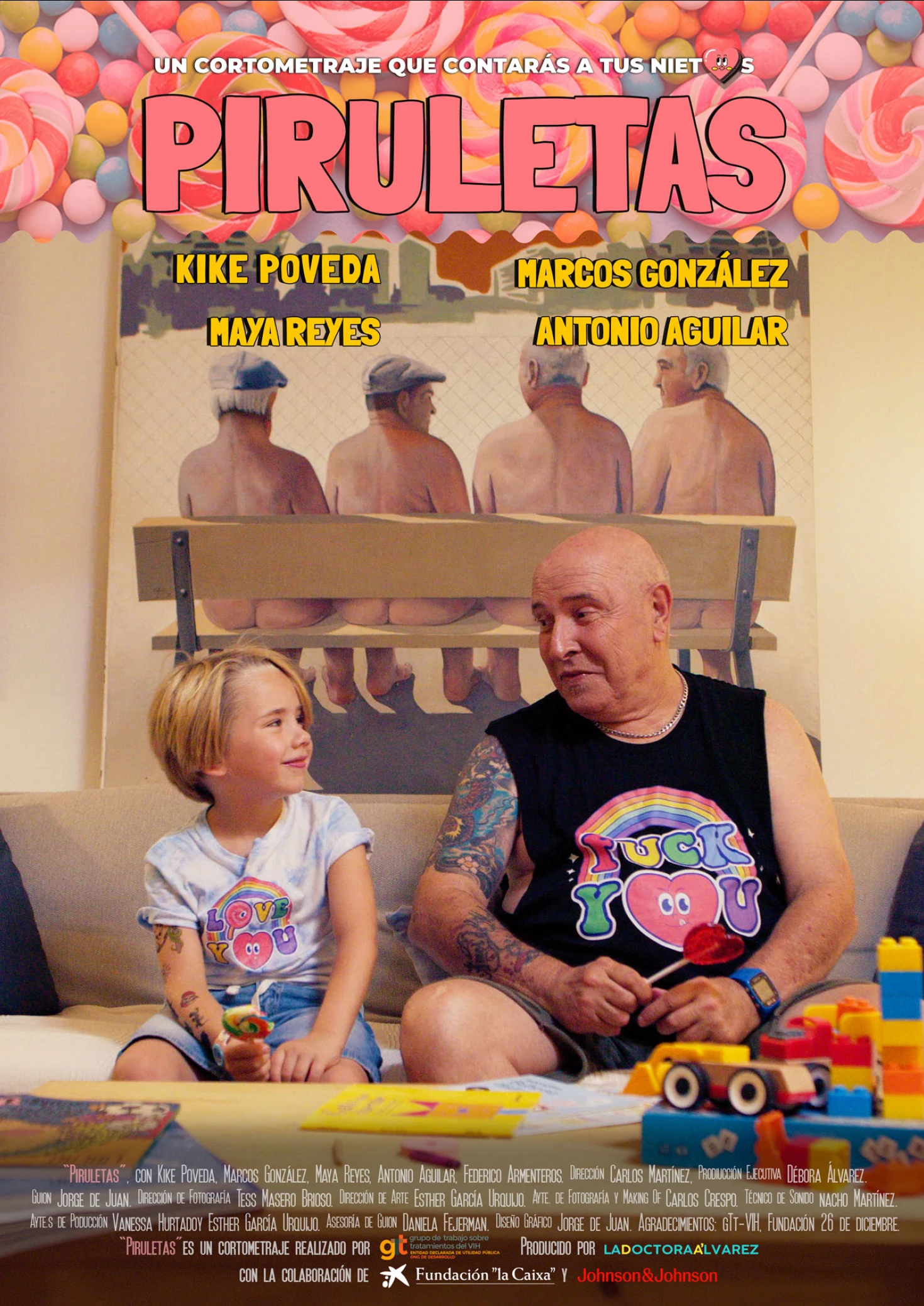
BEST SHORT FICTION FILM Category
22nd IN THE PALACE International Short Film Festival 2025
Spain, Fiction, Spanish, 00:11:33, 2025
Synopsis: Víctor, a 65-year-old man, grows older and it turns out that at his age he has to hide part of his life due to rejection... from his own family! And this includes some mysterious pills that have disappeared... Will you join us to discover his secrets?
Biography: Social film director, who mainly directs documentary pieces and debuts with the short film Piruletas / Lollipops in fiction. He is a specialist in the use of audiovisual tools for social intervention, his filmography includes notable projects for important institutions such as the Ministry of Health and broadcast on RTVE. His works cover topics from public health to rural art, he has been recognized for their ability to transform realities through the lens, turning the stories he captures into engines for social change.
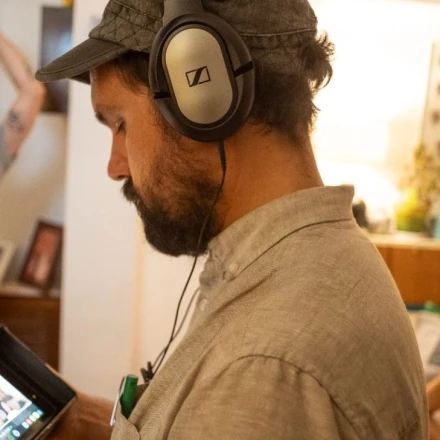 Carlos Pérez, director
Toma Manov: The first thing I noticed while watching Lollipops is that at times the camera is handheld. Since this is a fiction film, I was curious, was that a stylistic decision with a specific intention behind it?
Tess Masero: We chose to go handheld because we felt it was the most logical choice for this story. It’s not heavily handheld, it’s actually quite subtle. There’s just a tiny bit of movement, but for the director and for me, it created a kind of closeness to the characters that we felt wouldn’t be achieved as well with a tripod. Of course, that can be done too, but we decided not to go that way for this film.
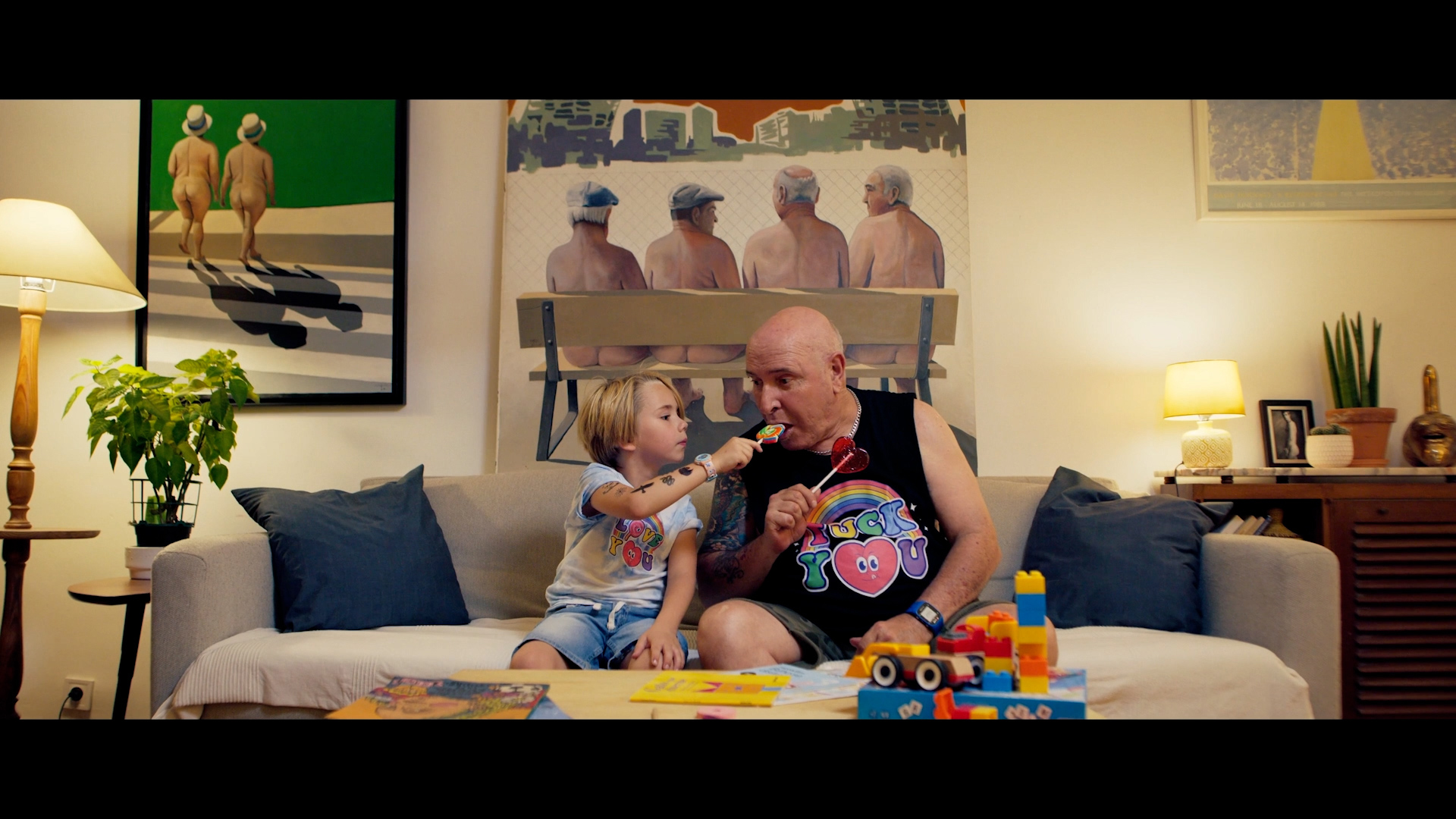
Toma Manov: And since the story revolves around a family, were there any specific techniques you used to reinforce that sense of family on screen?
Tess Masero: I think they did quite a bit of rehearsing with the child and the main actor. But really, it was more about getting them on set and going through the scenes without repeating too much, just capturing those first moments and the natural feeling of it. The child’s parents were there too, of course, and we had created a kind of family atmosphere among all of us. We spent time together, we ate together beforehand, so that he would feel comfortable. I think that really helped to create the overall sense of family in the story.
Toma Manov: So it sounds like the positive dynamic among your small crew translated into the emotional tone of the film.
Tess Masero: We were a really small team, between crew and actors, maybe around ten people. And we were working in a very small space, so there was really no other option than to either become like a family… or kill each other. So we went with the family vibe.
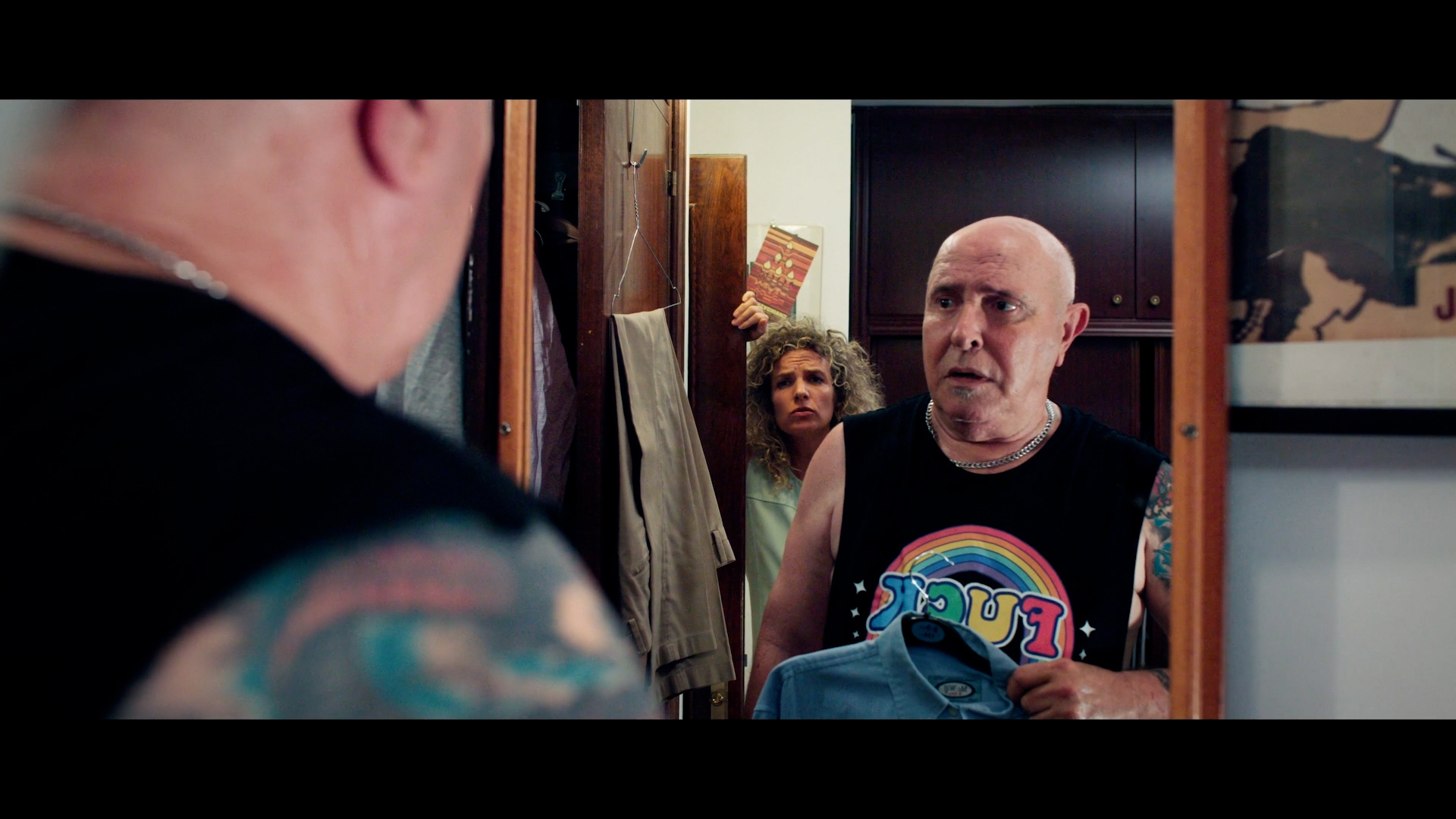
Toma Manov: Were the stylistic choices, like lenses, lighting, your personal touch, or were you following a vision laid out by the director?
Tess Masero: Yes. Carlos [Pérez], the director of this film, has a very clear idea of what he wants. So in this short film, I wasn’t really able to go much further than what he had in mind. My job was to bring his vision to life and, of course, to discuss the choices we made together. But he really knew exactly what he wanted, the lenses, the lighting, so I almost, well, I assisted him in achieving what he had envisioned.
Toma Manov: Were there any unpredictable challenges on set, especially working with a child actor?
Tess Masero: Well, of course, the child got tired. And the main actor, he's an activist in real life, so he's not an actor in his day-to-day. So yes, that was also a challenge. And it was Madrid, 40 degrees in the summer, all the windows closed, no air conditioning. I mean, it was hot, super hot. So that was another challenge. But we are very happy that the story gets across and the message is shown to the people.
Toma Manov: And did you have any involvement in the color grading?
Tess Masero: No. The director also edited it, so he knew exactly what he wanted. So he was very clear with his vision, and it was very interesting to work with him because he had no doubt about how he wanted the movie to be.
Interviewer: Toma Manov
Editor: Martin Kdulac


