


COLLECTABLE STORIES: GEKAS

GEKAS
Short Talk with Dimitris Moutsiakas (director) and Alex Tiliopolous (producer)
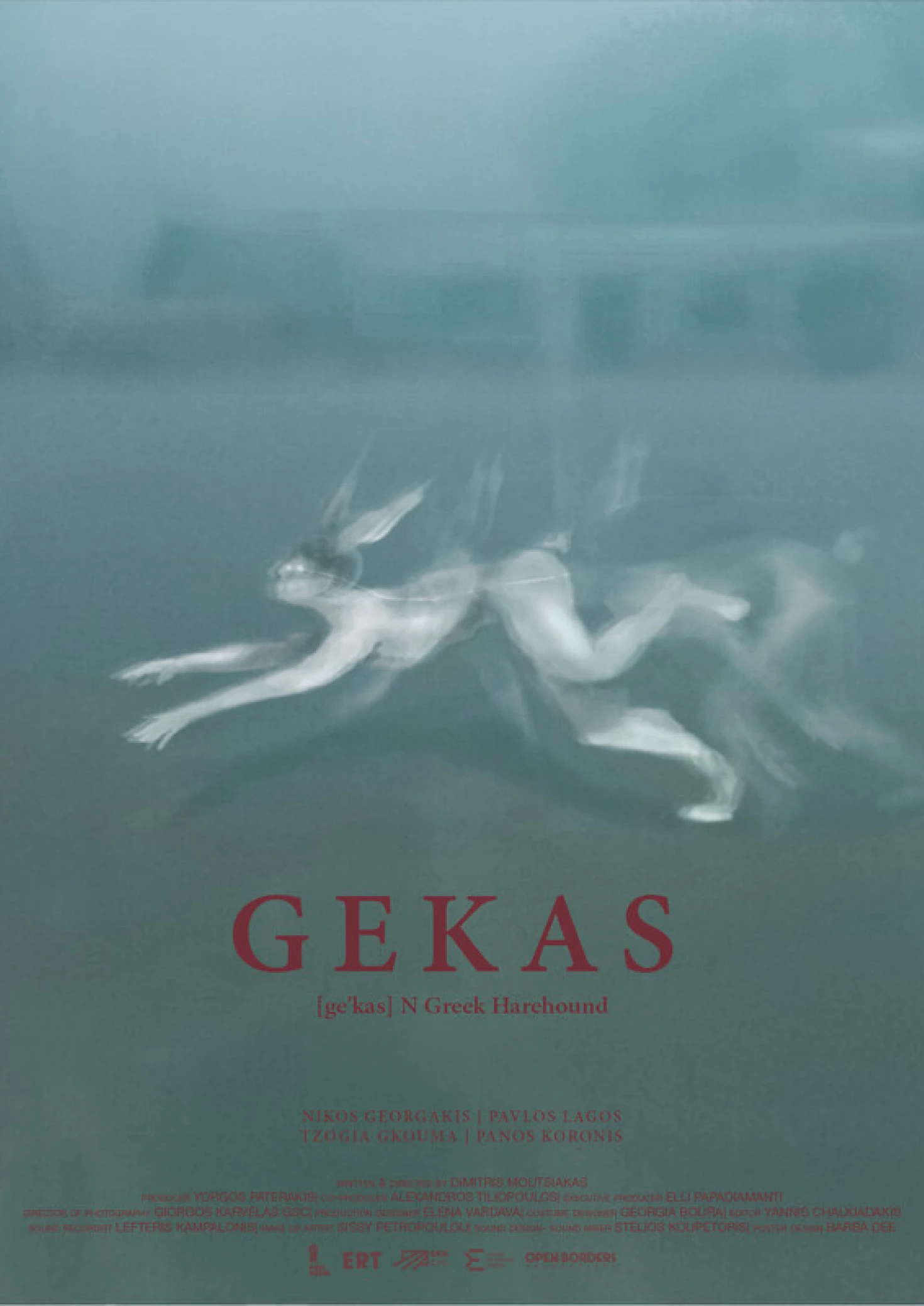
BEST SHORT FICTION FILM Category
22nd IN THE PALACE International Short Film Festival 2025
Greece, Fiction, Modern Greek (1453-), 00:25:59, 2024
Synopsis: Vasilis lives with his father in a Greek village in the countryside. When he turns 12, his father will start training him to be a hunter. When he gets a hound to help him hunt, Vasilis will find a hopeless friend in the face of the puppy. However, his father has a different opinion on how his son should grow up based on his own model.
Biography: Dimitris Moutsiakas was born in 1986 and studied at the Lykourgos Stavrakos Film School. With his first film, Who's Santa? (2011), he competed in the national and international section of Drama International Short Film Festival. The film also participated in international festivals around the world and was awarded the Odysseus Award of Best Short Film at the LGFF and Award of Silver Reel at Lucerne Film Festival 2013. In 2020 he made his second short film, Bourn, which has competed at the Drama International Short Film Festival, Athens International Film Festival and other festivals abroad.
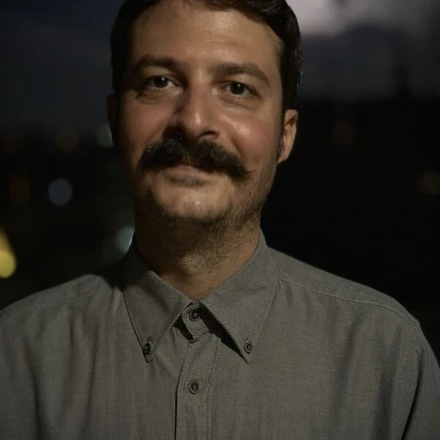 Dimitris Moutsiakas, director
Toma Manov: Dimitris, your film explores a complex father-son relationship. Would you say that the father’s ideas of what a man should be create communication difficulties between them?
Dimitris Moutsiakas: Yes, that’s definitely one aspect. But the film is not just about a father or about masculinity. It’s also about the structure of family in Greece, how families often try to shape their children in their own image. Like if a father is a doctor, he expects his children to become doctors too. It’s almost a kind of process. There’s also a layer of toxic masculinity. The father in the film isn’t a good hunter, and he’s bullied by the other hunters. He wants his son to become a “real” hunter, so he won’t be mocked the same way.
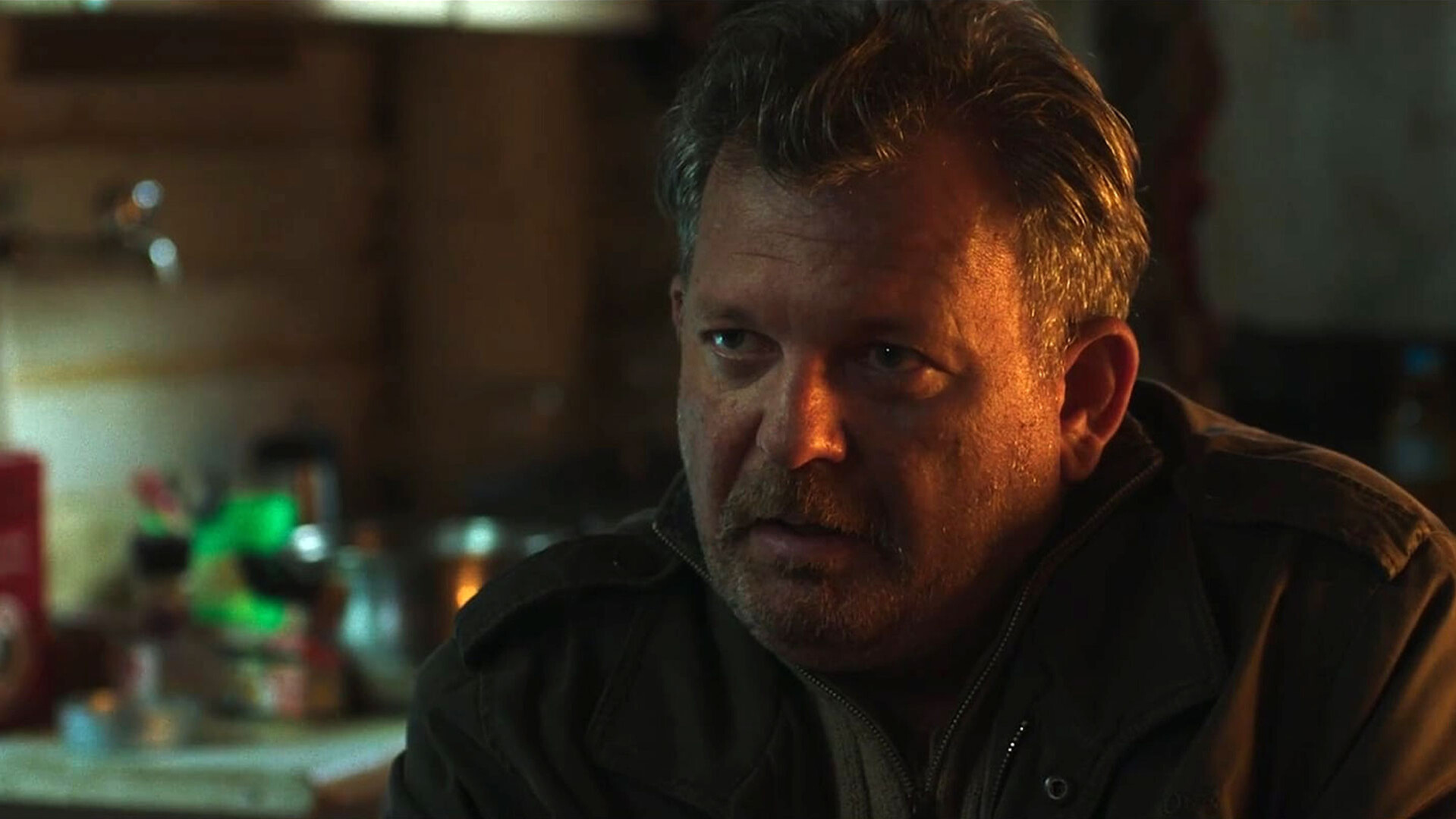
Toma Manov: That leads me to a broader theme in the film. The father seems to view the dog less as a companion and more as a tool. Could the same be said about how he sees his son, more as an extension of himself than as an individual?
Alex Tiliopolous: The father is trying to shape his child to be strong, to survive in the community. There’s very little emotional expression. It's a rigid form of fatherhood, built around control and survival.
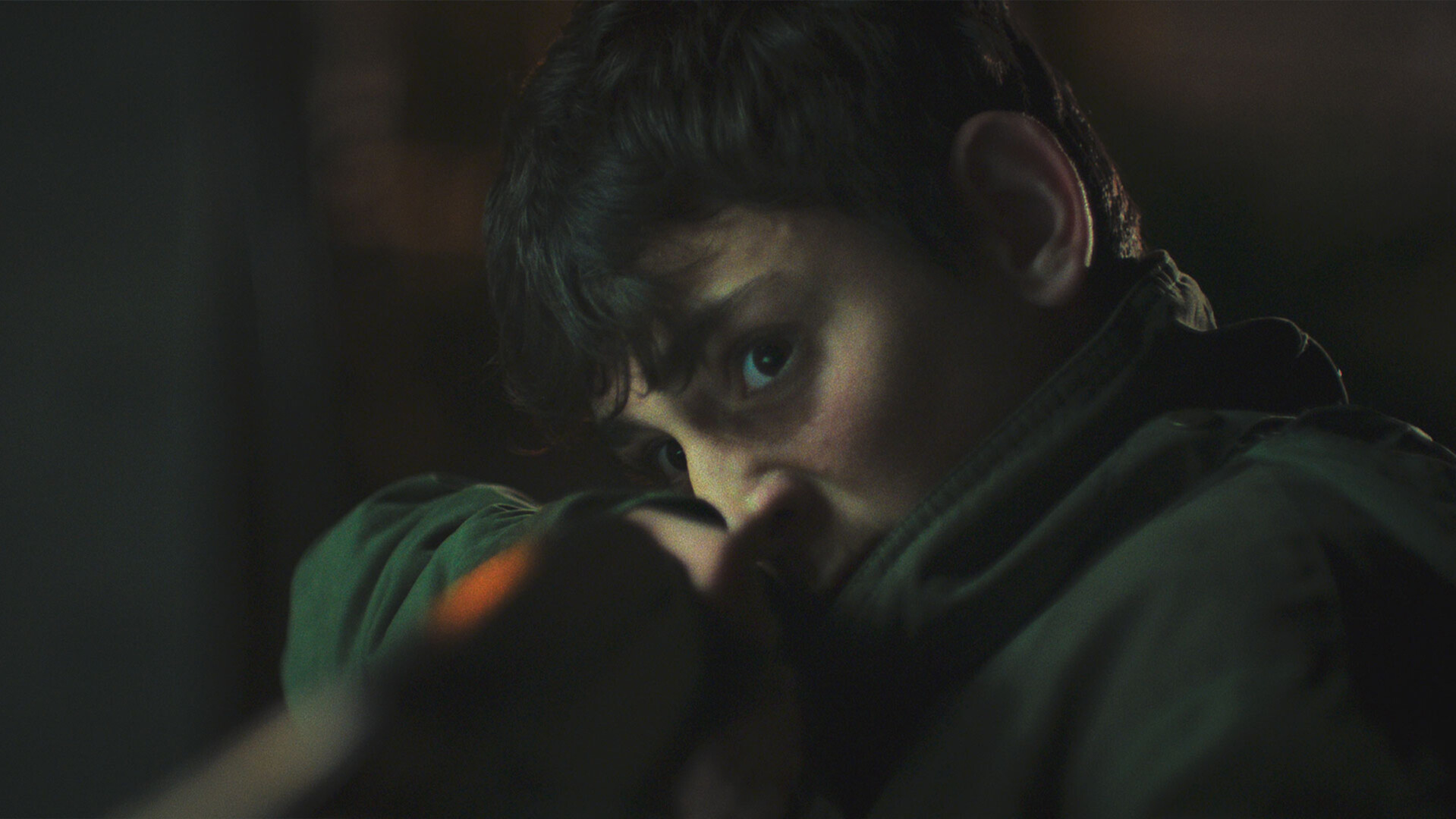
Toma Manov: The son’s purpose becomes representing traditional masculine values?
Tiliopolous: We see that very often. Especially in countryside, in conservative parts of Greece.
Toma Manov: The film feels very personal at times. Dimitris, was it inspired by your own experience?
Moutsiakas: It’s a very personal story. When I told my parents, I wanted to become a filmmaker, they didn’t support it. They told me to leave home and live independently.
Interviewer: Toma Manov
Editor: Martin Kudlac


