


COLLECTABLE STORIES: FEVER DREAM JANTIEN (Jan10)

FEVER DREAM JANTIEN
Short Talk with Maros Pulscak (director) Michael Grooff (actor)
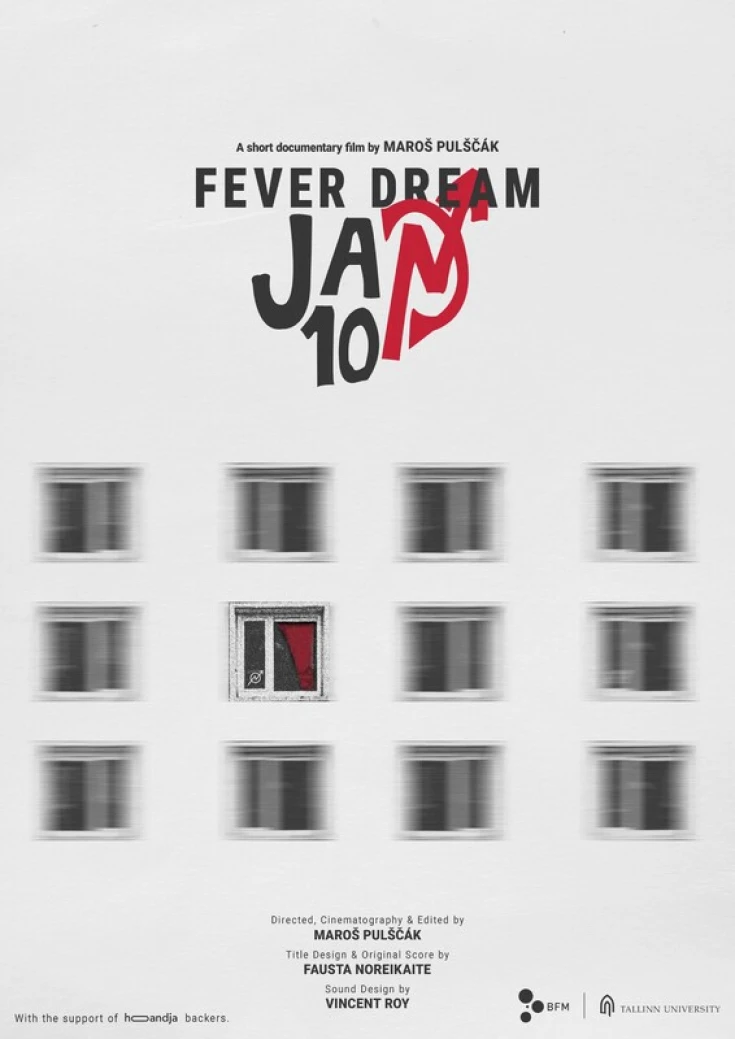
BEST SHORT STUDENT DOCUMENTARY FILM Category
22nd IN THE PALACE International Short Film Festival 2025
Estonia, Documentary, Dutch, English, 00:19:22, 2024
Synopsis: The Netherlands, a bastion of capitalism, has struggled with unprecedented housing crises since 2018. This brings a rise of different ideologies that challenge the dominant status quo. In the city of Nijmegen, an anarchist collective JAN10 battles the ongoing housing crisis by squatting empty buildings, which poses a threat to the established capitalist order. The documentary ‘Fever Dream JAN10 chronicles the journey of this close-knit anarchist collective as they confront the housing crisis head-on, perpetually at odds with capitalist interests, potentially disrupting the established order.
Biography: Maros Pulscak is a Slovak film director specializing in fiction and documentary cinema. He studied Arts and Culture at Radboud University and earned Cum Laude Master’s in Documentary Film from the Baltic Film School. Influenced by Surrealism and the Czechoslovak New Wave, his films challenge social norms and explore unconventional themes. His works Backstage Bardo (2023) and Fever Dream Jantien (2024) premiered at the A-class Tallinn Black Nights Film Festival. He is currently developing films like Guzzling Mouth and other projects.
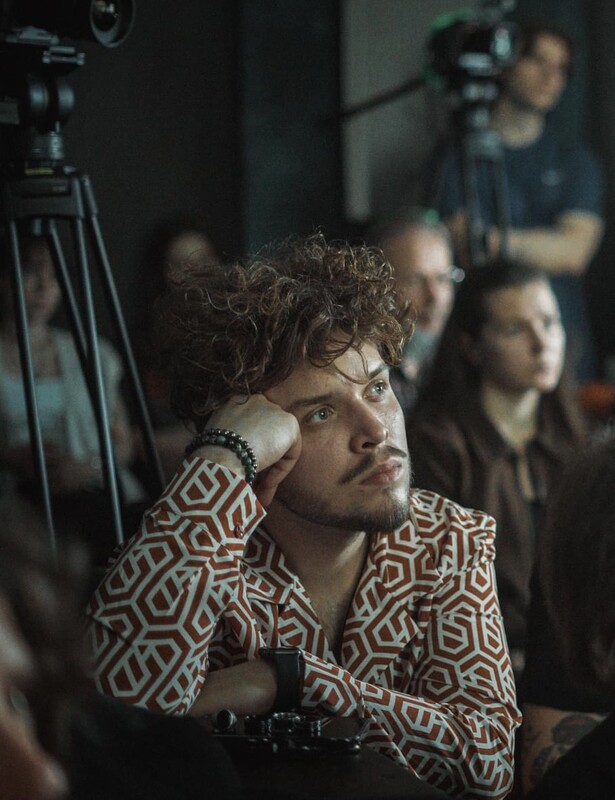 Maros Pulscak, director
Evgenia Timova: I found your film incredibly raw and immediate. It tackles a very real, yet often invisible, issue in the country. You mentioned that some scenes weren’t entirely documentary, that they were acted. Can you clarify that?
Maros Pulscak: Well, the beginning of the film was included mainly to protect the group to ensure they couldn’t be targeted or attacked in any legal way. But everything else in the film is completely genuine. There’s no acting. I’m not sure why Michael is listed as an actor, he’s just part of the documentary.
Michael Groof: If I can add to that, since 2011, squatting has been illegal in the Netherlands. You can get up to two years in prison if convicted. So it was really important that we had some level of plausible deniability.
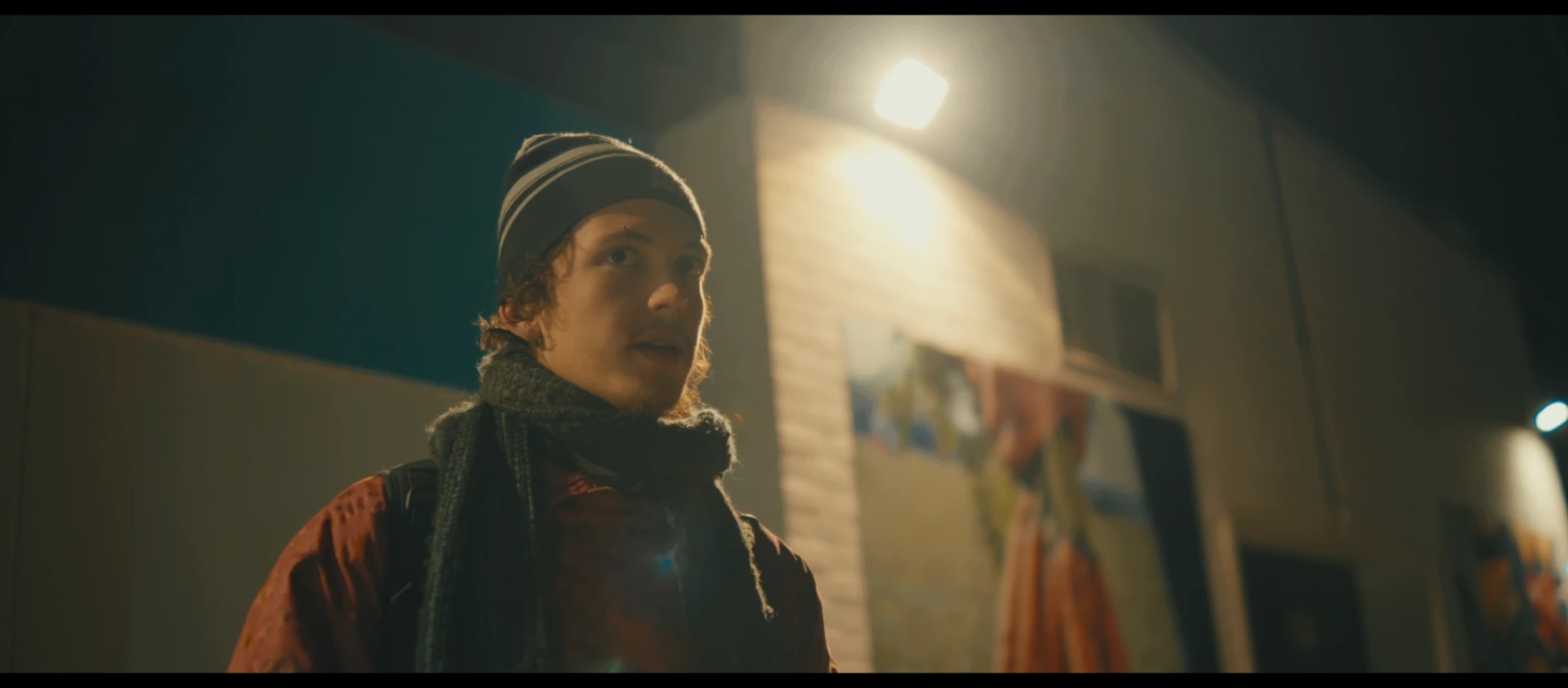
Evgenia Timova: So I imagine organizing the shoot and filming must have been risky. How did you manage to stay under the radar?
Groof: The key thing is that I was already part of the group. I knew Maros and was able to bring him in and introduce him to everyone involved. We had to build a really strong level of trust so that people felt safe enough to allow a camera into their space. It helped that Maros had a small camera, it wasn’t very conspicuous. In some ways, that actually worked in our favor. When you’re filming on the street with a small camera, people often assume you’re shooting fiction or something permitted, when in reality, we were technically committing a crime.
Pulscak: Yeah, absolutely. And of course, there were people who didn’t want to appear in the film, and we respected that. If someone ended up in a shot by accident and asked about it, we reassured them: “Don’t worry, you won’t be in the final cut.” That happened multiple times. So while many people were part of the experience, not everyone appears in the film.
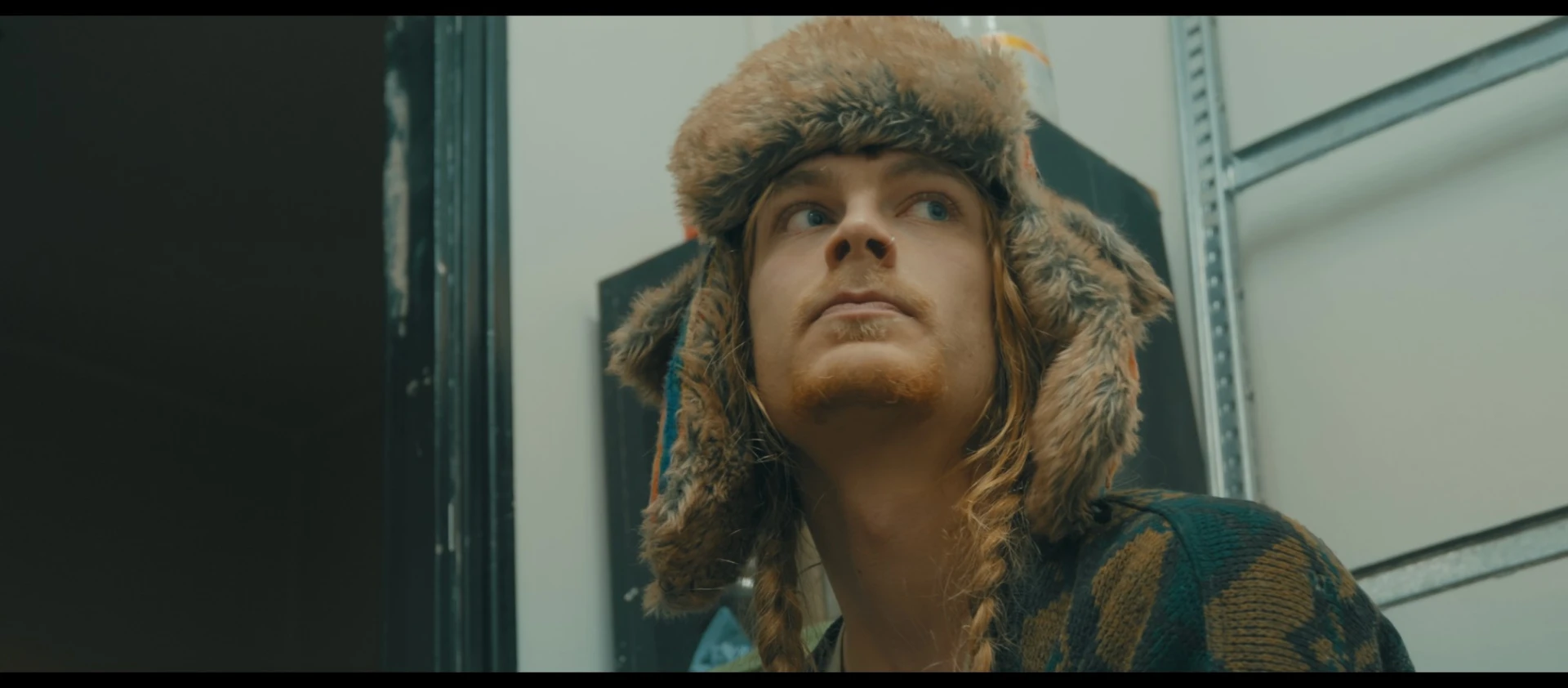
Evgenia Timova: But speaking of that when dealing with politically charged topics like this, filmmakers often have to define ethical boundaries. In this case, what did you prioritize? Ethical concerns or technical storytelling?
Pulscak: With my documentaries, I always take a “fly on the wall” approach. I don’t intervene, I just observe. Then I build the story during the editing process. Of course, while shooting, I’m already thinking about structure, what might go where, how things will connect, but the biggest challenge for me was bringing all the layers together: what is anarchism, what is squatting, why are people doing it? I wanted to show that squatting isn’t just about occupation, it’s about communal living, solidarity, and a deeper sense of community. That was my main goal: to show why what they’re doing can actually be a good thing.
Interviewer: Evgenia Timova
Editor: Martin Kudlac
Evgenia Evtimova’s Take
Since 2011, squatting has been criminalized in the Netherlands, punishable by up to two years in prison. Yet in Nijmegen, a small anarchist collective known as JAN10 (Dutch: Jantien) defies this system by occupying vacant buildings and resisting a housing crisis that disproportionately affects the working class. Fever Dream JAN10 through the eyes of Maros Pulscak pulls us into their world, illegal, improvisational, and deeply communal.
Pulscak films with a quiet urgency, embedding himself within the JAN10 collective, a group that has taken over empty buildings in protest of a housing system skewed by speculation and surplus wealth. Even the opening scene, staged for legal protection, acknowledges the blurred lines between documentary observation and tactical self-preservation.
What follows is unscripted and fully vérité. The camera stays close, not only in an exploitative way, but as if invited to bear witness without revealing too much. The cinematography is agile and unpolished in the best sense, echoing the instability of the environment. Domestic interiors double as political battlegrounds; third spaces, stairwells, kitchens, communal floors, are where the most revealing conversations unfold.
Pulscak’s minimal footprint is part of the film’s success. The small camera, and the director’s relationship with insider Michael Grooff, helped build trust in a community that typically avoids exposure. “Trust was everything,” Grooff shared in a discussion at IN THE PALACE. “We needed to protect people from legal consequences, but we also wanted to tell the truth about how we live.”
And that truth is striking. The film captures the rhythms of anarchist communal life not as performance, but as necessity. The editing structures this mosaic organically, moments of exhaustion, joy, debate, and improvisation blend into a fluid narrative that’s both political and deeply human. Pulscak’s choice to avoid voiceover or overt exposition allows the collective’s ideology to emerge naturally through action, conversation, and daily logistics.
Though rooted in Dutch policy and context, the film has a transnational resonance. There are empty buildings in every major city. There are laws that prioritize capital over people. Pulscak, who has personally experienced housing insecurity, taps into this universality with disarming empathy. “It’s not just about occupying a building,” he says. “It’s about building a community.”
Despite being a student project, Fever Dream JAN10 stands alongside more seasoned political documentaries in both risk and vision. It asks hard questions, but more importantly, it listens, to the voices that are rarely heard, and the lives that unfold between demolition orders and whispered solidarity.


