


COLLECTABLE STORIES: ERIN'S SLEEP

ERIN'S SLEEP
Short Talk with Edwin Hasler (director)
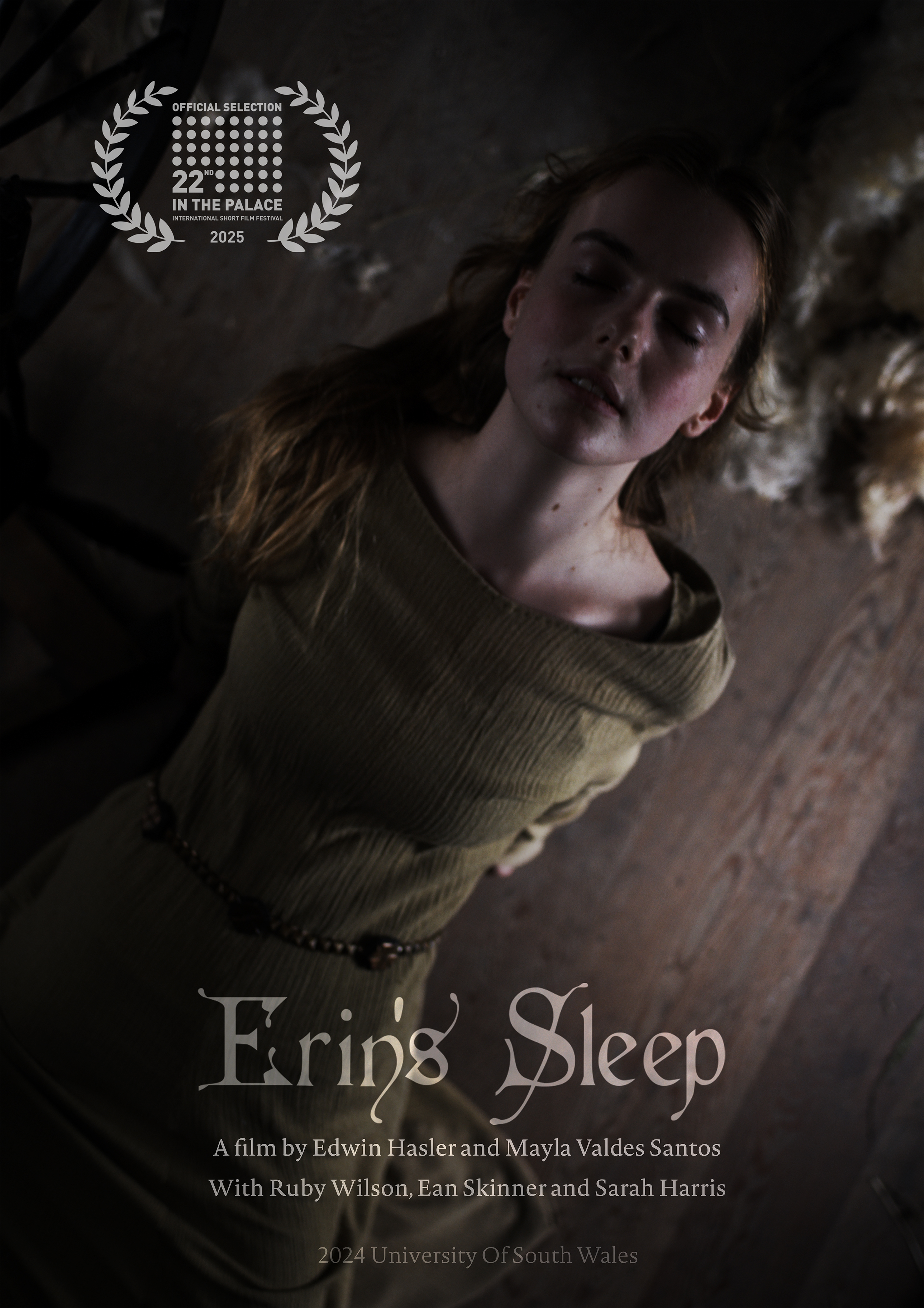
BEST SHORT STUDENT FICTION FILM Category
22nd IN THE PALACE International Short Film Festival 2025
United Kingdom, Fiction, English, 00:12:25, 2024
Synopsis: A reimagining of the Sleeping Beauty fairytale. Trapped in a dream, princess Erin fights to escape her overbearing father. Paranoid and confused about who she can trust, she is pulled into a psychic battle outside of time.
Biography: Edwin grew up in Bristol in the South West of England. He studied Fine Art in Falmouth before working in factual television as a self-shooting producer. In 2023 Edwin gave up work to become a student again and study Cinematography on the Film MA at University of South Wales.
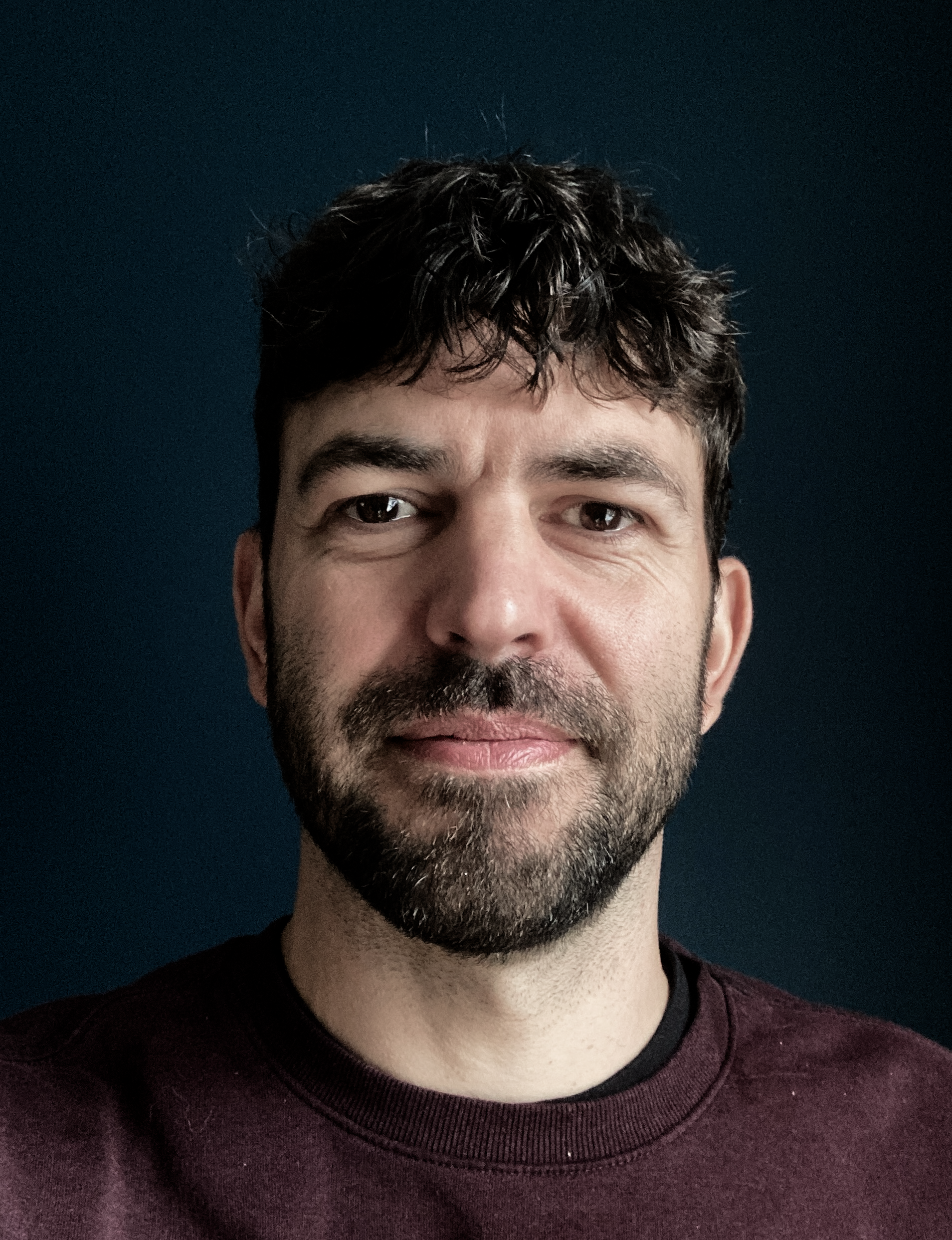 Edwin Hasler, director
Kaloyan Vasilev: From what I understand, Erin’s Sleep is essentially a reimagining of Sleeping Beauty. But you’ve turned it into something psychedelic, almost like a fever dream. How did you merge those ideas?
Edwin Hasler: The idea was to take an ordinary story that everyone already knows, which is useful for a short film because you’ve got a ready-made world and a familiar history, and then take it somewhere completely different. Instead of her just falling asleep and waiting to be rescued, in our version she has a trip, an intense experience that messes with her life and mind.
Kaloyan Vasilev: In the film, where does the dream actually begin? Is it after the opening, or earlier?
Edwin Hasler: She’s in the dream for the entire film, except maybe at the very end when she wakes up. But yes, right from the start, the whole thing is set within this imaginary, subconscious dream space.
Kaloyan Vasilev: And this was a student project?
Edwin Hasler: Yes. I made it with Mayla Valdés Santos, who unfortunately isn’t here today. It wasn’t our graduation film, we made it alongside our grad film. It was a passion project with only small amounts of support and resources.
Kaloyan Vasilev: So you didn’t have the usual constraints of a student brief, it was your own thing?
Edwin Hasler: Exactly. We didn’t ask anyone what we should or shouldn’t do. We just went out and made it, trying to be as impactful and economical as possible. For example, the recurring scenes where she keeps reliving the same moments, that was a practical way to maximize our shooting days. Each time we set up a scene, we’d film it three different ways. Then in the edit, we could build that slightly chaotic, looping experience.
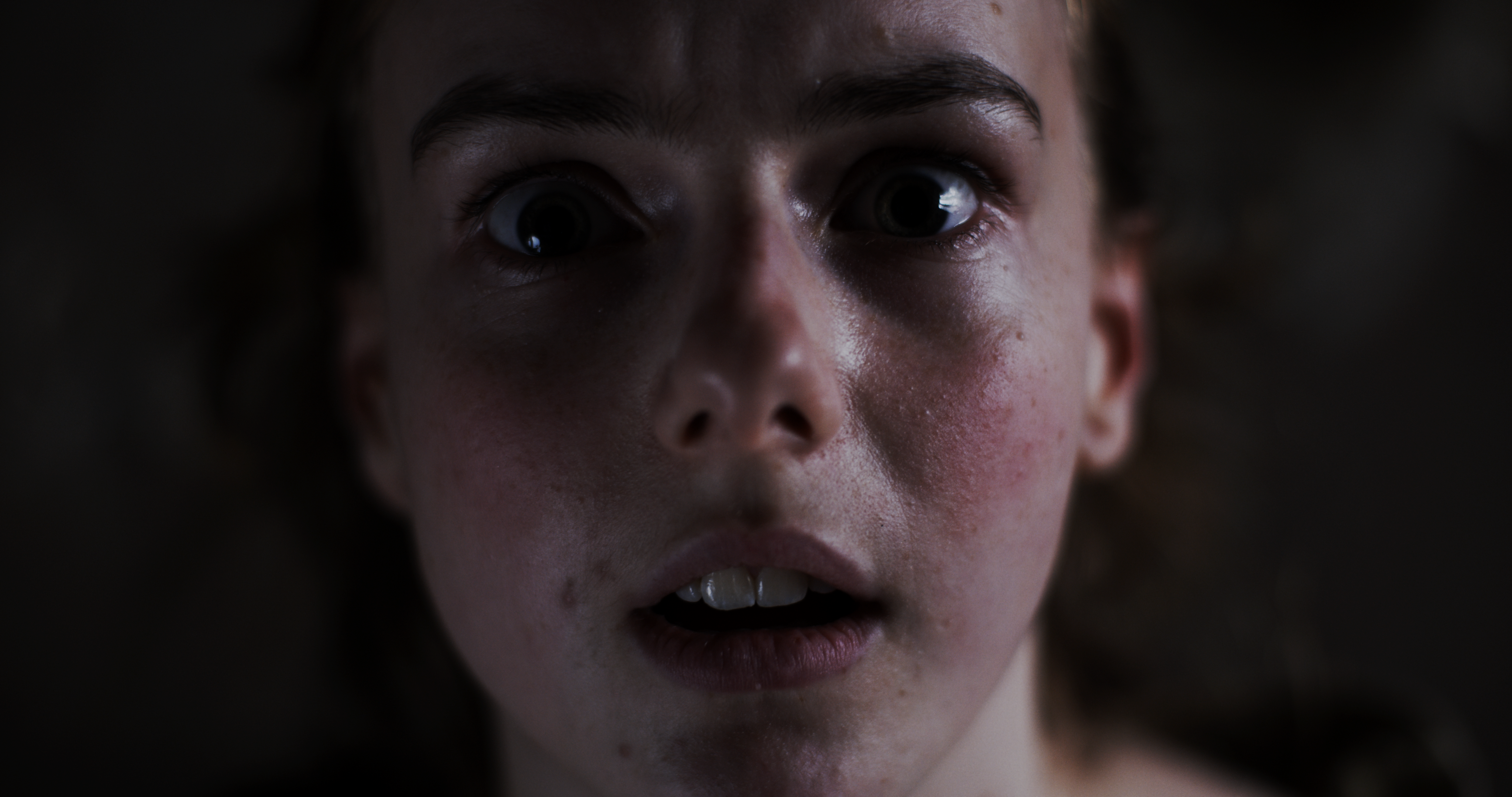
Kaloyan Vasilev: There’s very little dialogue in the film, but it still says a lot, especially when paired with the music and visual effects. How did you approach that layering?
Edwin Hasler: I storyboarded it, thinking about how to create those layers from the start. The goal was to give myself enough material in the edit to shape the experience. We shot more than what made it into the film, some good stuff didn’t make the cut, but having that extra material gave me options. With surreal, non-linear storytelling, it’s about layering, images, music, pacing, and then going with what feels right.
Kaloyan Vasilev: You mentioned cutting a lot. Was there anything you regret leaving out?
Edwin Hasler: No, not really. We cut some good shots, but I think you can judge the strength of your edit by the quality of what you leave out. If removing something, even something good, makes the film stronger, you should do it.
Interviewer: Kaloyan Vasilev
Editor: Martin Kudlac
Kaloyan Vasilev’s Take
Erin’s Sleep, a 13-minute student short fiction co-directed by Edwin Hasler and Mayla Valdés Santos, is a psychedelic reinterpretation of Sleeping Beauty, immersing the viewer into the disorienting dreamscape of a young girl, princess Erin, caught in a haunting time loop.
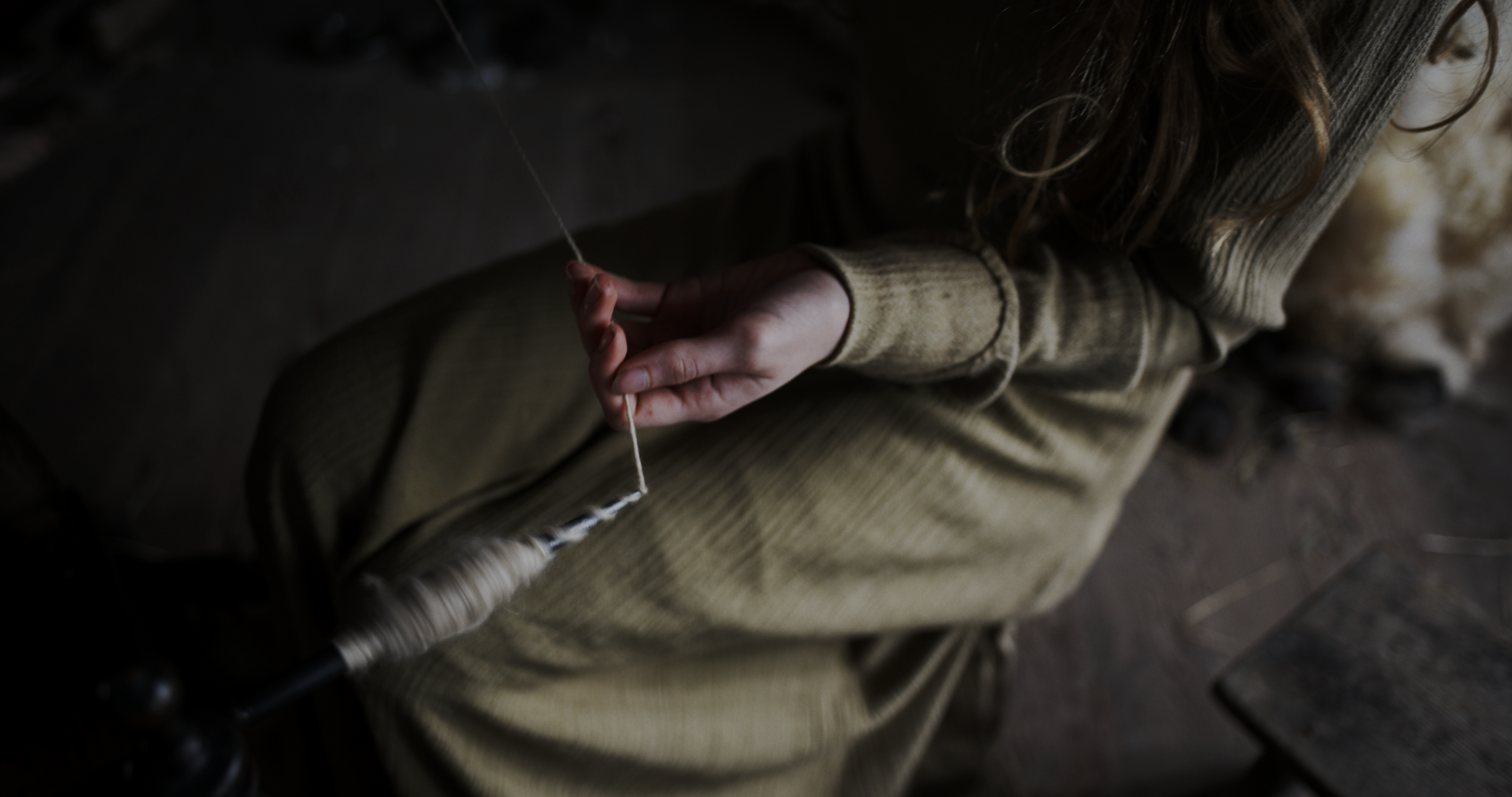
The film begins with what seems to be a classic retelling: the princess discovers a spinning wheel, touches it, and inevitably pricks her finger. But the narrative quickly fragments, as the same scene begins to repeat, each time with subtle, eerie variations. These repetitions intensify the sense of déjà vu, establishing an unsettling atmosphere that suggests we are watching not reality, but Erin’s own nightmare. What follows is a hypnotic plunge into a kaleidoscopic realm, amplified by electronic beats and stylized visual distortions.
Through contemporary music and editing techniques, Hasler and Santos reframe this familiar children's tale into a fever-dream of spiraling anxiety. The film’s rhythm shifts from a slow, looping introduction into a chaotic audiovisual trip. After a belittling scandal between Erin and her father, the king, she seeks comfort from a friend, a mysterious figure, fulfilling the role of a weaver. But this moment only deepens the confusion, as time and identity begin to dissolve.
The relationship between Erin and the weaver anchors much of the film’s emotional unease. While Erin grows increasingly disoriented, the weaver’s presence darkens, becoming more enigmatic and threatening. This descent is visually and aurally reinforced by warped sound design, glitching edits, and symbolic props that blur the lines between waking life and dream logic.
Despite its repetition, Erin’s Sleep avoids stagnation by constantly altering tone, movement, and texture, making it an ideal fit for IN THE PALACE’s video art gallery. The film functions as a sensory experiment, where narrative gives way to rhythm, gesture, and feeling. It’s not just a retelling of Sleeping Beauty, but a reimagining of what being locked in a dream can look and feel like on screen.


