


COLLECTABLE STORIES: DEAD RED KITE

DEAD RED KITE
Short Talk with Finn Morgan-Roberts (director)
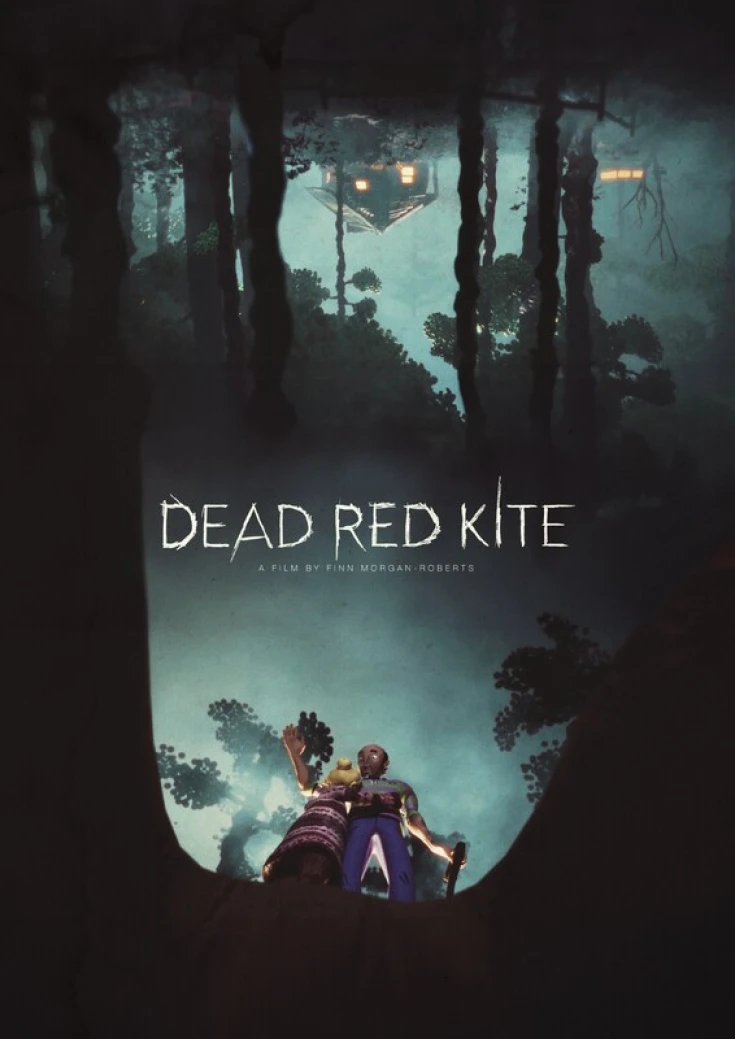
BEST SHORT STUDENT ANIMATION FILM Category
22nd IN THE PALACE International Short Film Festival 2025
United Kingdom, Animation, 00:04:03, 2023
Synopsis: When a bird of prey gets ran over, a teen girl's insistence to give it a funeral ignites conflict within her family. Dark, twisted, and yet still light-hearted, this animated horror drama plays on the extremes of childhood emotions.
Biography: Finn Morgan-Roberts has been working in live action and animation for nearly 8 years, with his film Dead Red Kite being his first CGI short film. His work focuses on subverting horror conventions, and often combines multiple mediums like live action, stop motion, 2D, and CGI. He currently lives in London where he does freelance animation, and is working on his next short film.
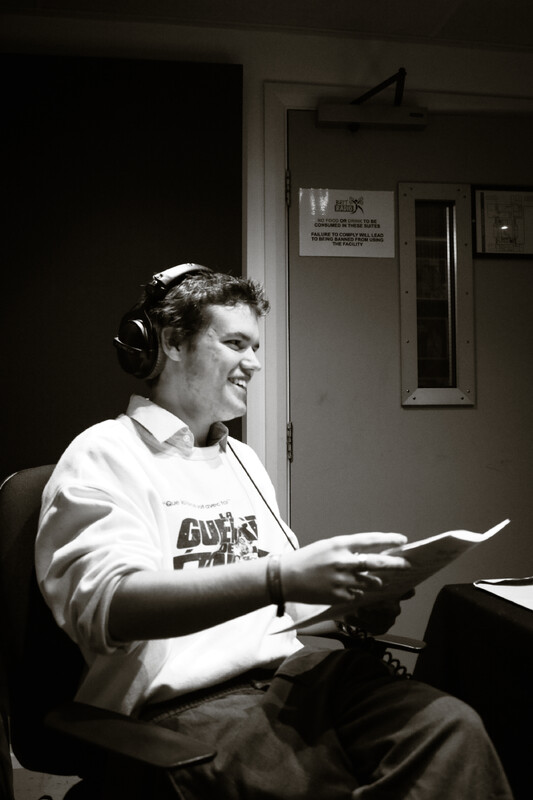 Finn Morgan-Roberts, director
Evgenia Timova: Finn, you made one film before this one, Lonely Souls, which was stop-motion. But Dead Red Kite is 3D animation, though it still has a bit of a stop-motion feel, with some 2D elements. What made you switch from stop-motion to 3D?
Finn Morgan-Roberts: At the time, I just wanted to get a job out of uni. But I’ve actually quit CG since then, I’ve gone back to stop-motion. CG is very clinical, and I didn’t really enjoy it. I figured I’d rather make less money doing something I love than make more doing something I didn’t.
Evgenia Timova: So now you’re back in stop-motion. Are you enjoying yourself again?
Finn: Yeah, yeah, I’m loving life again. But to be honest, this film just wasn’t enjoyable to make at all.
Evgenia Timova: Do you mean Lonely Souls or Dead Red Kite? I hope Dead Red Kite was more enjoyable!
Finn: [laughs] Yeah, well... I feel bad for the bird.
Evgenia Timova: But you killed the bird, what do you mean?
Finn: Yeah, method acting! I had to really feel what it was like to be the character.
Evgenia Timova: You mentioned killing the bird, that scream was truly piercing, and I was also struck by the sub-bass sound that vibrated through the chest. So I wanted to ask: which came first, the sound or the animation?
Finn: The sound came first, or rather, the final animation came after. In animation, you usually work from an animatic, so there was a storyboarded version early on. I played around a lot with sound, there are certain frequencies that are supposed to make you feel anxious, and I mixed those in with some generic drones. I think it gave the film a unique sound, and honestly, you might be the first person to notice that, so thank you. It was fun experimenting with it. I didn’t want it to feel too orchestral. I originally had a full score, but it didn’t work with the surreal vibe I was going for.
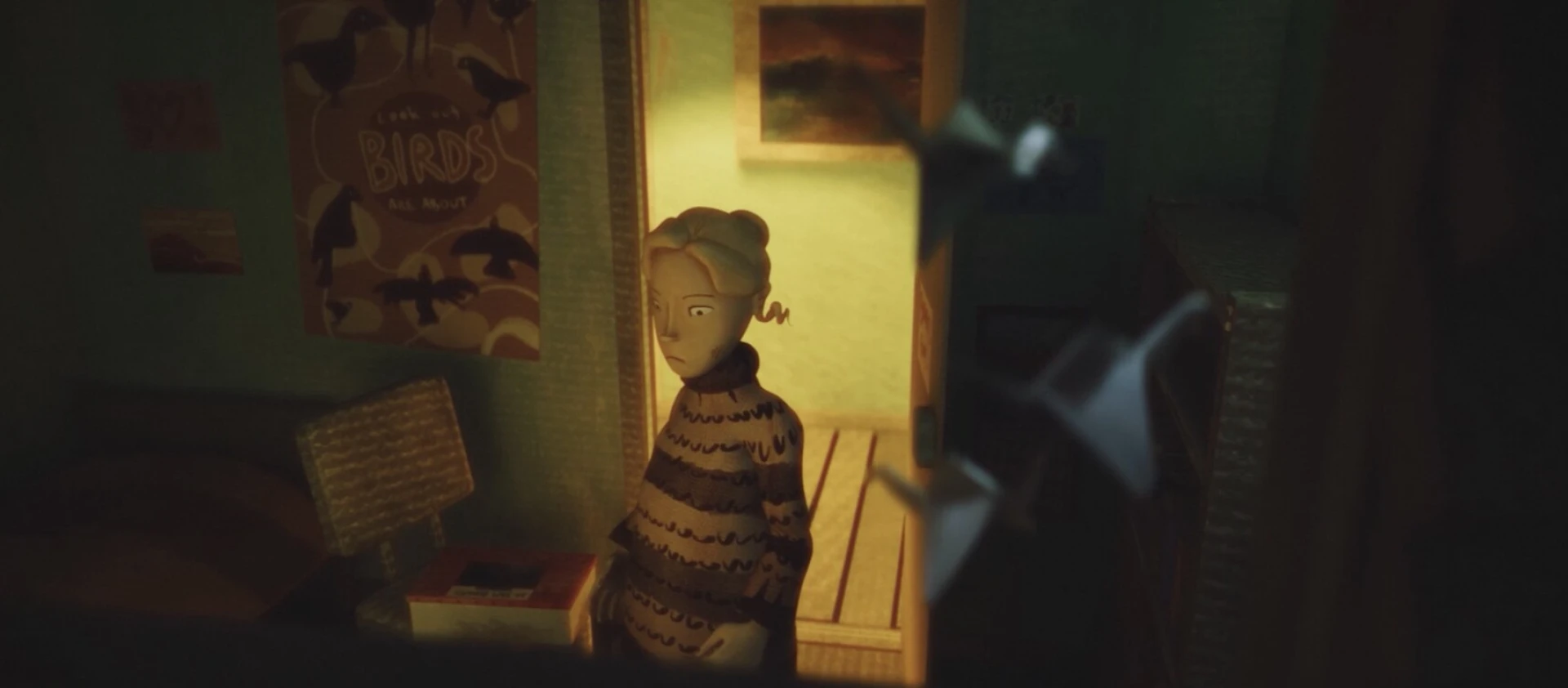
Evgenia Timova: Speaking of that surreal vibe, while the film is quite horrifying, it’s also kind of sweet. You managed to blend those tones in a very striking way. Was that difficult to pull off?
Finn: There was a lot of trial and error. The original script was ten pages long, and I had to cut two scenes, out of four total, so I had to find a new story within the recordings that still worked. Honestly, pretty much everything about the film was accidental. Once I had an animatic that didn’t make people say, “Oh my God, the voice acting, please don’t make me watch that again,” I felt like, okay, we’re in a good place. Not being met with outright hatred is always a win! Anything else that works in the film? Probably just happy accidents.
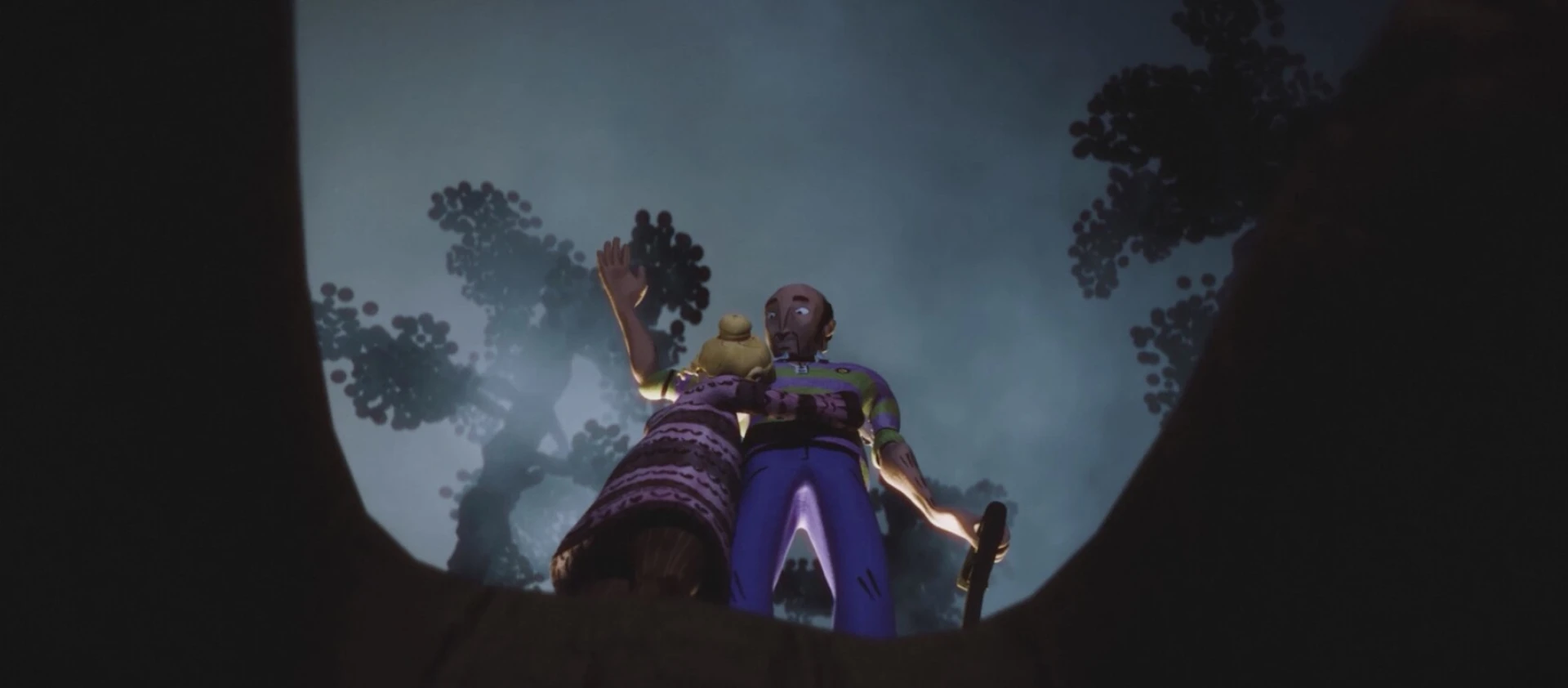
Evgenia Timova: Happy accidents are always welcome. One thing I noticed was the use of light, there’s a striking light beam from the car at the beginning and again at the end. It forms a nice compositional frame. Was that planned from the start?
Finn: That was very much unintentional. But I like that you think it was. Makes me feel like I’m a better filmmaker than I actually am.
Interviewer: Evgenia Timova
Editor: Martin Kudlac
Evgenia Evtimova’s Take
Dead Red Kite, the student animation by UK-based filmmaker Finn Morgan-Roberts, presents a horrific, yet darkly comedic take on the heightened emotionality of childhood. Premiered at the 2024 Manchester Animation Fest and presented at the 22nd IN THE PALACE International Short Film Festival in competition, the film explores the tension between youthful sensitivity and adult indifference, set in motion by a seemingly simple premise: a teenage girl’s insistence on giving a roadkill bird a proper funeral.
The film draws heavily on gothic children's media, think Coraline, combining eeriness with the whimsical. Though primarily a 3D animation, its surface textures and stylised movement suggest a stop-motion influence. According to Morgan-Roberts, this was a deliberate compromise: CG offered professional viability at the time, even if it never fully resonated with him creatively. Nevertheless, Dead Red Kite makes the most of its digital tools, layering hand-drawn elements over 3D animation to create a hybrid aesthetic that feels both personal and slightly uncanny. Compositional choices are strong throughout, such as the repeated motif of headlights forming a compositional frame, a visual tunnel through which the viewer is drawn deeper into the girl's obsessive mission.
Sound is perhaps the most sophisticated formal element of the film. Built around anxiety-inducing frequencies and low-end sub-bass, the sound design is intentionally disorienting. The horrific piercing scream of the titular bird gives the film its tonal axis. Morgan-Roberts originally composed a full musical score, but ultimately stripped it down in favour of drones and minimalist audio cues. The result is a surreal, claustrophobic sonic world that elevates the visual storytelling without ever overwhelming it.
The film is compact and fragmentary regarding the narration. Originally conceived as a longer piece, much of the plot was restructured in post-production. This limitation, two out of four scenes removed, becomes a strength. What remains is a jagged emotional arc: absurd, abrupt, but tonally cohesive. The girl’s performance, animated and voiced with just enough restraint, channels the melodrama of adolescence without falling into caricature. Dialogue is sparse and purposeful, letting the silence, and the ambient tension, fill in the gaps. The pacing is lean and efficient, with every beat pushing the emotional logic of the film, even when the narrative structure remains loosely implied.
Ultimately, Dead Red Kite is an emotionally idiosyncratic short that blends horror and humour without ever settling into a single register. What distinguishes it is not just its tonal ambiguity, but the way it embraces the accidental, both in process and in product. The use of sound, the hybrid animation, and the elliptical story structure all signal a filmmaker interested in creating an atmosphere, not just an image.
This short would sit well in curated showcases of experimental student work, or animation blocks at genre festivals leaning toward the uncanny and surreal. Its relevance lies not only in its craftsmanship, but in its reminder that filmmaking often thrives in the unpredictable spaces between intention and improvisation.


