


COLLECTABLE STORIES: CATS

CATS
Short Talk with Danilo Stanimirović (director)
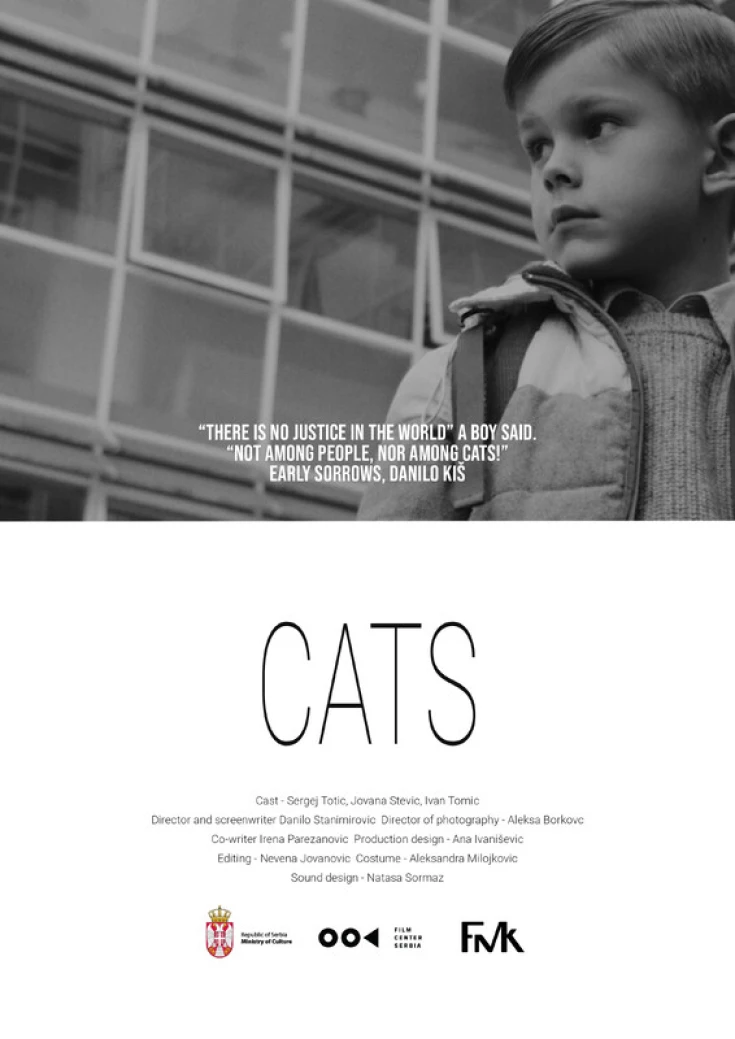
BEST SHORT STUDENT FICTION FILM Category
22nd IN THE PALACE International Short Film Festival 2025
Serbia, Fiction, Serbian, 00:13:14, 2025
Synopsis: A silent little boy Miša finds an abandoned kitten on the street. As his parents neglect him, he is left to learn to live life on his own through the only relationship he can build, with the kitten.
Biography: Danilo Stanimirović is a young filmmaker and chocolate lover. With his short films Bambiland, Prokop and 5/3/0 he has visited hundreds of international festivals and won numerous awards. He is an alum of many workshops and programs including FIDCampus Marseille, Sarajevo Talents Campus, Ateliers Varan, Odense FF TalentCamp, Film+ Bucharest… He has a background in film education and directing TV series. Currently he is working on 3 new films.
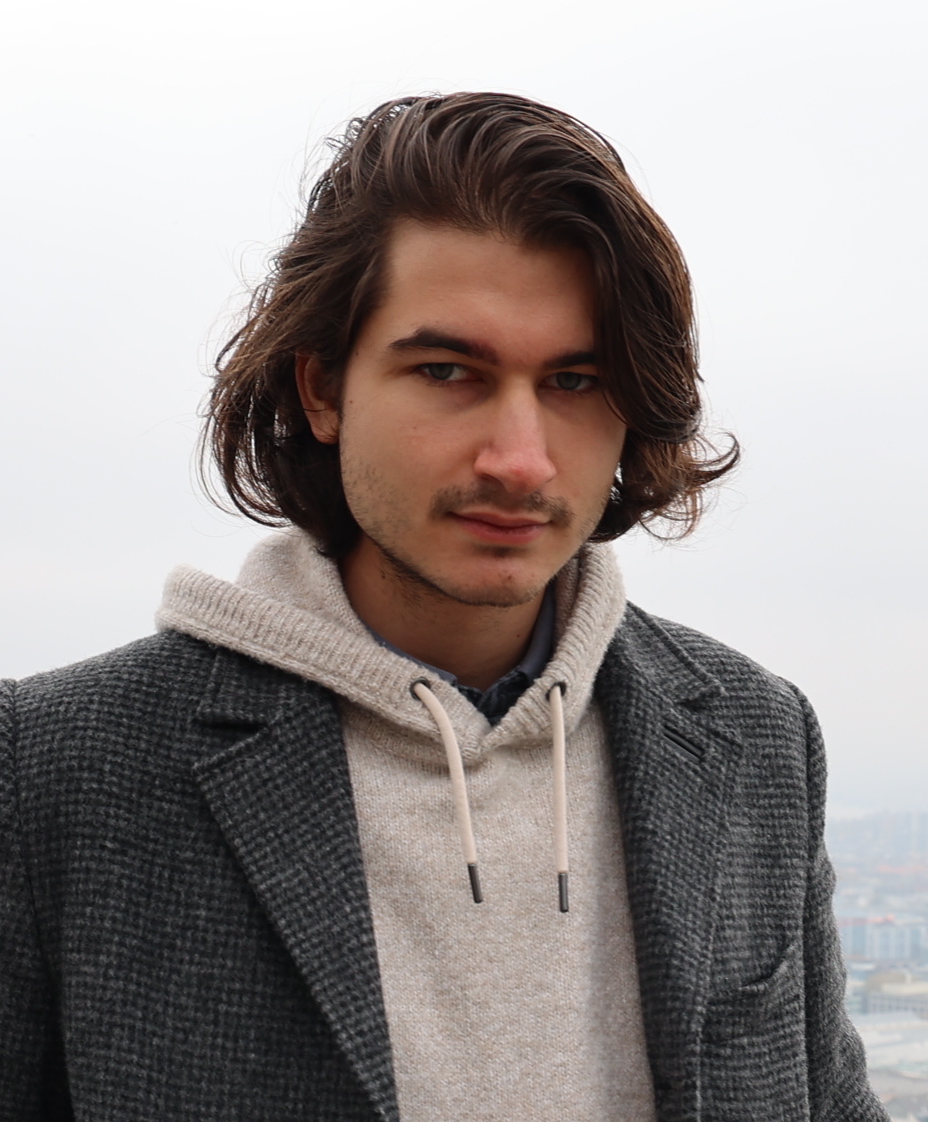 Danilo Stanimirović, director
Evgenia Timova: Working with child actors and animals is notoriously unpredictable, you never know what’s going to happen on set. So how did you manage both and still maintain such a distinct style?
Danilo Stanimirović: Well, I love working with kids. I never really considered it difficult. I mean, of course, you need to do a very thorough casting process to find the right child, and once you do, it’s actually quite easy. I just treated them as adults, not in a way that talks down to them or tries to simplify things. We talked normally, like grown-ups. And they just do what you tell them. They never lie, they’re always present. Sure, they can’t work 12-hour days, and they get tired, but so do we. We just force ourselves through it, they don’t, which is actually very smart. So yes, it was wonderful working with this boy. And as for the kitten, yeah, that was harder. But she was actually a professional kitten, and she was very good too.
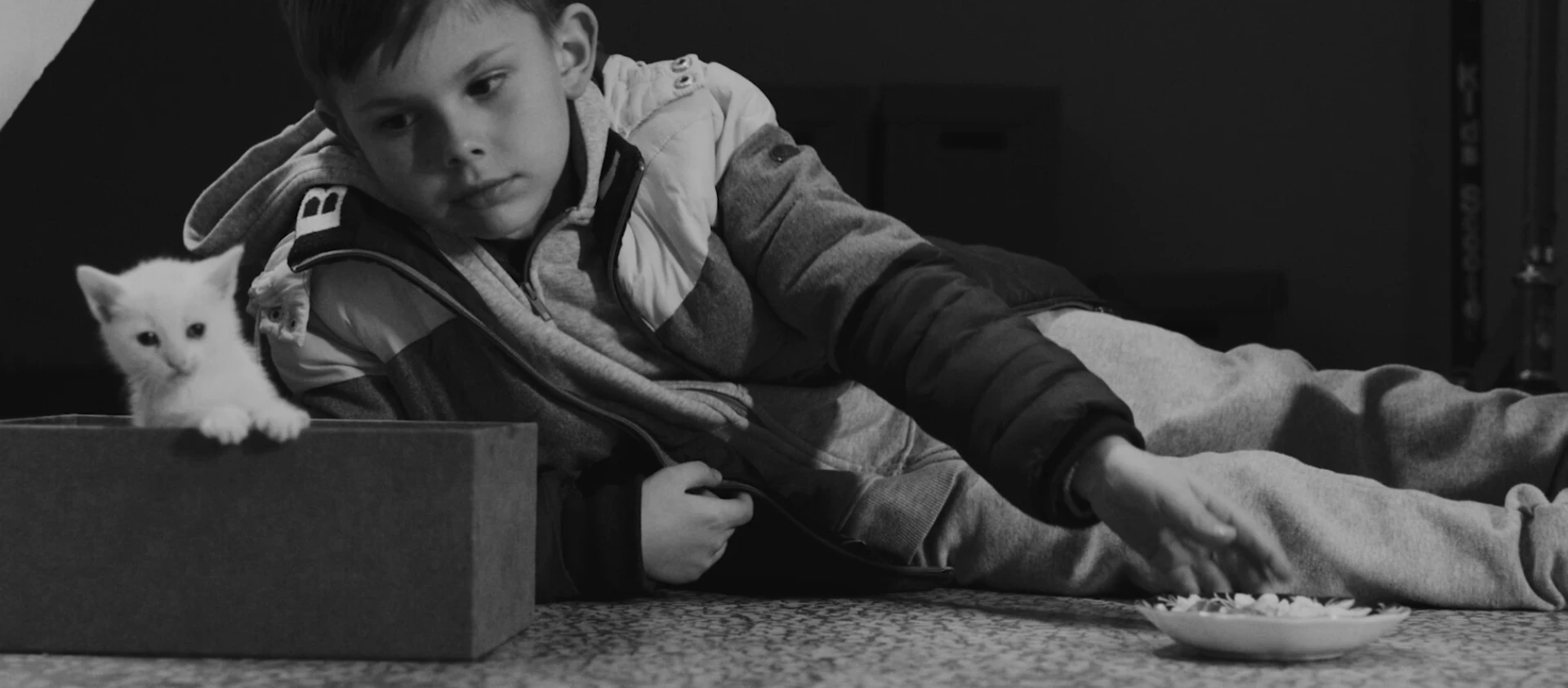
Evgenia Timova: A professional kitten? She was so small.
Danilo: Yes, she comes from a family of very famous acting cats.
Evgenia Timova: So you were working with a star kitten?
Danilo: Yes, exactly. And she was excellent. We also had a silicone cat for certain shots, so we wouldn’t have to force the kitten to do anything uncomfortable. But the kitten was so good that we didn’t even end up using the silicone one, even though it was very expensive.
Evgenia Timova: It looked like such an expensive production, very polished and beautifully styled. How did you manage to pull this off as a student film?
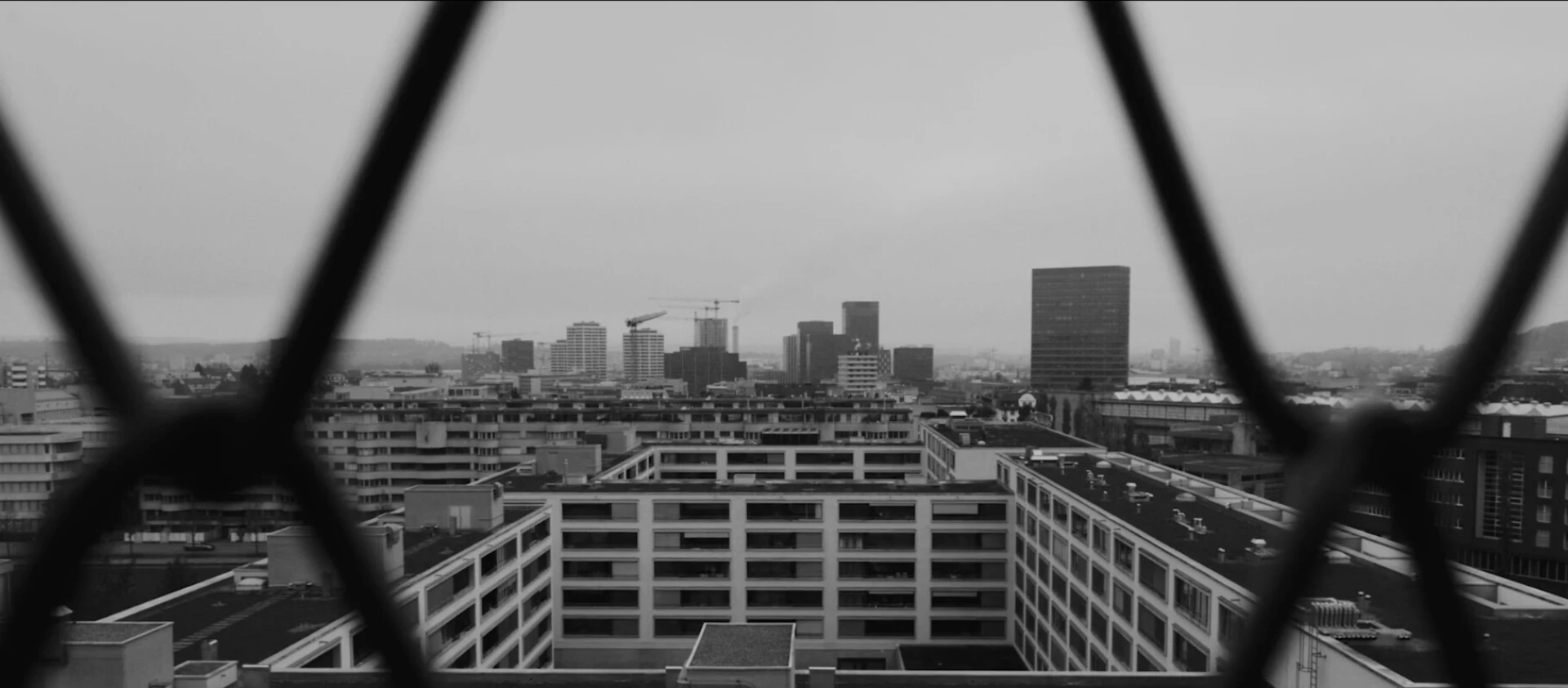
Danilo: Actually, it wasn’t expensive. We applied to a public call for student diploma films through Film Center Serbia and received €5,000 in funding. We shot the film over three days in Belgrade, which stood in for Zurich, where the story is set. Then I went alone to Zurich for a weekend with just one camera, I have family there, and filmed the opening shots of the city. So that’s how we pulled off the look of multiple locations on a small budget.
Evgenia Timova: One thing that struck me was how we never see the adults’ faces, it reminded me of Tom and Jerry, where you only see the cat and mouse, and not the humans. Was that an inspiration, or was it something else?
Danilo: Yes, that was intentional. We always wanted to keep the film from the kid’s point of view, not literally from his eyes, but to stay within his world and experience. The idea was to focus entirely on him, to understand what’s happening to him by observing his presence in the scene. There were actually a few scenes with adults at work, meant to give more social context, but in the end, I decided to cut them and leave only the scenes with the child.
Interviewer: Evgenia Timova
Editor: Martin Kudlac
Evgenia Evtimova’s Take
At first glance, Cats may appear to be a small, quiet film, a boy, a kitten, a story of abandonment and care, but beneath its seemingly modest frame lies an intricate study in perspective, loneliness, and childhood resilience. Directed by Danilo Stanimirović and Zhanel Sabit as a graduation project from UNATC, the film never overreaches. Instead, it distills a complex emotional arc into tightly composed visuals, a sparing script, and an unique point of view: that of a child who has learned to endure.
Shot over three days in Belgrade, with supplemental footage from Zurich, the film’s economy is one of its strengths. Locations are used with precision. Interiors are minimally dressed, external shots spare but specific. The city becomes a vague European nowhere, cold, clean, and indifferent. This abstraction allows emotional realism to take the foreground. Miša, the silent boy at the center, says nothing throughout, and yet his presence dictates the rhythm and emotional temperature of every scene.
The adults are conspicuously absent, or rather, present only in parts. We hear their voices, glimpse their legs, their torsos. Their faces are never seen. This compositional decision is more than a stylistic reference to Tom and Jerry, it is a visual ethic. By withholding adult faces, the directors effectively erase the adult world as a site of empathy or guidance. Instead, Miša’s emotional landscape is mediated entirely through objects, animals, and space. The point-of-view doesn’t mimic his gaze, but it orbits it. He’s never out of frame for long.
Then there is the kitten. Reportedly from a “professional” family of cat actors, though far from domesticated in how she appears on screen. She moves with tentative purpose, sometimes evasive, sometimes in sync with Miša. Their bond is not sentimentalized. Rather, it unfolds as a quiet transaction of survival: care in exchange for company, touch in exchange for trust. We see this reflected in how the boy mirrors the cat’s posture, or shelters her under his coat. The tenderness isn’t performed, but observed.
The film is visually understated but assured. Natural light is used sparingly, with interiors kept to a cool palette. The camera is patient, opting for longer takes, shallow depth of field, and static frames that allow the boy’s stillness to resonate. This restraint serves the story, one of muted neglect, where emotion is less expressed than it is endured.
While the kitten may soften the film's surface, Cats is not a comfort piece. It is a child’s-eye portrait of isolation, and the subtle defiance of forming attachment in a world that refuses to offer it. Without overstating its themes, the film quietly indicts the adult world for its absence, and in doing so, makes space for the smallest, most fragile kind of hope, one that purrs, disappears, and returns again.


