


COLLECTABLE STORIES: BEYOND THE SEA

BEYOND THE SEA
A Short Talk with Philipp Rode (Cinematographer)
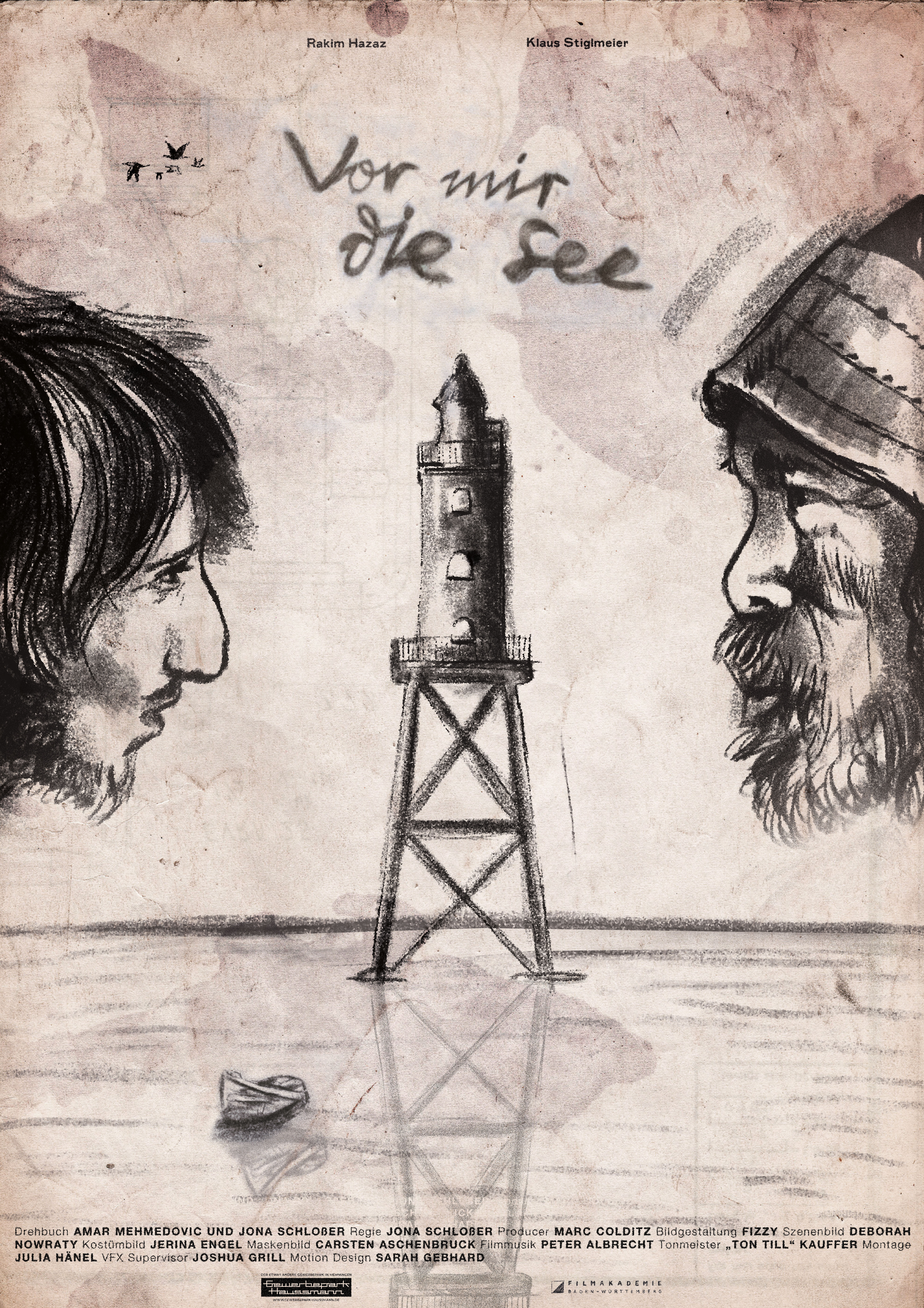
BEST STUDENT FICTION category
22nd IN THE PALACE International Short Film Festival 2025
Germany, Fiction, German, 00:20:47, 2024
Synopsis: The wind sweeps across the sea, causing small white foam crests to form. The old lighthouse keeper Otto goes about his daily tasks. As he trudges into the tidal flats, he startles: A young man lies motionless on the shore.
Biography: Jona Schloßer, born in Munich in 2001, has been passionate about filmmaking since his youth. At 15, he created his first feature film, My Big Journey (2018). After graduating in 2019, he worked on various film and series productions. His short Forgive Me, Father won the 2021 German Youth Film Award and screened at LA Shorts. In 2022, Allein received the same award. Since 2021, he has studied directing at the Filmakademie Baden-Württemberg. He is based in Munich, Germany.
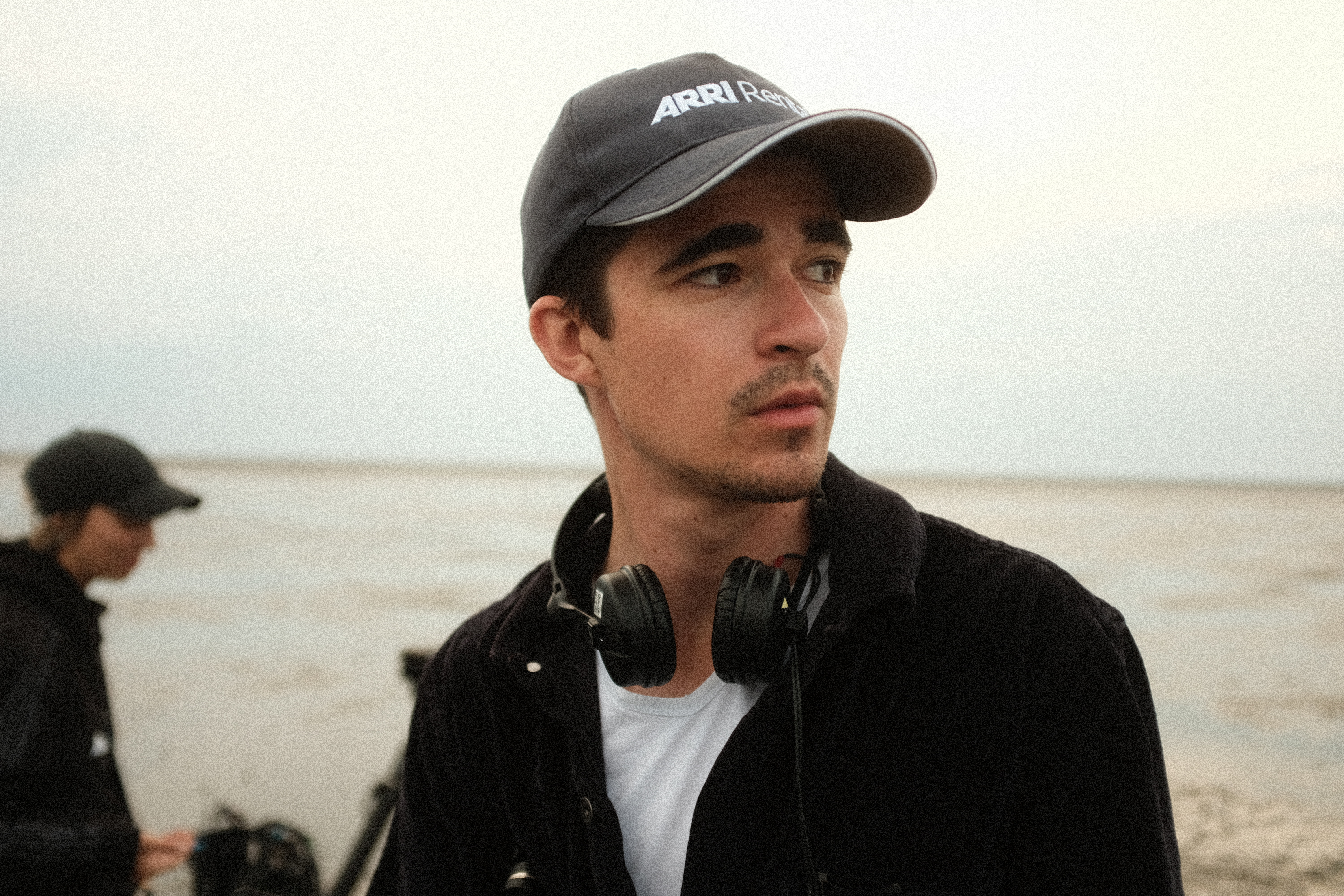 Jona Schloßer, director
Evgenia Evtimova: I noticed there’s quite a lot of sand and muddy waters, so I was wondering, how did you manage to rig everything up without it sinking or getting footprints in the sand that would ruin the shot?
Philipp Rode: There was a bridge, so we had the chance to stay on it, and later we fixed some of the details with VFX. The lighthouse, however, was quite tall, so carrying all the equipment up by hand, five or six storeys, was definitely a challenge.
Evgenia Evtimova: You used VFX in a student film?
Philipp Rode: Well, the academy where I study collaborates with a VFX academy located right across from us, so it’s not unusual for us to team up on projects.
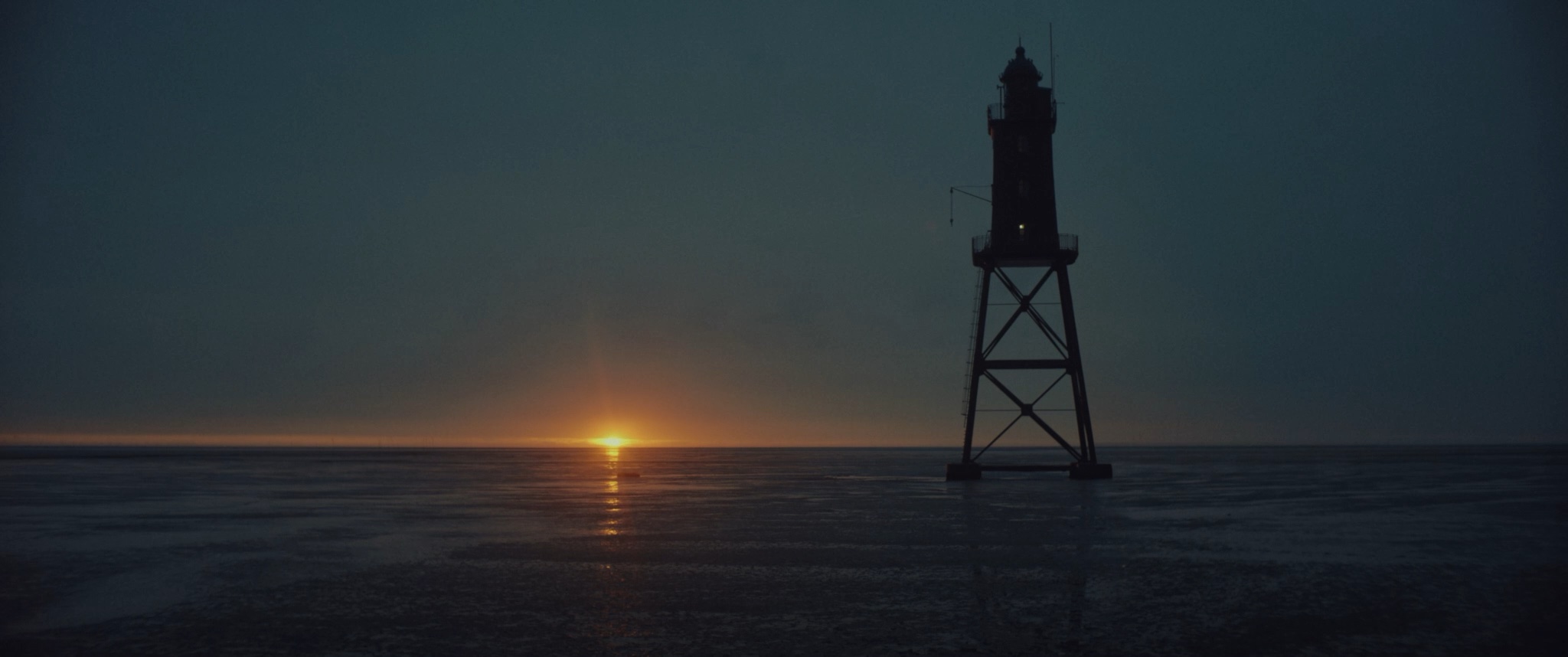
Evgenia Evtimova: There’s a strong contrast between tight spaces and vast openness. Was that something implied in the script, or something that emerged when you saw the location?
Philipp Rode: It was there in the script from the beginning, but more as a thematic layer, about the loneliness of the lighthouse keeper. Once we saw the location, we really fell in love with the shape of the lighthouse. Inside, the space was indeed extremely tight, but we didn’t anticipate just how much openness we would get outside. We thought there would be more grass, but we didn’t realise how far we could go with the tide.
Evgenia Evtimova: Speaking of tight spaces, it was probably hard to move around with the crew inside. How did you navigate that?
Philipp Rode: Let’s just say the actors had to go to the toilet the way old people do, I won’t go into too much detail, but you get the idea. Honestly, I’m really thankful for the crew. They broke their backs climbing up and down that lighthouse, especially with those long shooting hours. The last shot of the film was taken in mid-summer, with the tide coming in slowly and this beautiful sky, it was worth every bit of the struggle.
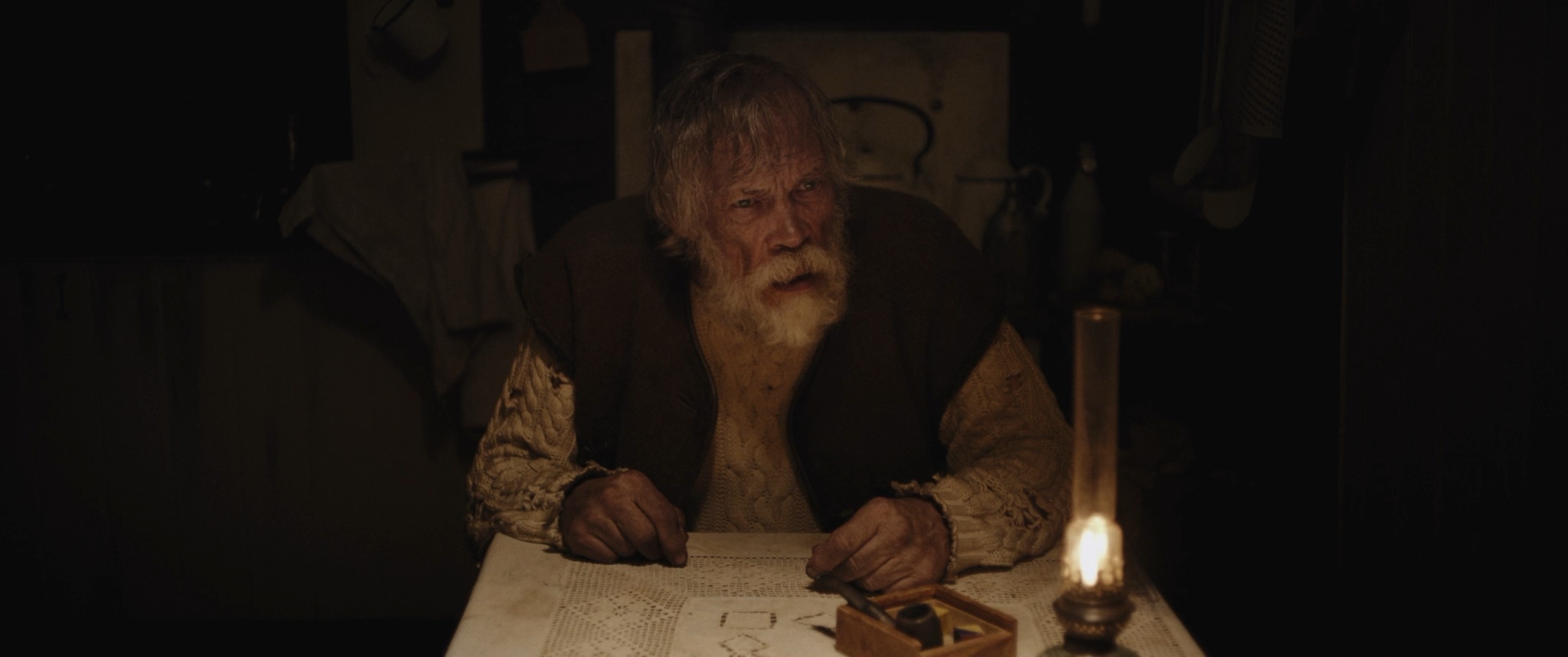
Evgenia Evtimova: On that note, did you leave the sky to have its own light, or did you add any lighting to the scene?
Philipp Rode: For the final shot, since it was quite close to the lighthouse, we initially tried to light it from there. But the sky turned out so beautiful, and since we were shooting on the Sony Venice, which has dual ISO, we had the flexibility to keep the lighting natural.
Evgenia Evtimova: I would’ve thought that shooting in such tight spaces would require a smaller camera, Sony Venice is a bit bulky, isn’t it?
Philipp Rode: Yes, but Sony Venice has an extension module that reduces its size to something like an FX3. The main reason we chose it was its sensitivity, it worked well both inside the cramped lighthouse and out in the wide-open landscape.
Interviewer: Evgenia Evtimova
Editor: Martin Kudlac
Evgenia Evtimova’s Take
Set in the windswept tidal flat of a beautiful lighthouse in northern Germany, Beyond the Sea is a 21-minute atmospheric drama directed by Jona Schloßer and shot by Philipp Rode. The film follows Otto, an aging lighthouse keeper whose solitary routine is disrupted when he discovers a young man lying unconscious on the muddy shore. Subtle in narrative yet rich in visual symbolism, the film navigates themes of isolation, human fragility, and the overwhelming presence of nature.
The film’s most striking feature is its use of space, both literal and metaphorical. Rode’s cinematography contrasts the open landscapes of the tidal vastness with the confined, nearly claustrophobic interiors of the lighthouse. The use of a Sony Venice camera with an extension system allowed the team to navigate these physical limitations while retaining high dynamic range and sensitivity, especially in low-light conditions. In particular, natural light plays a central role. The final sequence, shot during the magic hour as the tide slowly returns, is lit almost entirely by the ambient glow of the sky, a choice that emphasizes the raw, elemental tone of the film. The decision to preserve this lighting, thanks to the camera’s dual ISO, elevates the realism without compromising the film’s haunting atmosphere.
The spatial tension between inside and outside is further accentuated through precise lighting and framing. Keyhole views and circular windows become metaphoric portals, limiting the character’s perception and reinforcing the sense of entrapment. These controlled lighting scenarios add a psychological layer to the narrative, suggesting surveillance, memory, or even guilt. Visuals were often enhanced through VFX, a rare but effective choice for a student film, made possible through collaboration with a partner VFX academy.
Narratively, the film remains understated, relying more on mood and mise-en-scène than on dialogue or exposition. The pacing is deliberate, almost meditative, echoing the rhythm of tides and the repetition of Otto’s daily tasks. This minimalism is mirrored in the performances, which are largely silent and physically restrained, allowing the visual language to carry emotional weight.
Technically ambitious for its scale, Beyond the Sea stands out for its disciplined visual design and thoughtful integration of natural environments into storytelling. It speaks to the broader trend in European student cinema of embracing location-based storytelling and hybrid workflows between departments. With its high production value, bold lensing decisions, and confident visual language, the film would find its place comfortably in cinematography-focused showcases or environmentally themed short film sections.


