


COLLECTABLE STORIES: BABY BLUES

BABY BLUES
Short Talk with Sophie Lynch (director) and Alannah McQuaid (director)
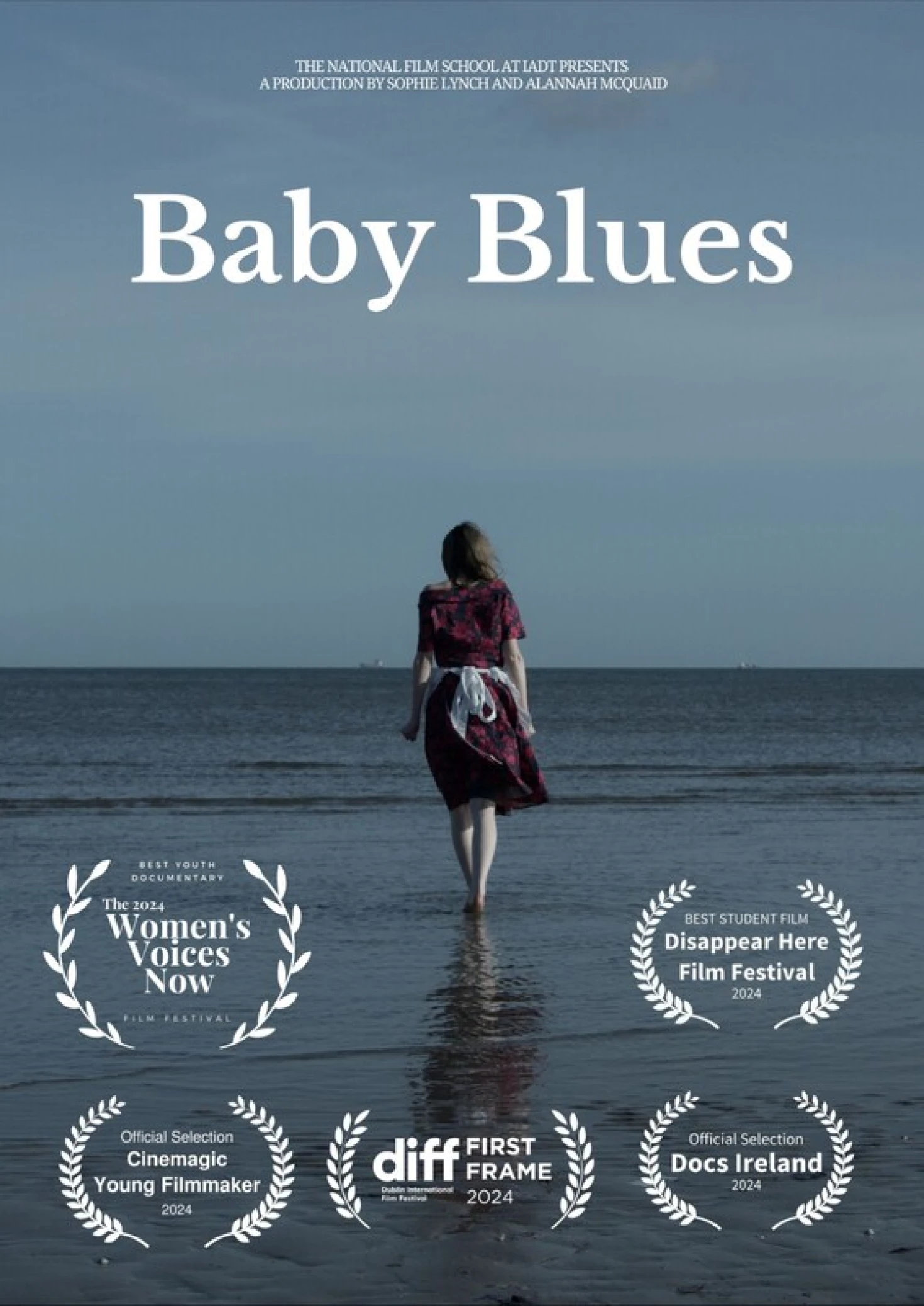
BEST SHORT STUDENT DOCUMENTARY FILM Category
22nd IN THE PALACE International Short Film Festival 2025
Ireland, Documentary, 00:08:02, 2024
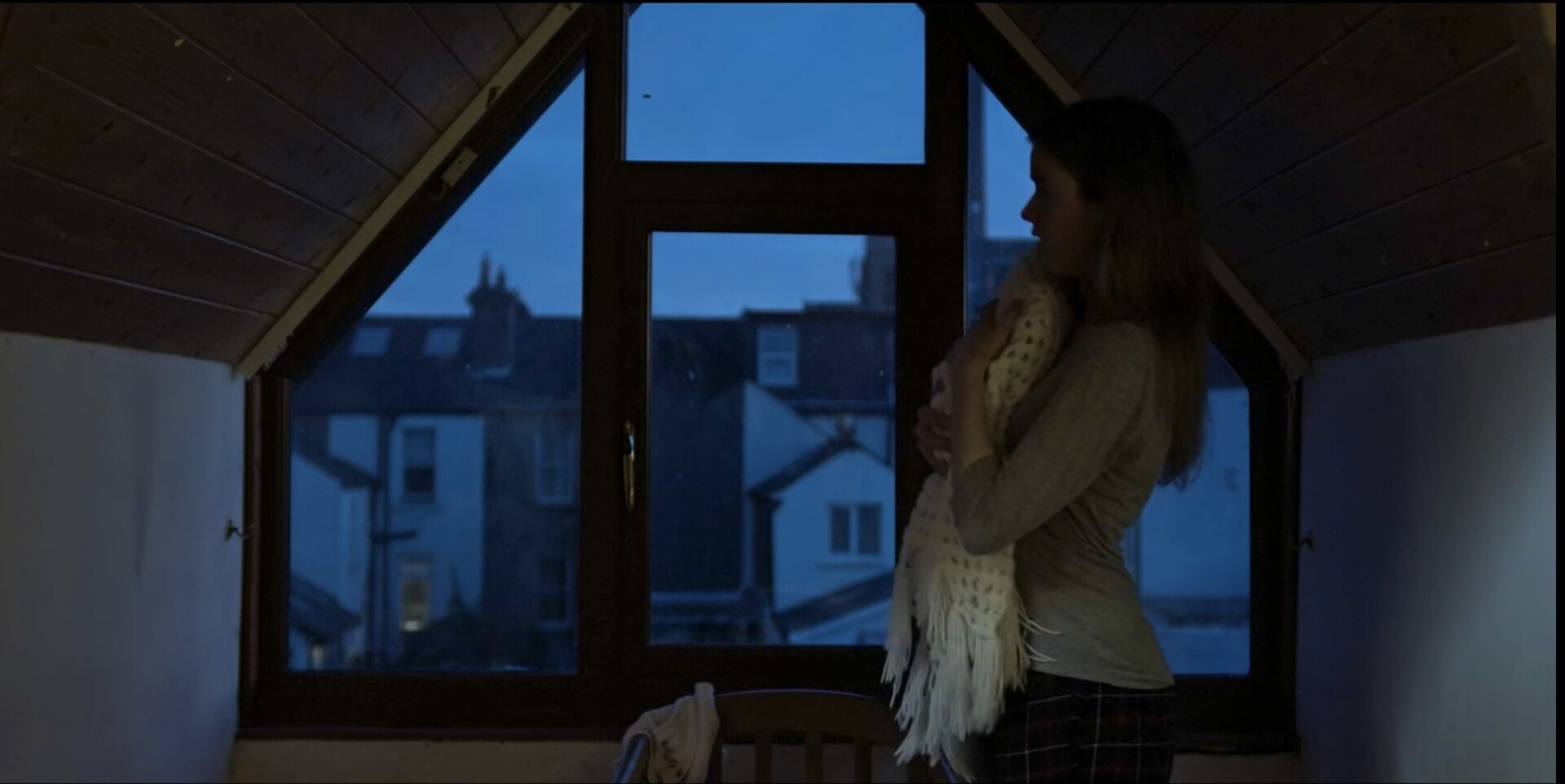
Synopsis: Baby Blues follows Elena, a mother silently battling postnatal depression, shedding light on this widespread but often silent issue affecting almost 1 in 5 mothers in Ireland. The documentary offers hope and guidance, emphasising the importance of breaking the silence. It explores the emotional realities of the condition and motherhood in a broader sense, highlighting Elena’s resilience and the power of community, offering inspiration to those facing similar challenges.
Biography 1: Alannah is an Irish director/producer who has produced several short Independent films and documentaries, as well as working funded projects by the Arts Council. Alannah believes in creating visually engaging stories, with boundary pushing narratives.
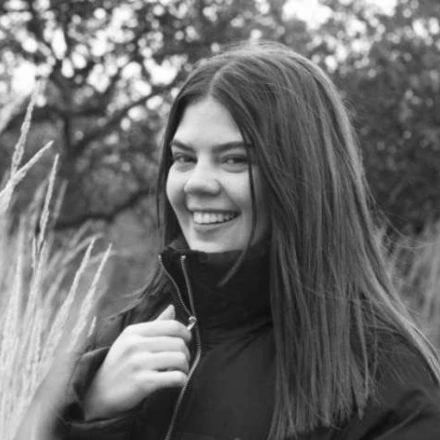 Alannah McQuaid, director
Biography 2: Sophie is an Irish director/producer who has worked with numerous production companies on films funded by the likes of Screen Ireland and The Pitch Fund UK, which have been screened at festivals worldwide. Her interests lie in coming-of-age films, with a new interest in documentaries that focus on human connection.
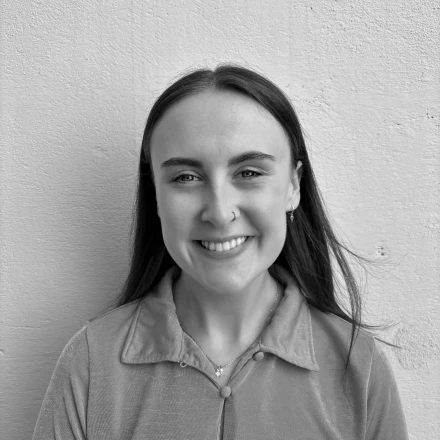 Sophie Lynch, director
Raya Hristova: You had previously worked in the sound department and production. Is this your first film as directors, or have you received other directing awards before?
Sophie Lynch: No, this is our first film directing. We’ve both worked as producers separately, but this was the first time we came together and helped each other direct.
Raya Hristova: How was directing different from the work you’d done before?
Alannah McQuadi: I think it was definitely challenging. It helped a lot that the two of us worked together because we were kind of out of our depth, since we hadn’t directed before. But we could use each other’s strengths and bounce ideas off each other.
Lynch: Yeah. I think I’m glad it was a documentary. We have experience in both fiction and documentary, but it was nice to take things slow, work at our own pace, and explore the story together. We could rely on each other for the parts we weren’t as confident in.
Raya Hristova: How did you find the woman the film is about?
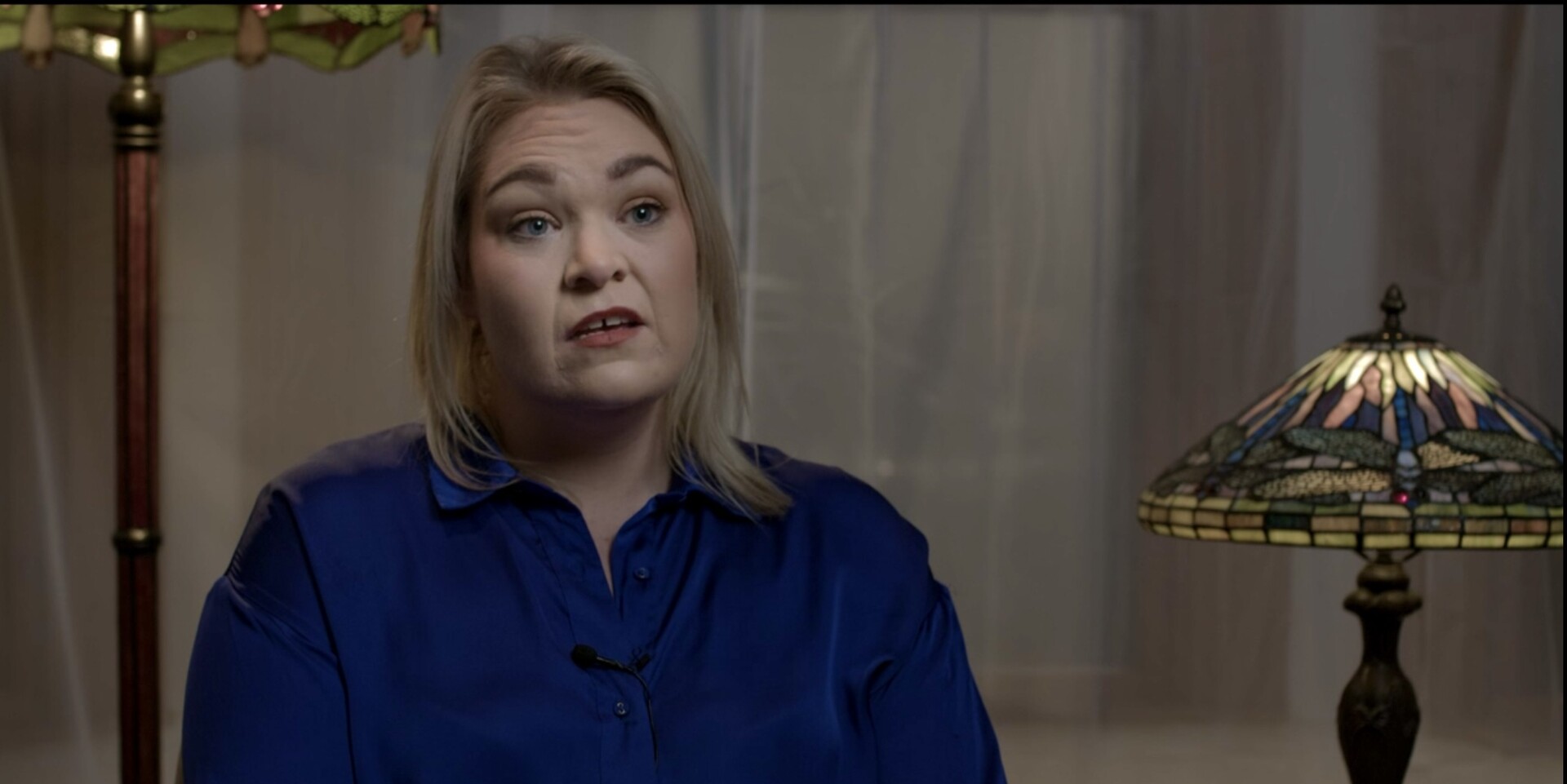
McQuaid: I actually found her on Facebook, which is kind of interesting. She had written an article about postnatal depression a few years ago, and I’d read it. Her story was so beautiful and so well articulated, so I reached out to her. She was interested in doing the film and ended up being brilliant in person. I think we all thought she was amazing at expressing herself, especially considering she doesn’t usually do public speaking. That surprised us. It was definitely a challenge finding someone, because the main issue is that people don’t want to talk about it, even if they’ve experienced it.
Lynch: I think that’s why she was so eager to help us. She found that talking about it had really helped her through it, so she was enthusiastic about working with us and sharing that message.
Raya Hristova: It’s a heavy and emotional topic. How did you approach the interview to create a space for her to open up?
Lynch: Alana led most of the questions, but we had done a pre-interview, so we already knew her story and what she wanted to talk about. Even so, sitting down for the actual interview was very emotional. She was just naturally a very open person. And like we said, she really wanted to share her story, so that made it possible.
McQuaid: Our crew were mainly people in their twenties and none us have kids, so we don´t have experience with the issue. It was amazing how open she was in front of us.
Raya Hristova: There are stylized fragments in the film, scenes with a table and a beach, with objects falling off. What was the idea behind that?
McQuaid: We wanted to add a visual, something slightly experimental, to talk how women feel they need to be the perfect wife and the perfect mother. That´s why we set it in the 1950s. As things fall off the table, it represents everything slipping away. The beach setting was about metaphor too, the waves coming in, the feeling of drowning in emotion. But filming there wasn’t easy.
Raya Hristova: Why not?
Lynch: Well, it’s hard to film on a beach, especially with a small crew. We didn’t plan well for the tides.
McQuaid: We had to keep moving the table to keep up with the water.
Raya Hristova: Have you had any other issues?
Lynch: I think, creatively, the edit was probably the biggest struggle. Like with all documentaries, we didn’t have that much experience, and editing is just so different. The story really comes together in the edit. So it took a while, we spent a good amount of time on it, but we eventually found the story. Piecing together all the puzzle pieces was the tricky part, but yeah, it worked out.
Interviewer: Raya Hristova
Editor: Martin Kudlac
Raya Hristova’s Take
Baby Blues is a visually poetic short documentary by Sophie Lynch and Alannah McQuaid. It is a film that sensitively explores the lived experience of postnatal depression through the eyes of one woman. Though both directors come from production and sound backgrounds, their first foray into directing feels assured, thoughtful, and emotionally resonant.
The heart of the film is a candid interview with a woman who bravely opens about her struggle with postnatal depression, a topic still surrounded by stigma and silence. Lynch and McQuaid discovered their subject through a Facebook article she had written years earlier, and what began as a distant connection grew into a powerful collaboration. Their subject, despite not being a public speaker, speaks with clarity, vulnerability, and strength. Her openness becomes the film’s emotional backbone.
What sets Baby Blues apart are its striking stylized scenes, woven through the interview footage. One sequence features a table set in 1950s domestic style, objects slowly toppling off as waves crash in the background. These visual metaphors powerfully evoke the pressure many women feel to be perfect mothers and wives. As the carefully arranged setting unravels, the symbolism is clear: beneath the surface of calm, everything is at risk of slipping away. The beach setting amplifies this sense of emotional overwhelm, conjuring the quiet pull of exhaustion, loss, and solitude.
Baby Blues is not a loud or flashy film. It doesn’t seek to dramatize or sensationalize its subject. Instead, it listens. It creates space. It allows a woman’s voice to be not only heard but felt. For a first film, it is impressively mature in both craft and intention.


