


COLLECTABLE STORIES: ANOTHER MANIAC

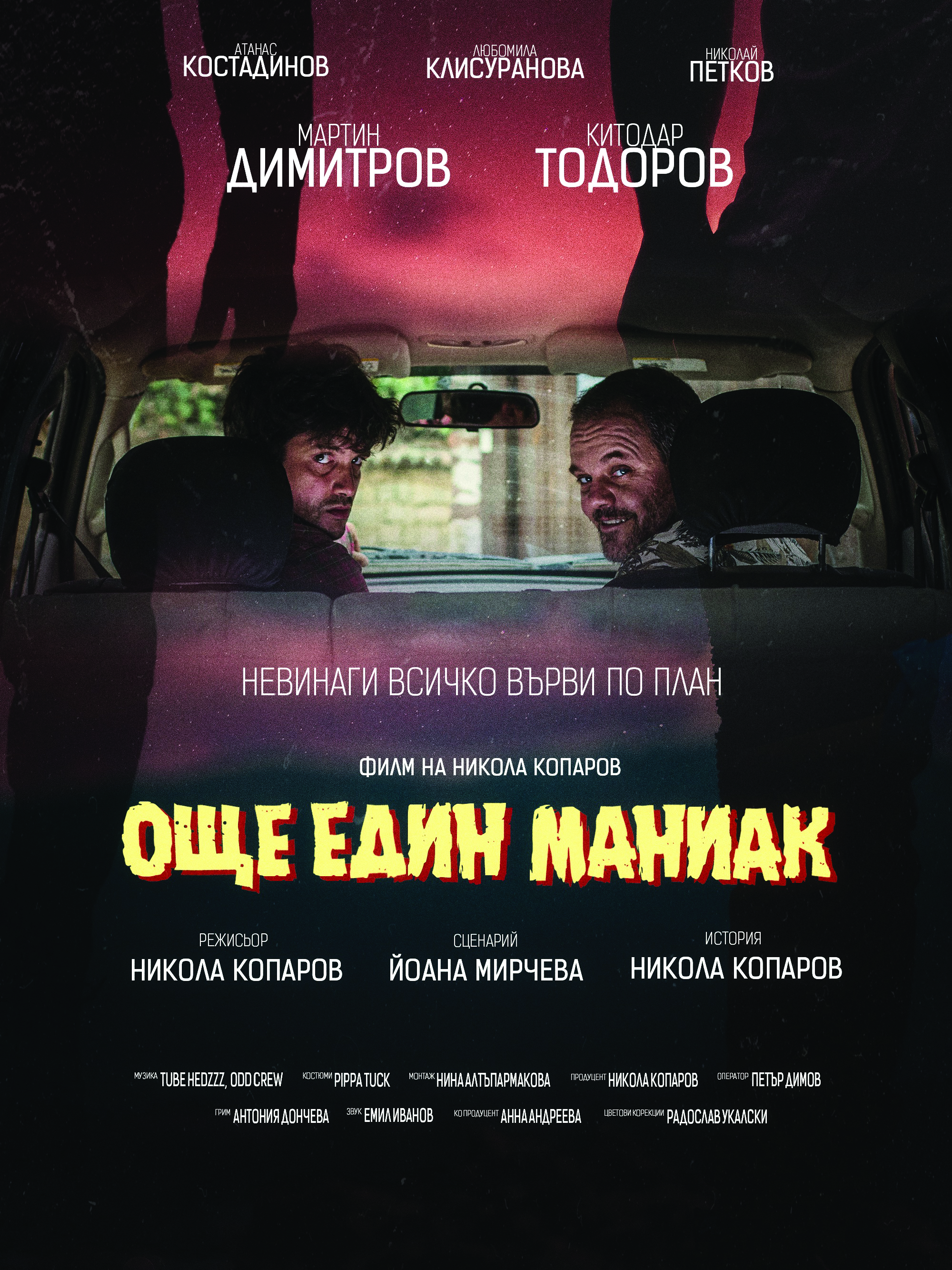
ANOTHER MANIAC
Short Talk with Nikola Koparov (director) and Kitodar Todorov (actor)
BEST SHORT FICTION category
22nd IN THE PALACE International Short Film Festival 2025
Bulgaria, Fiction, Bulgarian, 00:21:57, 2025
Synopsis: Yavor (Martin Dimitrov) and his mysterious accomplice (Kitodar Todorov) face the consequences of their criminal act. In search of revenge, the two take the life of Ivan (Atanas Kostadinov), who caused the death of a 6-year-old child in an car accident. Unknowingly, on the path of his "universal justice", Yavor also commits a fatal crime against a child.
Biography: Nikola Koparov was born in Sofia in 1983. He graduated from the Department of Film Directing at the New Bulgarian University in the class of Prof. Georgi Dyulgerov. His professional career began in 2012, when he began writing scripts and directing music videos and ads. His directorial debut in feature films was the short film "Another Maniac".
 Nikola Koparov, director
Evgenia Evtimova: This film is very heavy on metaphors and symbolisms to unpack. I wanted to start off with a quote that is actually at the end of the film, “You cannot create something new without destroying something else.” Was that the quote that drove the story and was the soul of the film?
Nikola Koparov: I guess so. I can’t really talk about what the film is about, I don’t see it as my place. What I can say is that I had an amazing time. I love Kito (Kitodar).
Kitodar Todorov: But we don’t love Martin [Dimitrov], the other actor. That’s why the story went this way. Originally, the film was about a friendship. But we changed it, because we hate Martin and we wanted to make him suffer.
Koparov: Exactly my words, actually, Kito’s character doesn’t even exist in the film.
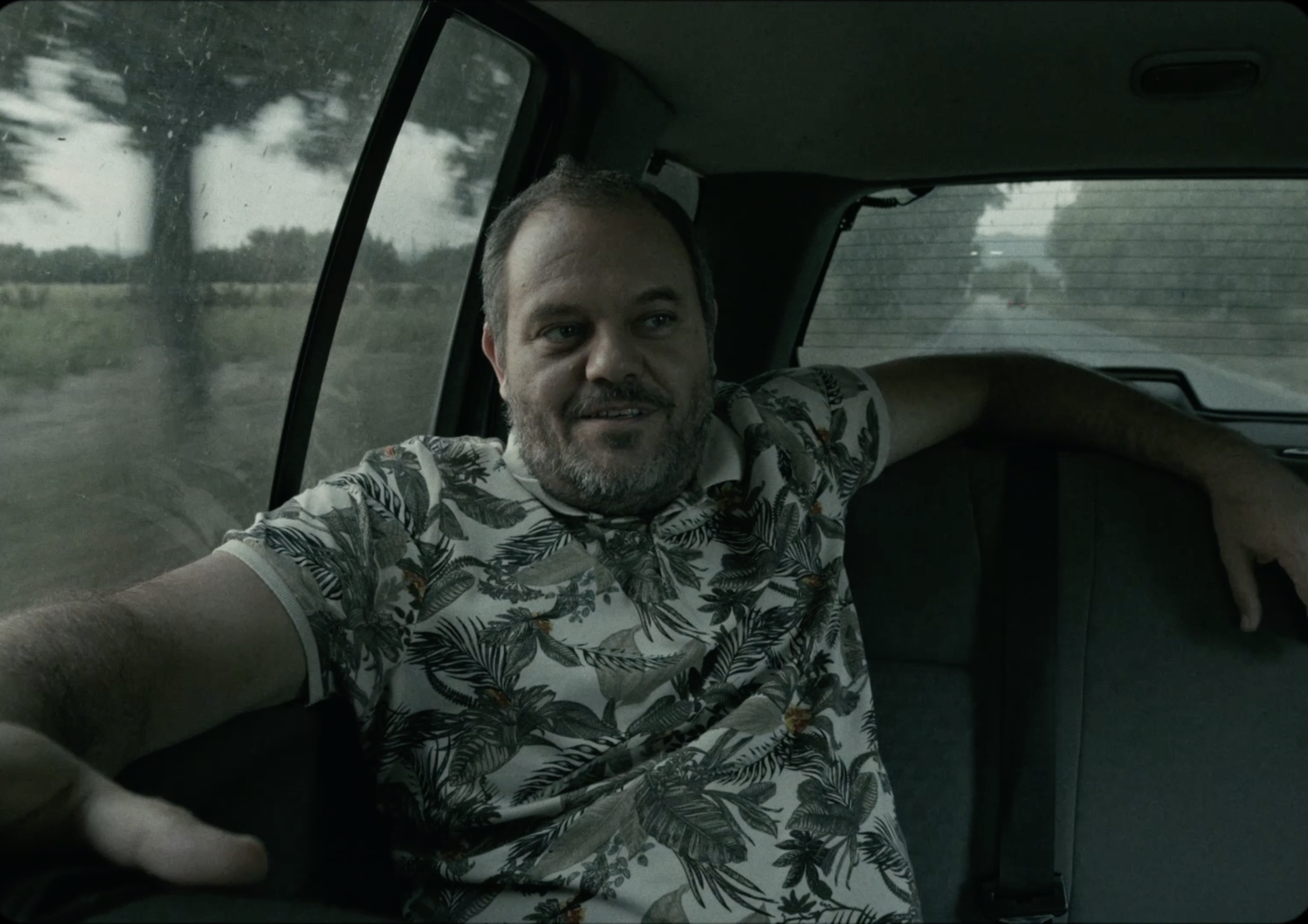
Evgenia Evtimova: On that note, your voice in this film is a voice I do not want to have in my head. How did you manage to achieve this? Did you do some research beforehand, or talk to people who have experienced schizophrenia?
Koparov: That’s just him.
Todorov: Quite sad, but probably true. It’s just me.
Koparov: When I came up with the idea and met with him, we talked about the character, and eventually he came to the conclusion: “That’s me, I am that character.”
Todorov: But honestly, I think this is everyone. Everyone has good and bad sides. Except Martin, he only has a bad side. Jokes aside, every person has both, and it’s up to them to choose which one to shine. In that train of thought, I think the film is about choice, a choice we all have, between good and bad. In that case, my character gives ideas to Martin’s character, but what matters is the person who makes the choice. He is the one who carries the responsibility.
Koparov: Kito was like the annoying call from the dark side.
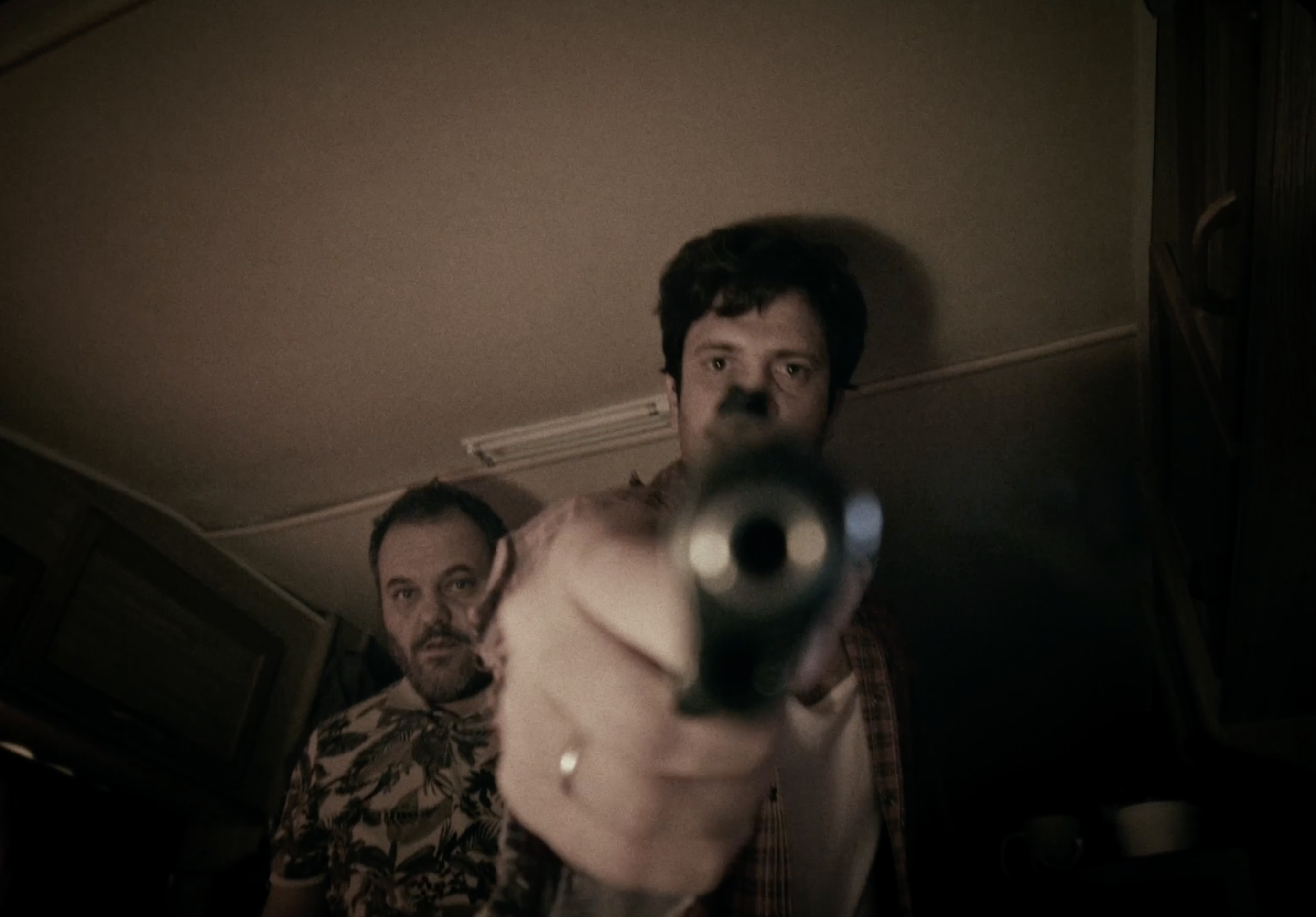
Evgenia Evtimova: There’s a scene where both characters have a very well-choreographed dialogue. Was that something scripted, or did it develop naturally on set?
Todorov: There was a script, but I have a problem with my memory, so I always use the script as a guide to improvisation. Otherwise, everything is doomed. If the director tells me to stick strictly to the lines, for me, it’s the end. So there was an idea of how the scene should look, and from there it was just trial and error.
Koparov: We were following the moment. Our process was to get the initial idea and just play and roll with it.
Interviewer: Evgenia Evtimova
Editor: Martin Kudlac
Evgenia Evtimova’s Take
Tense, erratic, and dissociating, Another Maniac dives deep into the schizophrenic mind, unraveling moral ambiguity through hallucinatory storytelling and disarming black comedy. Structured in four chapters, ME, YOU, HIM, WE, the film follows a protagonist haunted by a voice that both guides and derails him, a voice played with unnerving precision by veteran actor Kitodar Todorov.
Though rooted in psychological themes, director Nikola Koparov resists explaining the film's meaning. The story unspools as a series of symbol-laden set pieces, constantly shifting between warm sepia tones, icy blues, and stark black and white, reflecting the protagonist’s destabilizing grip on reality. At its core is the idea of duality: good and bad coexisting within us, with each person responsible for choosing which side to act upon. This inner dialogue, externalized through Todorov’s character, never physically interacts with the world, only manipulates from the edges, overshadowing the schizophrenic tendencies of the main character. It's a subtle yet powerful metaphor for self-destruction and moral surrender.
Todorov delivers a performance that is both magnetic and unsettling, embodying an inner voice that could drive anyone to misconduct. His portrayal feels less like a role than an extension of self, lending the film a raw and eerie authenticity. The dynamic between actor and director is palpable, the film’s scenes were loosely scripted but left space for improvisation, allowing the emotional rhythm to guide each take.
Another Maniac flirts with psychological horror but lands in the territory of moral parable. The choreography of certain scenes, particularly the echoing dialogue between the protagonist and his hallucination, evokes both theatrical precision and spontaneous collapse. One standout moment, a post-murder adrenaline montage, mimics the disjointed, accelerated state of a psyche in freefall. It’s not only a narrative beat but an embodied experience.
The visual language underscores the fragmentation of identity and perception. Subtle formal choices, a shift in film borders, washed-out color grading, long takes, mirror the breakdown of reality itself. The film’s closing line, “You cannot create something new without destroying something else,” offers a chilling summary of the protagonist’s arc, and perhaps the film’s central idea: transformation always comes at a cost.
Another Maniac resists easy interpretation. It's volatile, provocative, and, above all, committed to its descent into the interior. Rather than depicting schizophrenia from the outside, it stages it from within, blurring the boundary between character and delusion, filmmaker and film.


