


COLLECTABLE STORIES: ANGELA

ANGELA
Short Talk with Brendan Cleaves (director)
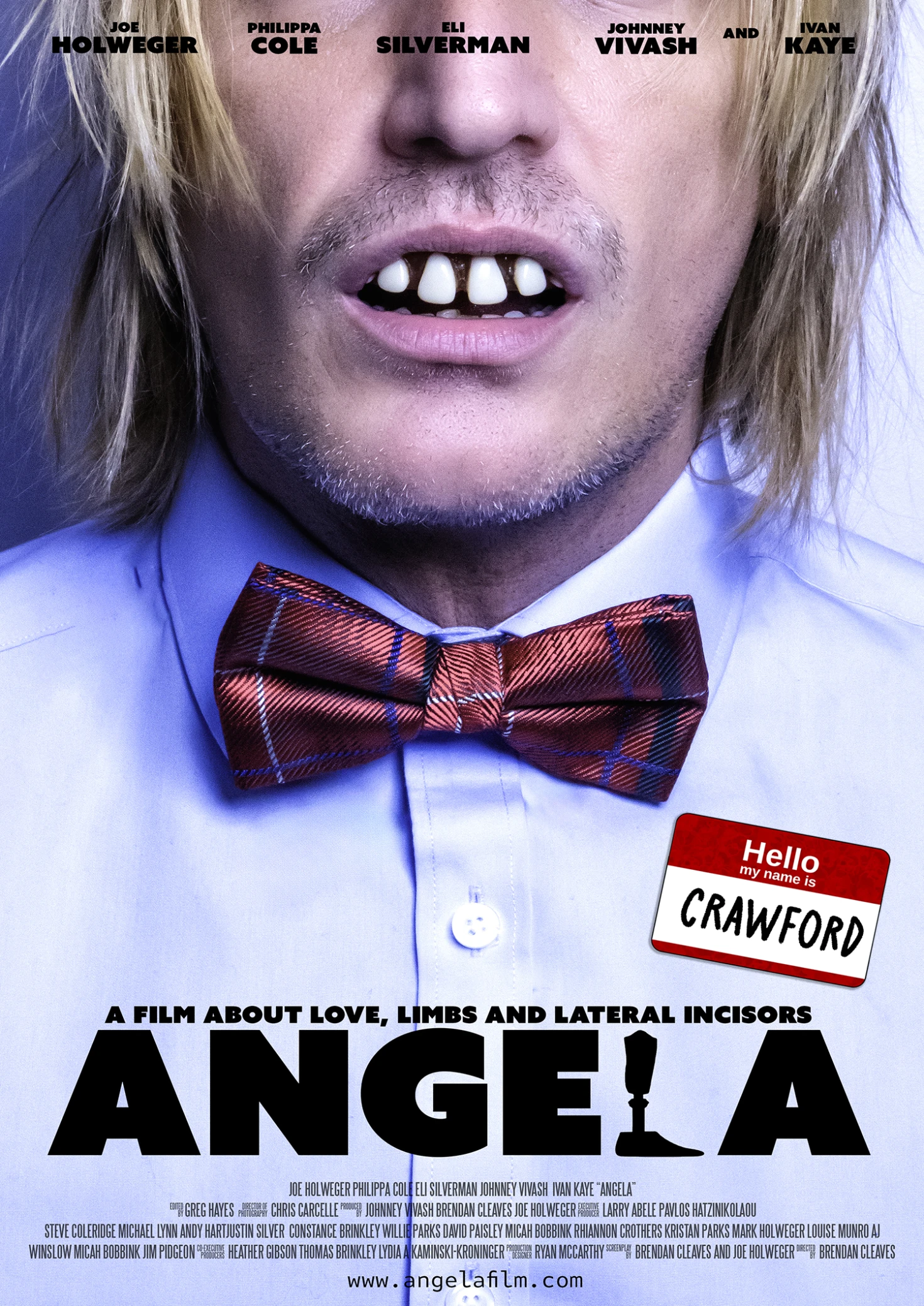
BEST SHORT FICTION FILM Category
22nd IN THE PALACE International Short Film Festival 2025
United Kingdom, Fiction, 14:58, 2024
Synopsis: "Angela" is a comedy about Crawford, an awkward singleton, and Angela, who hides her insecurities behind her humor, as they navigate a disastrous first date at a pub. Between misunderstood jokes, an emergency phone call, and the intervention of friends, the date seems doomed. However, when Angela's prosthetic leg becomes a point of vulnerability, Crawford's genuine kindness shines through. Their evening reveals that beneath the awkwardness and faux pas of dating, there's a possibility for connection and understanding.
Biography: Starting as a music video director in Camden, Brendan earned a UK Music Video Award nomination early in his career. Transitioning to directing music videos and commercials, he gained recognition for his dynamic style. His short film Roger, starring John Bradley (Game of Thrones) and Seann Walsh, marked a breakthrough. He has since directed nine more shorts and a documentary, featured at over 100 prestigious festivals, earning Méliès d’Argent nominations. In 2024, two scripts were optioned by Rocket Soul and About It Films.
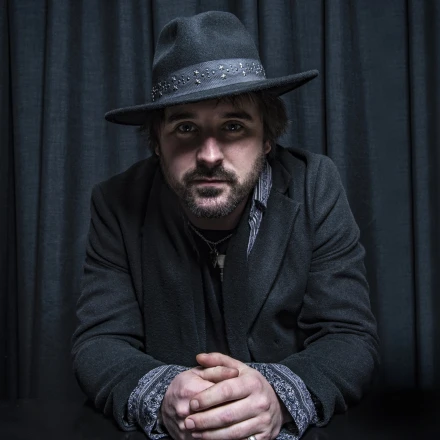
Brendan Cleaves, director
Toma Manov: Brendan, the very first thing that catches the viewer’s eye in Angela is Crawford’s teeth. Was that a stylistic choice, or is there something deeper behind it, or is it just there for pure comedy?
Brendan Cleaves: The character Crawford, played by Joe Holweger, is actually something he’s been doing for a while. I met Joe at a film festival, and he started doing this Crawford character. So, the character existed before the film, it had a life of its own already. When we decided to develop the story, we kind of centered it around the teeth because it was the obvious focal point. The film evolved from there.
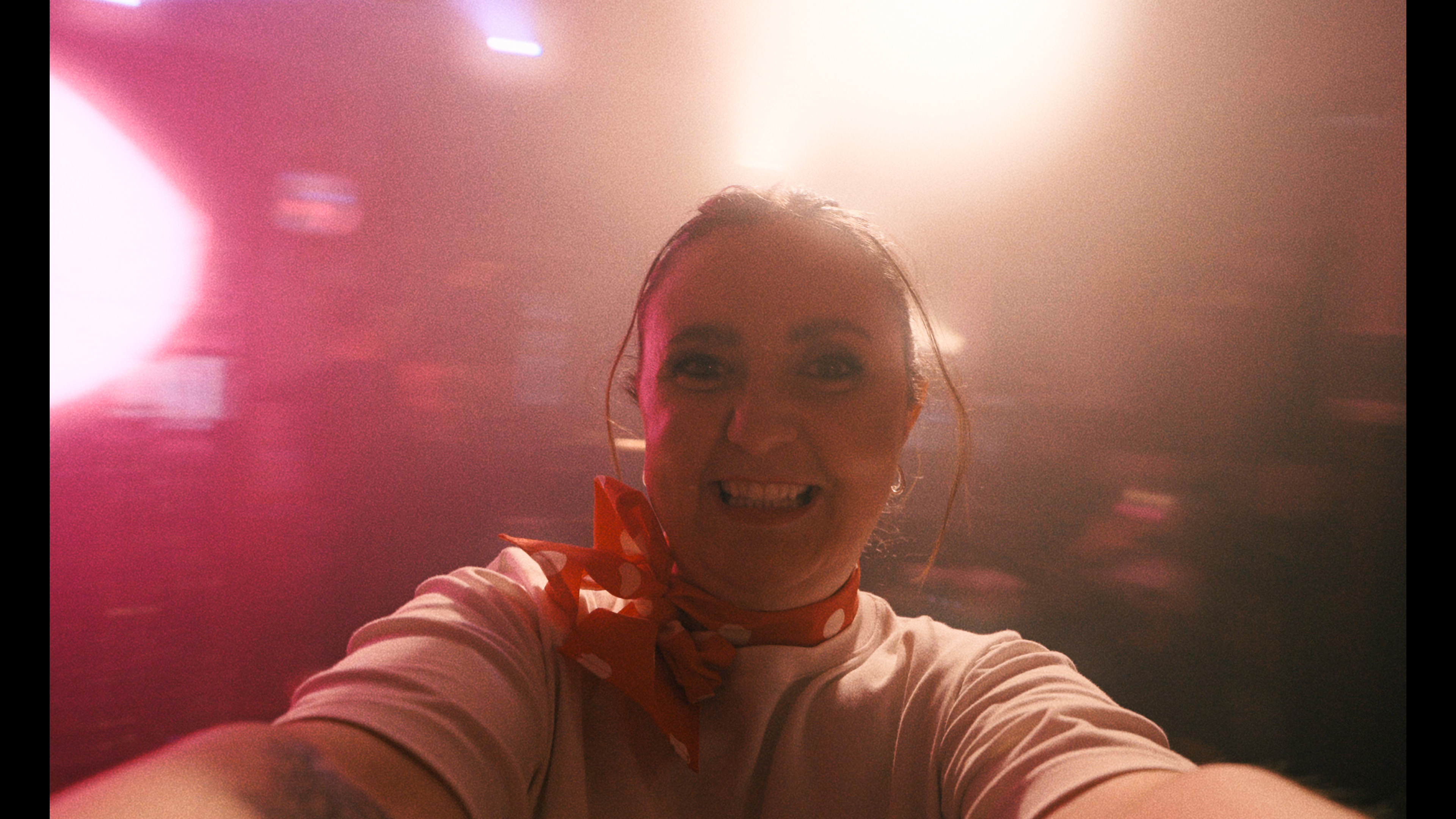
Toma Manov: The film, while comedic, has a very humane quality. We see real emotional connections form, in both the pub and, quite unexpectedly, in the restrooms. Could you talk about your choice to divide the film spatially between those two environments?
Brendan Cleaves: Yeah, I think toilets or restrooms are places where people chat about things they might not say in public. That was kind of the idea. We wanted to create a contrast, you can maybe be more yourself when you're away from the main social space. But at the same time, there’s no completely escaping the public either. It’s like a behind-the-scenes versus front-of-house dynamic. That’s what we were trying to do with that structure.
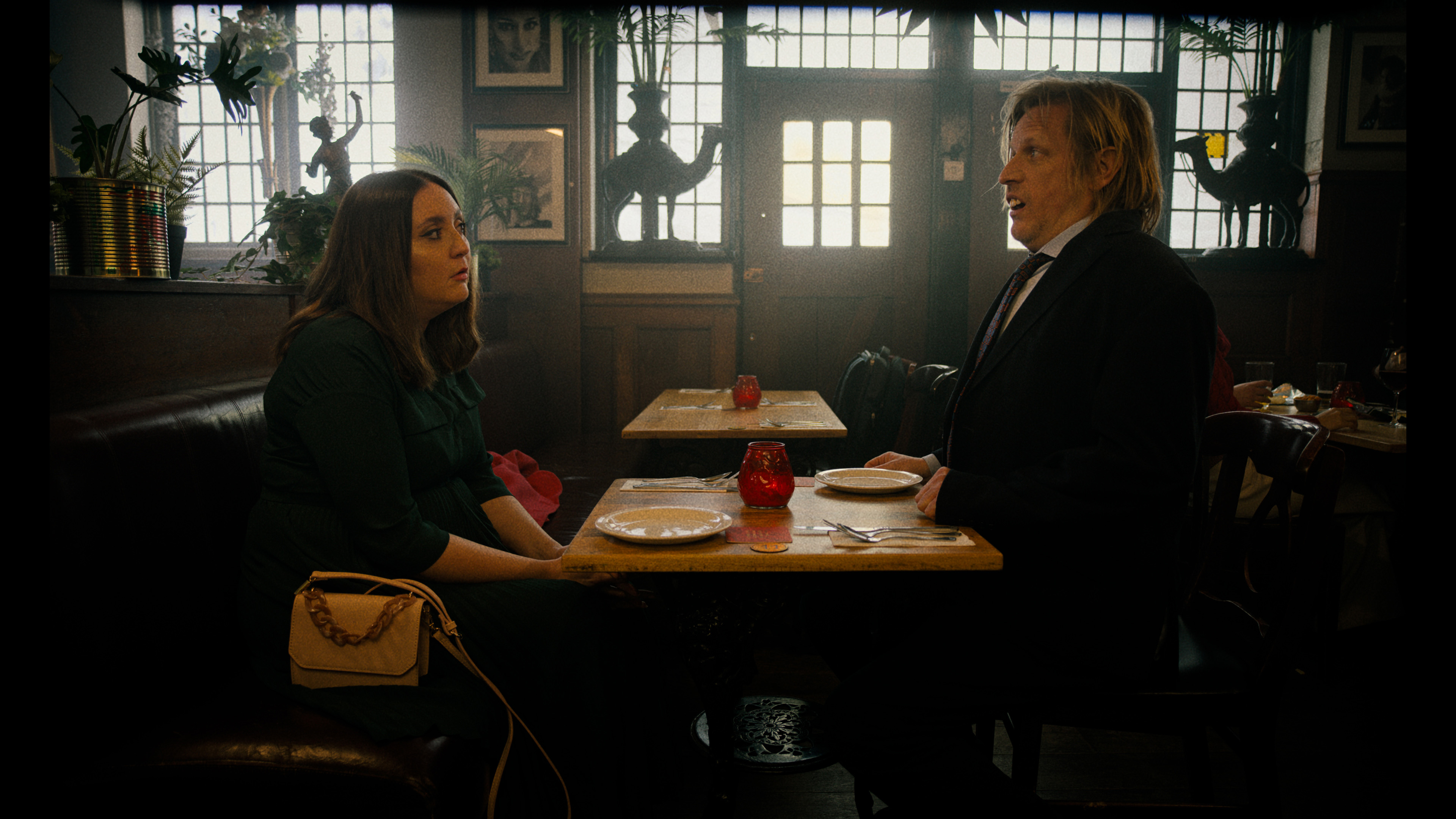
Toma Manov: Early in the film, we don’t know about Angela’s prosthetic leg. At the same time, Crawford tries to avoid smiling to hide his teeth. Do you see this as a commentary on insecurities, how people try to mask what they think makes them unlovable?
Brendan Cleaves: Yeah, that’s essentially what the film is about. Some insecurities, like Crawford’s teeth, are obvious. Others, like Angela’s leg, are hidden. These are things people carry close, and if the date hadn’t gone wrong, Crawford might not have found out about the leg at all. When people go on a date, there's always something they’re self-conscious about—whether it's your teeth, a limp, or something else. Some things you can hide, some you can’t. That’s what we were trying to explore. Every character in the film has something they’re insecure about. Even Ivan Kaye’s character, who comes across as very confident, still has his own insecurities. That was important to show too. We actually had more material with the other characters, but we had to cut it due to runtime. Still, the theme is there for everyone: how we deal with insecurity, and whether we let it define us or not. Angela tries to hide her leg, and Crawford tries to hide his teeth, but honestly, Crawford wouldn’t care about her leg. Why would he? I don’t think anyone would. But insecurities feel huge when you're the one carrying them. That’s what makes them so personal, and sometimes irrational, but very real to the people experiencing them.
Interviewer: Toma Manov
Editor: Martin Kudlac


