


COLLECTABLE STORIES: ANEMOS

ANEMOS
Short Talk with Caterina Savadori (director)
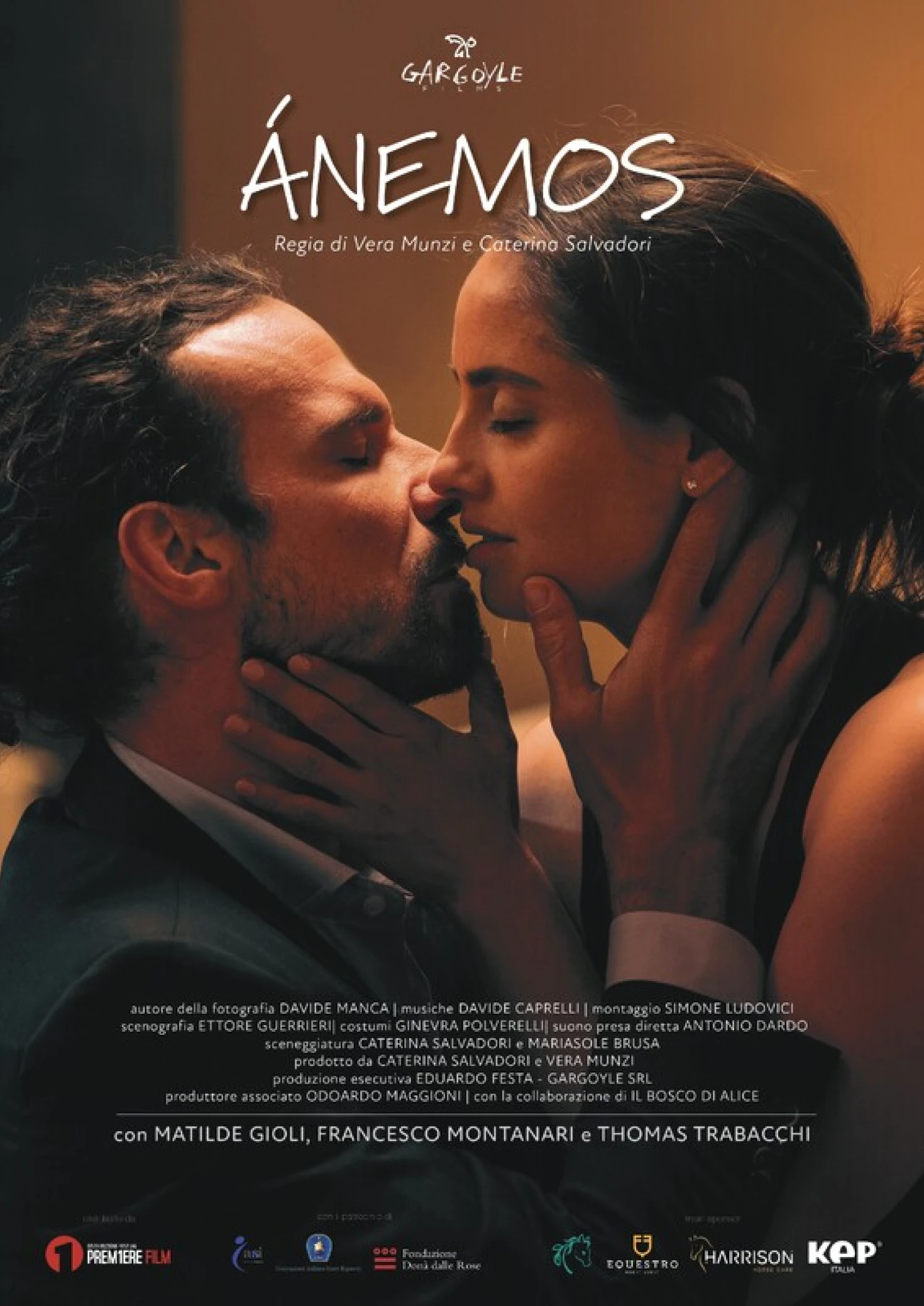
BEST SHORT FICTION FILM Category
22nd IN THE PALACE International Short Film Festival 2025
Italy, Fiction, 00:19:45, 2024
Synopsis: Anna, a singer, moves to the countryside with her jealous, manipulative boyfriend Pietro after a professional setback. She works at a riding school, training a dangerous horse named Ánemos. Despite injuries, she perseveres and saves the horse. Through their bond, Anna regains her voice and sense of self. Her music soothes Ánemos, reflecting her emotions. This journey helps her break free from Pietro and reclaim her independence.
Biography: Vera Munzi (b. 1994, Feltre) is a psychology and music therapy graduate. Influenced by her filmmaker father, she directs dance and music videos. In 2019, she co-directed Fogli di Carta, a short film on sexual abuse that won Best Subject at Tulipani di Seta Nera and screened at Venice Film Festival.
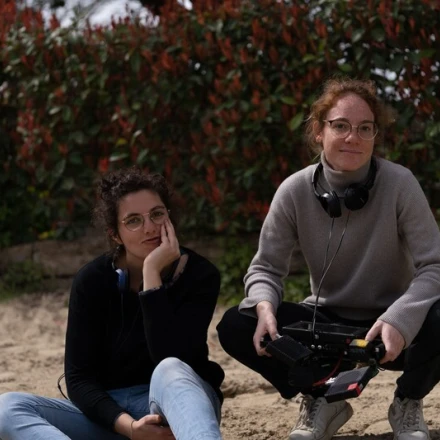
Vera Munzi, Caterina Savadori, directors
Petar Penev: How difficult was it to film with an actual horse?
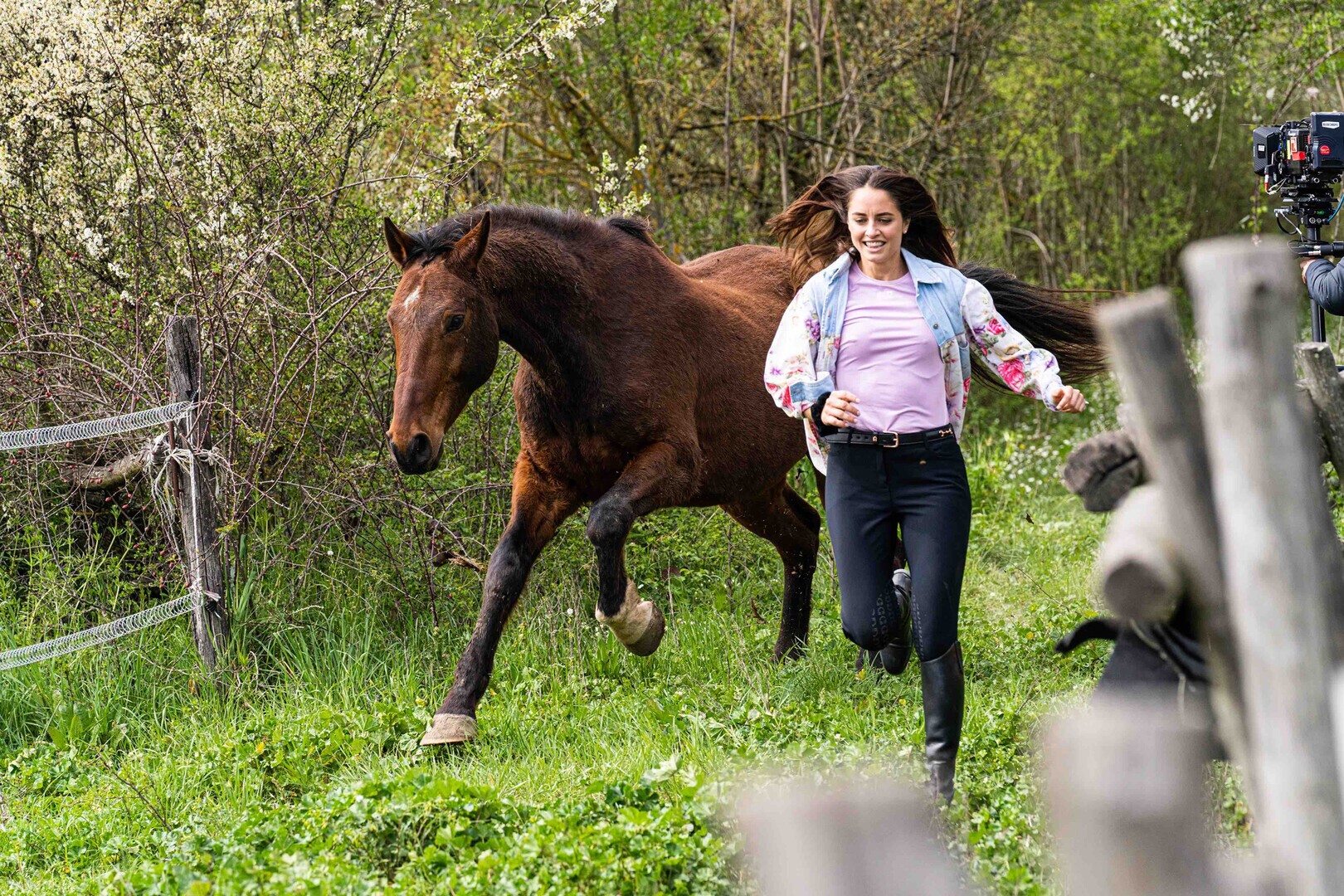
Caterina Savadori: It was very, very difficult. Actually, there are two directors. I co-directed the film with Vera Munzi, who is not here, but she’s very familiar with horses. She has worked with horses for a long time. Also, the story is based on a real woman who works with horses, and we worked with her as well, which was very helpful. But on set, of course, the horses were leading us—we were following what they wanted to do. So yes, it was challenging.
Petar Penev: Since the film is inspired by a true story, how did you discover it?
Caterina Savadori: We got in touch with this woman who lives in Rome. Vera works with horses, and she discovered the story. We went to the stable and spoke with the woman. We were really struck by the power of her story. She also wanted to share it, it was important to her to raise awareness about gender-based violence. The film focuses not just on violence itself, but on the patterns of violence. So we felt it was important to share her experience in a way that could empower other women.
Petar Penev: The role of the main character felt incredibly demanding, not only emotionally nuanced, but physically involved, with scenes that include singing. How did you go about casting her?
Caterina Savadori: We worked with Matilde Giolie, who has a real passion for horses and experience working with them. That was one of the reasons we wanted to cast her. We had a long preparation process. She came with us many times to the stables and developed a real relationship not only with the horse but also with the woman the story is based on. So she was able to embody the character. During the shoot, the horses would react to her and interact with her naturally.
Petar Penev: How much of the original story did you keep, and what did you choose to change?
Caterina Savadori: Of course, we wanted to make the story feel more universal, so that as many people as possible could relate to it. As I said, our goal was to show the psychological patterns of gender violence. We kept the core of the story, for example, the real woman was a singer, and she was in an abusive relationship. Through working with horses, she was able to empower herself and eventually free herself from that relationship. That’s all true. But since this is a twenty-minute short film, we had to condense everything. Still, we tried to keep the key elements and focus on the psychological aspects of gender violence.
Interviewer: Petar Penev
Editor: Martin Kudlac
Petar Penev’s Take
Anemos is a short film that weaves together emotional intensity, visual symbolism, and raw inner transformation co-directed by Verta Munzi and Caterina Savadori. Inspired by real experiences, the film avoids melodrama, staying grounded in human detail.
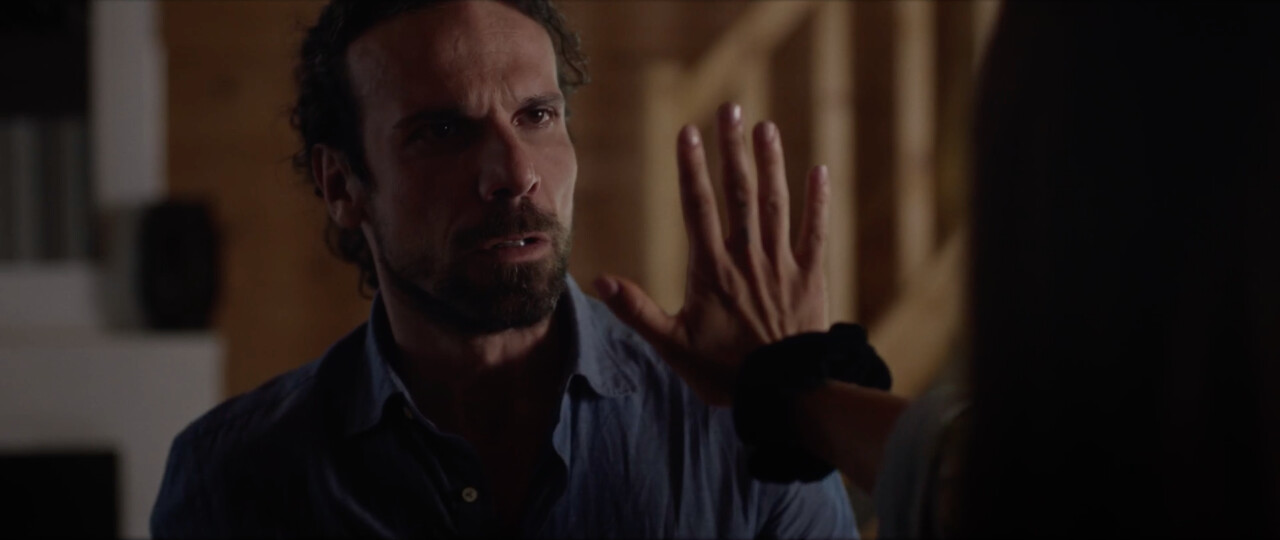
The film follows Anna (Matilde Gioli) as she attempts to reclaim herself from the suffocating dynamics of manipulation, jealousy, and emotional abuse. Anna retreats to the countryside with Pietro (Francesco Montanari) and begins working in a stable. Her bond with a troubled horse is the catalyst for her journey back to her voice, both literally as a singer and metaphorically as a person.
The horse as a symbol embodies volatility and freedom, but also a capacity for trust when met with care. Through this relationship, Anna begins to understand her own strength and the boundaries she must draw.
Munzi and Salvadori show commendable restraint. They don’t rush Anna’s internal fight. The film’s pacing allows the viewer to sense the internal pressure she is under via her voice, her breathing, the silences. The film is visually thoughtful, natural settings, light and shadow, the space of the countryside and the stable, all contribute to a sense of isolation but also potential rebirth. The performances are committed. The protagonist convincingly shifts from being closed off and oppressed to gradually more present and assertive. Pietro’s toxicity is suggested rather than spelled out, emerging through fleeting gestures and subtle control rather than familiar stereotypes.
What distinguishes Anemos is its ability to hold beauty and unease in the same frame. The film does not offer easy release, but invites reflection on what freedom means after prolonged emotional constraint. At the same time, it also offers a hopeful route that there is power in reclaiming voice, space, and breath.


